

What not to do, or how to avoid failure
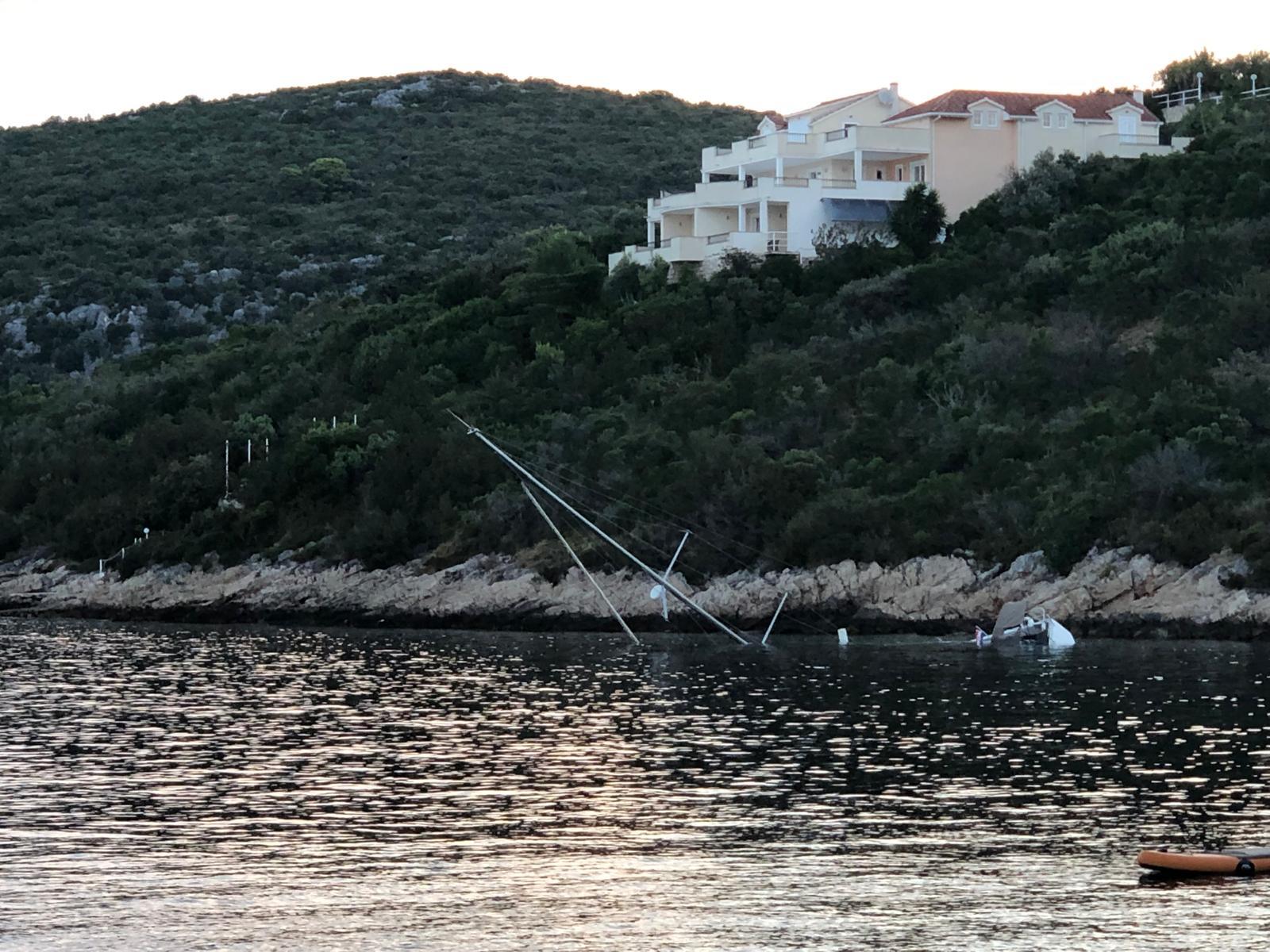
1. Inattention and fatigue: Always be alert
The sea wants all of you. Not just your body leaning on the helm, but your head too. One hundred percent focused. Overlooking a rock hidden just below the surface, not noticing a rope floating in the marina, or misreading a map – these are all small things that lead to big and expensive problems.
And then there is fatigue. The silent killer of all good judgment. Many captains, especially the more experienced ones, feel irreplaceable. They want to control everything, be involved in everything, and after a few days with minimal sleep, they become a ticking time bomb. A tired skipper is like a drunk driver – their ability to react correctly and quickly is close to zero. And as the well-known sailing rule says, problems tend to snowball. One small mistake due to fatigue triggers an avalanche that ends with a call for help. Do you really think you're Captain Nemo after three hours of sleep?
2. Careless or chaotic yacht management: Consistency pays off
"We're on vacation!" Sure, but the boat doesn't know that. Vacation mode is great in the cockpit with a book, but not at the helm. A carelessly discarded rope on deck is a direct invitation for your propeller. And believe me, untangling your own rope from the propeller is fun you want to miss.
Likewise, chaotic instructions, an unzoomed map in the plotter, or a sloppily moored boat are a recipe for disaster. Pay attention to steering the boat, watch your surroundings, and anticipate.
And now the most important thing: alcohol. A beer or a glass of wine with dinner in a safe bay is one thing. But drinking while sailing, and God forbid as a skipper, is gambling. Not only does alcohol dramatically reduce your abilities, but in the event of an accident, you're screwed. Insurance companies exclude alcohol, so you'll pay for any damage out of your own pocket. And we're only talking about money. Statistically, 58% of falls overboard (MOB) end in death, and alcohol often plays a major role in this.
3. Underestimating the weather forecast: The weather is your master
Nowadays, everyone has Windy on their phone and feels like an admiral. But looking at colorful maps is not enough. Weather is a system that must be respected and understood. Relying on a single source or ignoring local forecasts and warnings is like playing Russian roulette.
A long voyage in difficult conditions exhausts not only the ship, but especially the crew and the captain. Even a situation that you would normally handle with ease suddenly becomes critical. It's not just about wind strength, but also wave height and direction, currents, and your mental and physical endurance. The weather is your master, not your buddy. Act accordingly.
4. Port maneuvers without preparation: The key to a smooth landing
Landing in a marina is a nightmare for many. And often rightly so. It's a spectacle that entertains everyone around, but costs you nerves and money. The captain yells incomprehensible commands from the helm, the crew runs around the deck in confusion, and no one really knows what to do.
All this can be eliminated with one thing: preparation. Before you even leave your home marina, go through the boat with your crew. Show them where everything is, what it's for, and what their tasks will be during maneuvers. Before each entry into port, calmly think through your plan. Find out where the wind is blowing from, what the currents are like, and give your crew clear and concise instructions. A well-prepared maneuver is half the battle.
5. Risk-taking and overestimating your abilities: Know your limits
This is a trap that both complete novices and seasoned sea dogs fall into. A recent graduate of a captain's course feels that he can sail across the Atlantic right away, so he sets out in strong winds or on a night voyage for which he is not yet ready. In the best case scenario, they gain valuable (and expensive) experience; in the worst case... well, you know what.
Experienced sailors, on the other hand, often rely too much on their experience. They rely too much on the fact that "they'll manage somehow" and underestimate the situation. By the time they realize that something is wrong, it is often too late for a simple solution.
Don't be afraid to change your plans. If you don't feel up to it, if the weather doesn't look good, if the crew is tired – stay in port. Sometimes the greatest courage and the best sign of a good captain is simply not to set sail.
Safety above all else
Yachting is about freedom, adventure, and unforgettable experiences. But freedom comes with responsibility. Most accidents can be prevented if we use the most important navigation device we have on board—our own heads.
Be alert, well-rested, respect the weather, and know your limits. The sea will then give you back all the beauty we love about it. And your only concern will be whether your drink is cold enough.
Happy sailing!
Latest from Blog

The Art of Mooring a Boat: Common Mistakes and How to Avoid Them
Becoming an experienced captain isn’t just about knowing how to handle the sails or stay on course. The real test comes when you’re approaching a pier, a buoy, or a marina. Why? Because anchoring and mooring a boat is the discipline where things most often go wrong—and often result in damaged fenders, keels, and the crew’s nerves. Let’s take a look at how to moor like a pro and avoid the most common mistakes.
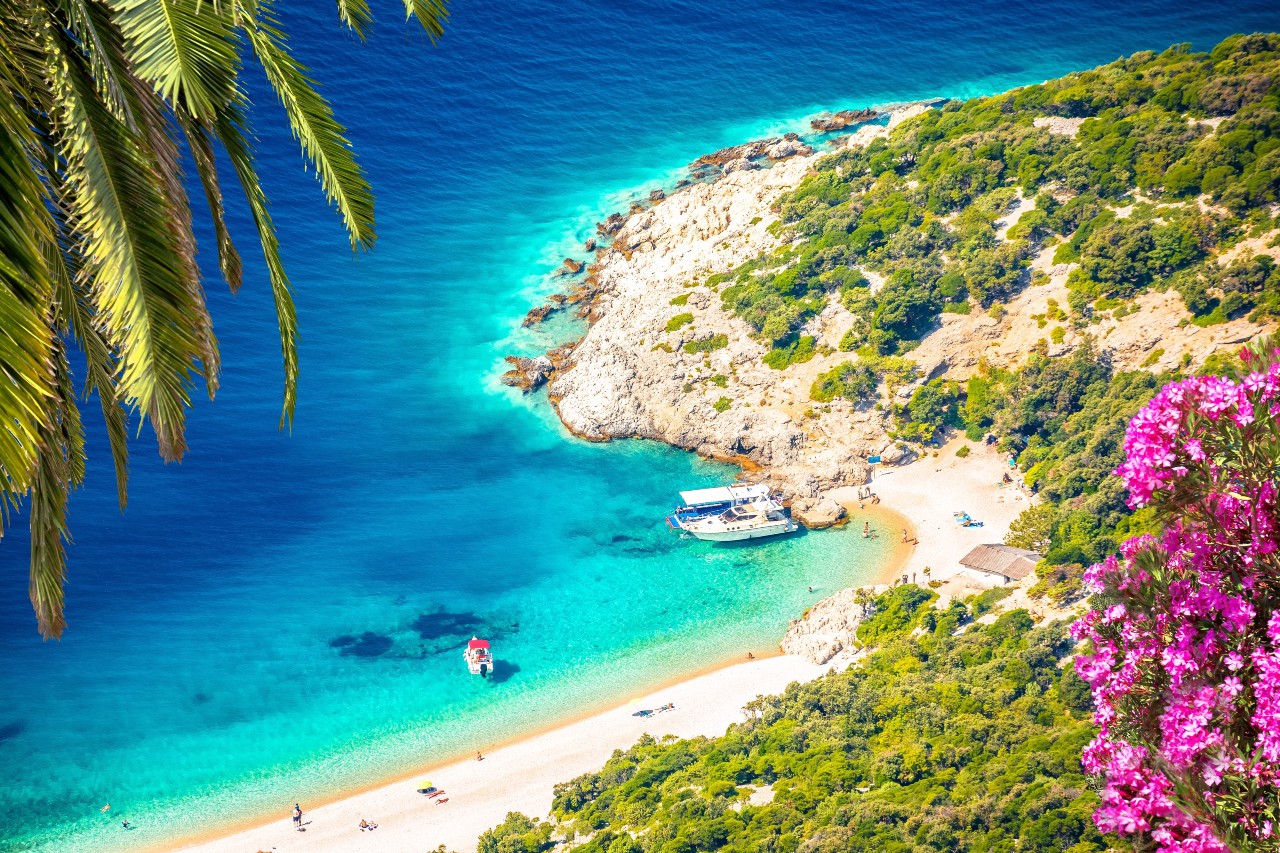
Peace, quiet, and the endless sea: The magic of a boat vacation
Do you remember that vacation you came back from more exhausted than when you left? The line for breakfast, the loud entertainers by the pool, and the never-ending battle for a lounge chair—which felt more like a morning supermarket clearance sale than a well-deserved break? I certainly do. And I’m far from the only one who said to myself, “Never again.”
Trends are changing. And they’re changing dramatically. Welcome to an era where simple silence is becoming the greatest luxury.
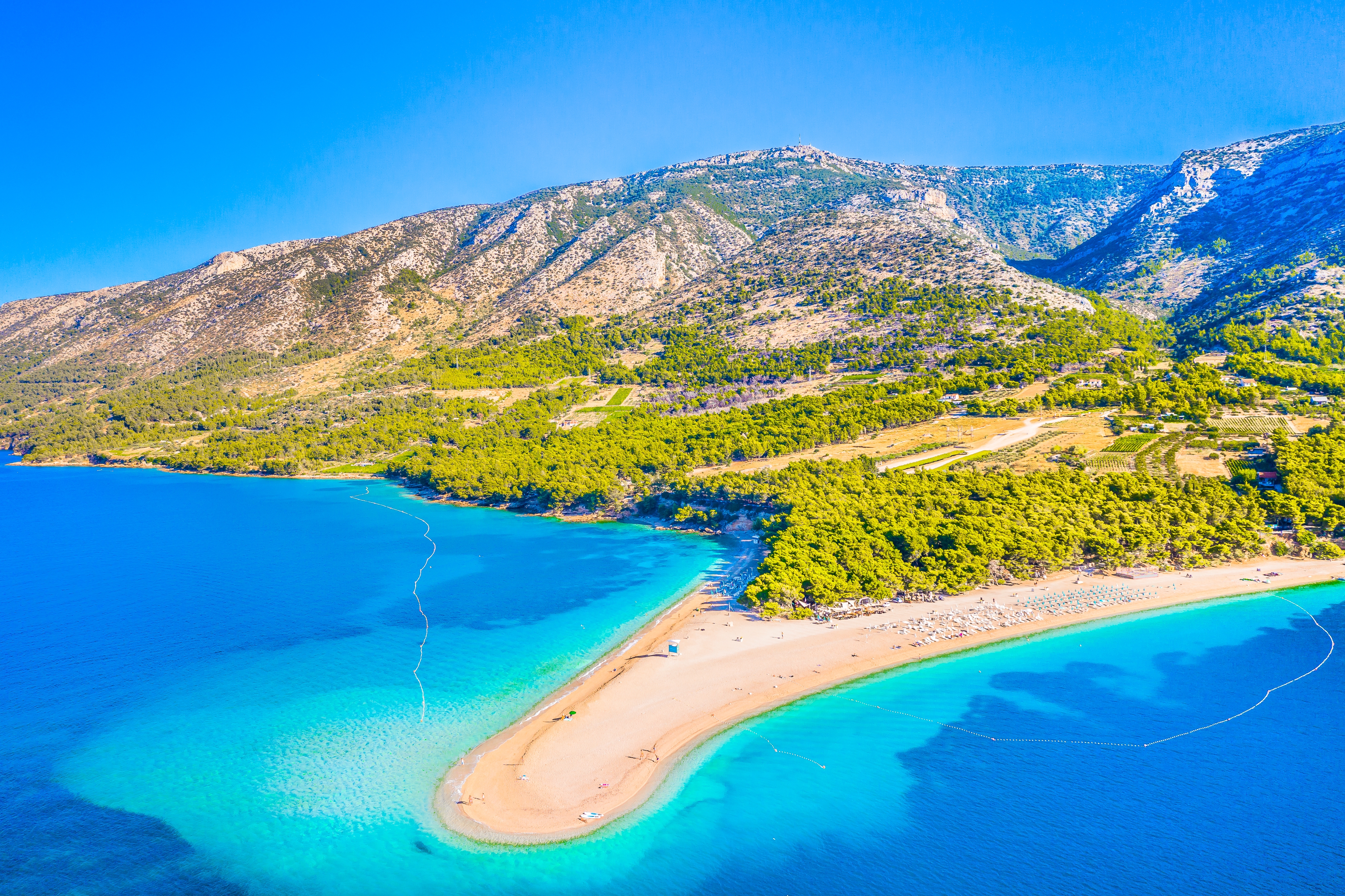
Where are the best places to swim on the Adriatic? A Guide for Sailors
Croatia is close by, with crystal-clear waters, a rugged coastline, and thousands of islands glistening on the horizon. And when you add to that the privacy of your own sailboat, which will take you exactly where you point on the map… well, tell me, can you resist? Let’s take a look together at the best places to swim in the Adriatic—and, most importantly, why yachting in Croatia is the smartest way to discover this country.

