

The Art of Mooring a Boat: Common Mistakes and How to Avoid Them
Preparing for the Maneuver: Weather, Crew, and Site Inspection
Before you even touch the helm with the intention of stopping somewhere, ask yourself three essential questions: What’s the weather like? Who’s doing what? And what’s the place we’re heading to like?
You should check the weather forecast before setting sail. Popular websites like windy.com or meteo.hr for the Adriatic will tell you the wind direction and strength even several hours in advance. And trust me—a gust of wind that catches you off guard during a maneuver can turn a spectacular landing into a fiasco worthy of a YouTube compilation.
The division of roles among the crew is the second pillar of success. The helmsman steers, the catcher catches, the line handler handles the lines, and the communicator—the captain’s second set of eyes—keeps an eye on what the helmsman simply can’t see from where he’s standing. When everyone knows what to do, the maneuver is quick, quiet, and impressive.
And finally, the location itself. Take a good look at the bottom of the water, any rocks, other boats, and obstacles. It’s worth it.
Anchoring at a Buoy: A Step-by-Step Guide to a Safe Overnight Stay
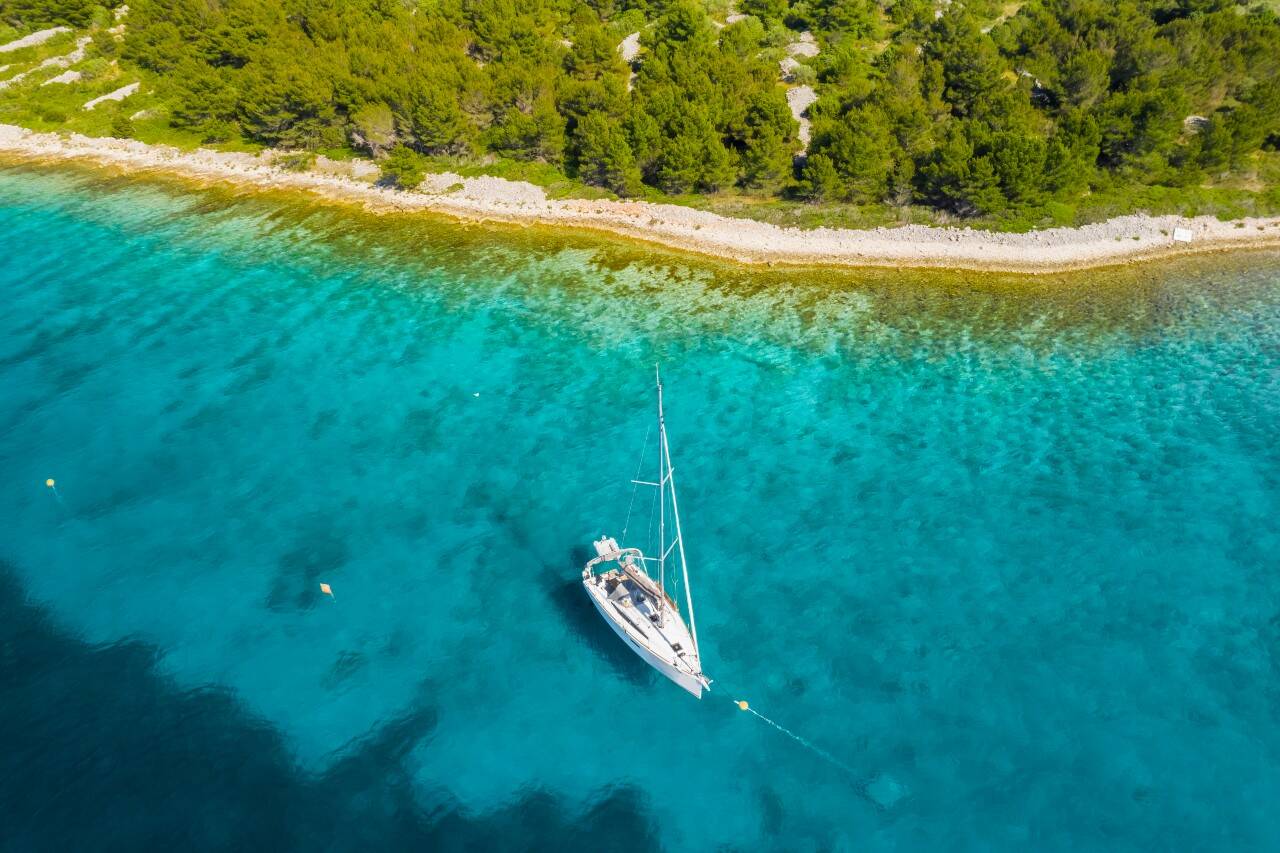
According to many sailors, mooring at a buoy is the most romantic way to spend the night at sea. The buoys are farther apart than boats at a pier, so you have privacy and no one intrudes on your cockpit. The downside? If the rope under the buoy is rotten, you might wake up at night somewhere completely different from where you fell asleep.
How to Spot a Safe Buoy and Avoid Fishing Buoys
Rule number one: Not every buoy is meant for mooring a boat. Fishing buoys often hold nothing more than a crab trap or a net. If you tie up to one of these, you could easily end up with someone else’s catch—and an angry fisherman to boot.
Small buoys for motorboats near the shore? Don’t use those either. They aren’t designed to support a multi-metric-ton sailboat and are often in shallow water. Look for buoys in the middle of the bay, not at the edge—the line always has some slack, and you don’t want to wake up with your keel on the beach.
If you have a volunteer in fins on your crew, a visual check below the surface is worth its weight in gold. And don’t be shy about asking your neighbors—sometimes a buoy also comes with a ride ashore or access to showers.
The technique of catching a buoy from the bow versus the stern
There are two schools of thought in sailing. Some believe in hauling in from the stern, others from the bow. Which is better?
You can handle hauling in from the stern on your own. You don’t have to leave the cockpit—the water’s surface is closer there. The catch, though—the risk of the line getting tangled in the propeller is much higher here.
Catching from the bow is more common, but you need at least two people. At a certain point, the helmsman can no longer see the buoy and must rely on information from the bow. But when it works, it’s fast, clean, and poses no danger to the propeller.
It’s better to thread the rope through the lower eye (the upper plastic one can snap); tie both ends to a single cleat—otherwise, there’s a risk of the rope being frayed by the bow. And don’t pull the boat all the way up to the buoy, or it will bang against the hull all night long.

Mooring at the pier: Stern-first, bow-first, or alongside?
How do you tie up to a pier? It depends on the type of boat, the region, and personal preferences. On the Baltic Sea, it’s common to tie up bow-first; on the Adriatic, almost exclusively stern-first. You tie up alongside in smaller harbors—unless you want thousands of tourists peering into your plate while you’re having dinner.
Critical Factors: Sufficient depth and bottom type for safe anchoring
Sailors want at least a little water under the keel. I recommend at least one meter. Just one wave from the ferry, and your 30-centimeter margin is suddenly gone—the keel will scrape the bottom, and repairing a charter boat will be costly.
When checking in, always ask what units the depth gauge uses and where it measures from—some measure from the waterline, others from the keel. The difference can be dramatic.
And watch out for the bottom. The Adriatic is forgiving, but in Greece, near city piers, there are rocks lurking that you can hit with your keel all too easily.

Effective Use of Fenders to Protect a Boat
Fenders are an inexpensive safeguard against costly repairs. When backing up to the dock with the stern, place the fenders mainly at the stern; between boats, place them on the most protruding part of the hull.
Not sure how high the dock will be? Alternate the height of your fenders. It’s better than frantically re-tying them during a maneuver when the wind is blowing right in your face.

Mooring: Specifics of Mooring in Marinas
A mooring is a rope running from a concrete block or an anchor on the seabed to a pier (or a buoy). In marinas along the Adriatic, this is standard—in Greece or the Baltic Sea, it’s more of an exception.
Beginners love moorings, and rightly so. They hold reliably even in a storm, and the maneuver is relatively simple. The boat is secured by three lines: two aft lines to the pier and one mooring line from the bow.
What will you need? A telescoping mooring hook (yes, it’s telescoping—I’m surprised by how many sailors don’t know this and complain about a “short pole”), sturdy gloves (the shells on the rope cut like a razor), and a cool head.
The person with the hook lifts the rope, walks with it to the bow, and ties it to the cleat. The goal? The rope from the concrete block must be taut as a string, while the rope from the pier should be loose and lying on the bottom.
And one more piece of advice to conclude this chapter: even if the marina staff tries to convince you to take the mooring on the right, you are the captain. You bear the responsibility. Stand your ground.
The Most Common Mistakes When Tying Knots and How to Avoid Them
And now for the most important part—how not to mess this up.
The Risk of a Rope Getting Tangled in the Propeller
A classic scenario. A mooring line, a sheet, a tie-up line—anything that ends up in the water immediately becomes the propeller’s favorite target. As soon as anything gets tangled, the engine stops, and your elegant maneuvering turns into a drama to save the boat.
How to prevent this? Keep the engine running throughout the maneuver, but when you don’t need it, shift into neutral. Never turn it off completely. And keep an eye on where the ropes are falling—this is especially important when catching a buoy over the stern.
Poor choice of knots and insufficiently tightened ropes
Dragon’s eye knot, bowline knot, clove hitch… Every captain has a favorite. Only one thing matters—you must trust your knot. If someone else is mooring your boat and you don’t like the knot, don’t be afraid to untie it and re-tie it your own way. You’re the captain.
And make sure to tighten the lines. A loose rope won’t save you in calm conditions when the nighttime bora hits.
Mooring a boat is essentially the art of common sense. Keep an eye on the weather, divide up roles effectively, don’t underestimate the importance of preparation, have fenders where they’re needed, and above all—don’t rush. If a maneuver goes wrong, calmly back out of the situation and start over. It’s better to make two trips than to crash once.
And if you mess something up? Welcome to the club. Every experienced captain will gladly tell you, over a beer at the marina, about the time he got the mooring line tangled in the propeller. The important thing is to learn from it. And do better next time.
Happy mooring and peaceful nights under the stars!
Latest from Blog

Peace, quiet, and the endless sea: The magic of a boat vacation
Do you remember that vacation you came back from more exhausted than when you left? The line for breakfast, the loud entertainers by the pool, and the never-ending battle for a lounge chair—which felt more like a morning supermarket clearance sale than a well-deserved break? I certainly do. And I’m far from the only one who said to myself, “Never again.”
Trends are changing. And they’re changing dramatically. Welcome to an era where simple silence is becoming the greatest luxury.
Where are the best places to swim on the Adriatic? A Guide for Sailors
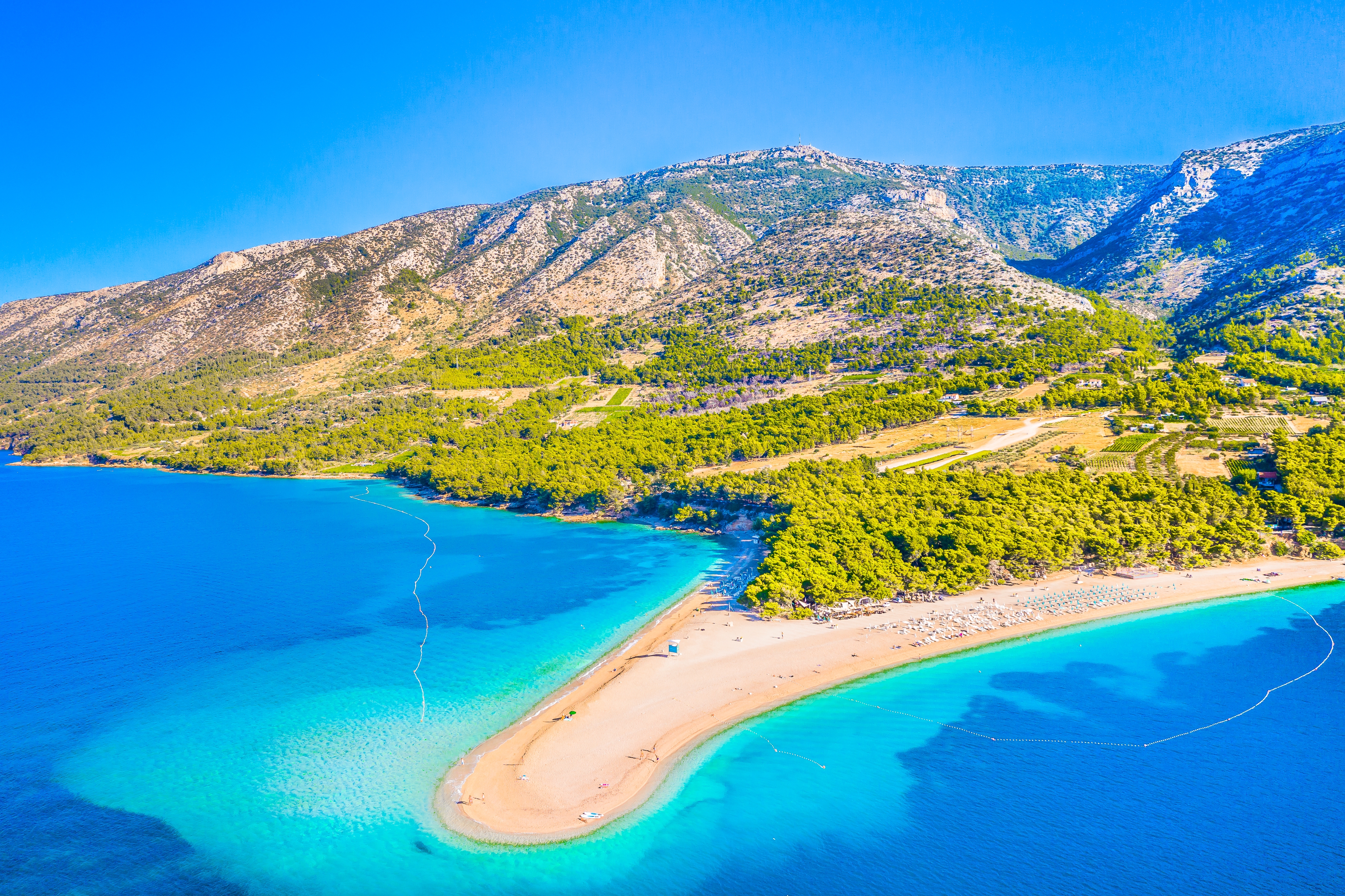
Croatia is close by, with crystal-clear waters, a rugged coastline, and thousands of islands glistening on the horizon. And when you add to that the privacy of your own sailboat, which will take you exactly where you point on the map… well, tell me, can you resist? Let’s take a look together at the best places to swim in the Adriatic—and, most importantly, why yachting in Croatia is the smartest way to discover this country.

Yachting in Turkey: Discover the most beautiful spots along the Turquoise Coast
Are you tired of perpetually crowded Croatian marinas and overpriced Italian ports? I certainly am. So I started looking further east—and discovered a destination that took my breath away. Yachting in Turkey is no compromise, but a full-fledged experience that in many ways puts the classic Mediterranean to shame. A turquoise coastline, ancient ruins peeking out from the cliffs, bays straight out of a paradise vacation ad, and prices that won’t break the bank. Let’s see why you should pack your swimsuit and head right here.

