

first time on a boat
First time on a boat
Sure, you can hear the call of the open sea. The ocean, the wind in your hair, a glass of chilled white wine at sunset on deck. Your friend, a newly minted captain, has invited you on a week-long cruise. Sounds idyllic, right? But then questions start swirling around in your head. What on earth should I pack? Will I be throwing up over the side the whole time? And what about that toilet that everyone tells such scary stories about?
Relax. You've come to the right place. Before you become a seasoned sea dog who can tie nautical knots with ease and uses expressions like "hoist the fenders" at every turn, here's our guide for newbies. We'll walk you through all the pitfalls so you can enjoy your first time on a boat to the fullest and not become the story the crew will be telling for years to come.
Before you set sail: Preparation is half the battle
A boat vacation doesn't start at the marina, but much earlier. Proper preparation will save you a lot of stress and maybe even friendships.

Blind date, or meet the crew
If a group of people who don't know each other are meeting on a boat, it's absolutely essential to meet beforehand. It's the perfect opportunity to find out if you'll get along. Trust me, you don't want to find out in the middle of the sea that your cabin mate is your new acquaintance's ex-partner or that two roosters who need to prove something to each other have gathered on board. Save that kind of drama for the movies.

Every dog is different? Clarify your expectations
At the pre-cruise meeting, it is also crucial to discuss what everyone expects from the cruise. One person may want to race against the wind, another may dream of sampling specialties in luxury restaurants in every port, and a third may just want to sunbathe and read five books. The boat is not inflatable, and neither is the program. It is necessary to find a compromise, otherwise the only shared experience will be cabin fever.
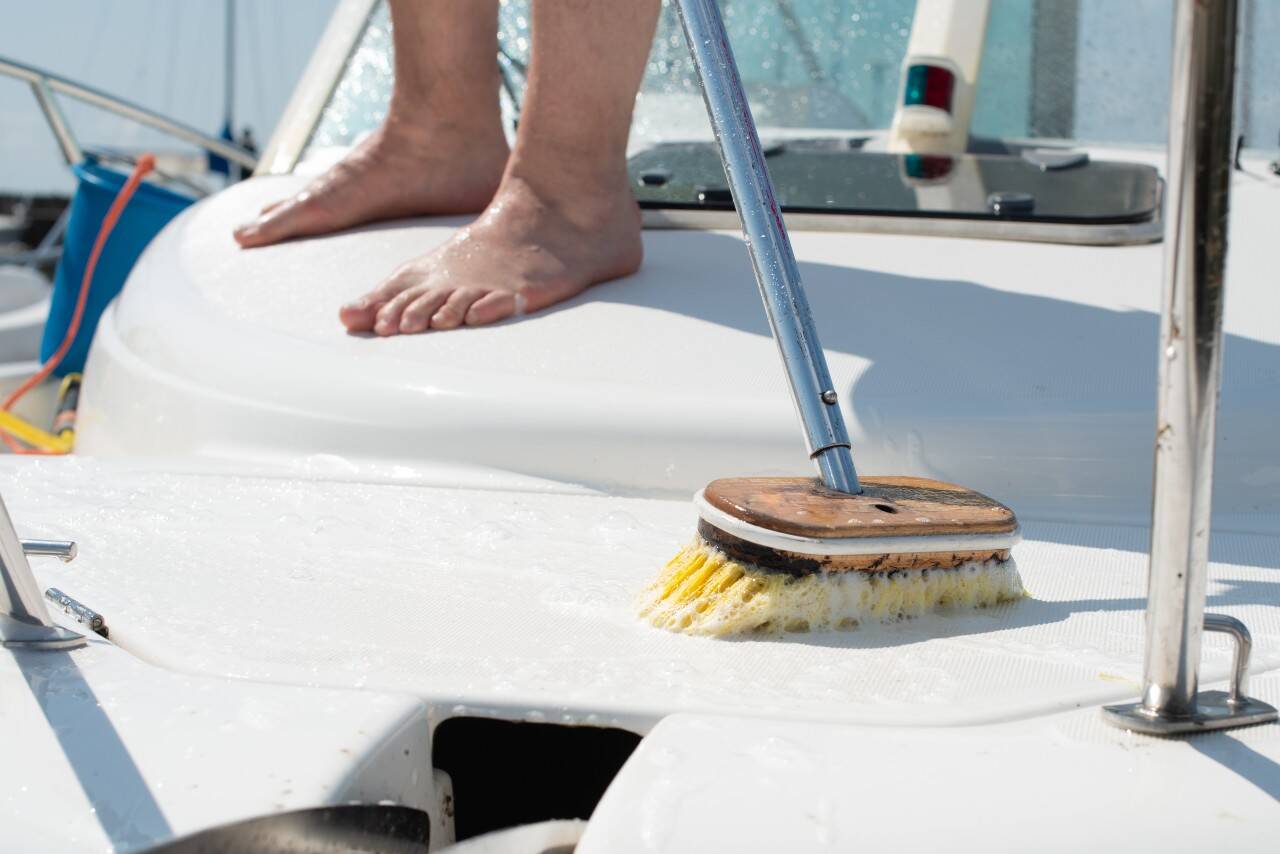
Who will wash the deck?
Do you want to actively participate in steering and pulling ropes, or would you rather be an observer with a drink in your hand? Both are fine, but the captain needs to know who he can count on when he needs to quickly pull down the sails before a storm.
-
-
-

The captain is always right (even when he's wrong)
There is a simple rule on a ship: the captain's word is law. He is not some dictator with a funny hat, but a person who is responsible for the ship and, above all, for your lives. His decisions always take precedence. Respect that. When he says "jump," you don't ask "why," but "how high."
-
-
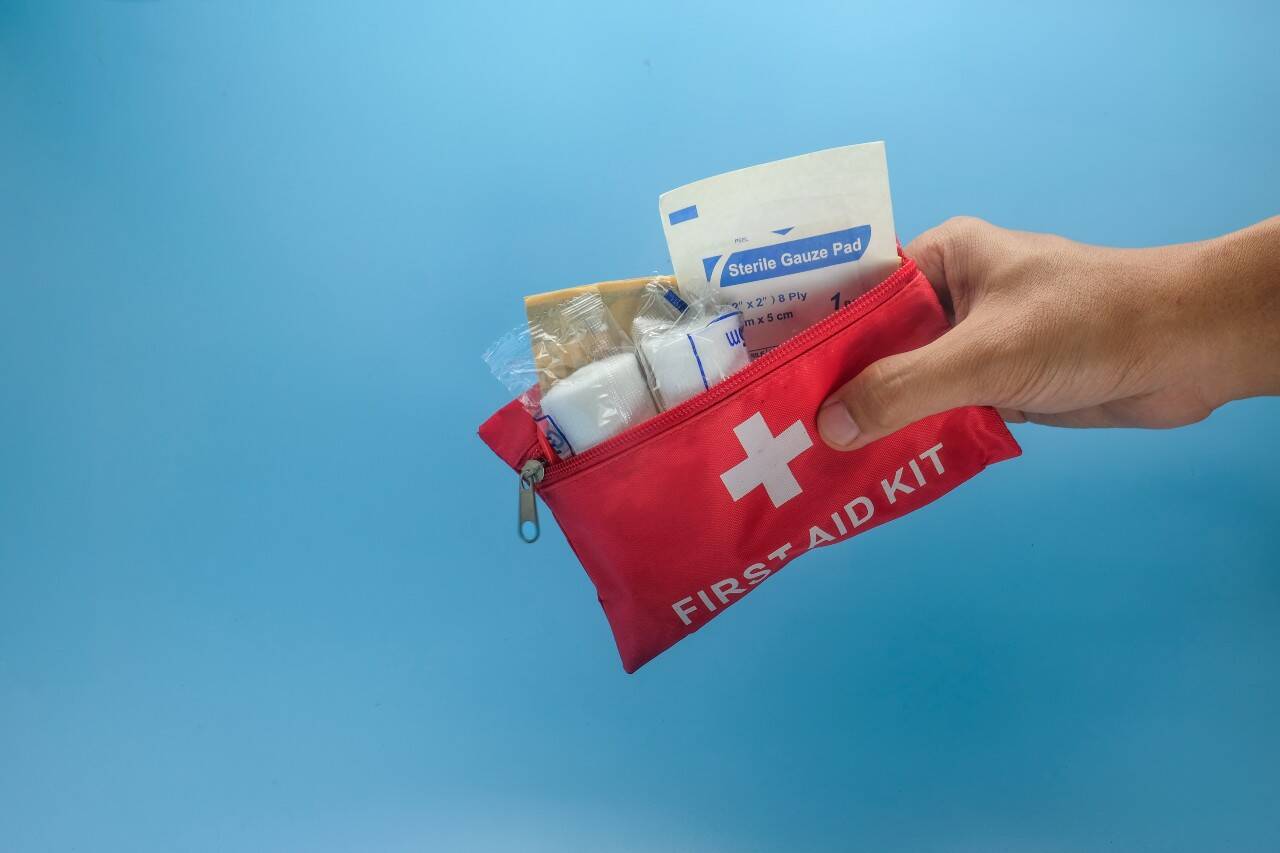
Health report
You don't need to tell the captain about your appendectomy in 1998. But if you have diabetes, epilepsy, severe allergies, or any other serious health condition, the captain and the rest of the crew should know about it. They should also know where your emergency medication is stored.
-
-
-
Operation "Packing": Less is more
Storage space on the boat is, shall we say, minimalist. Every centimeter counts.
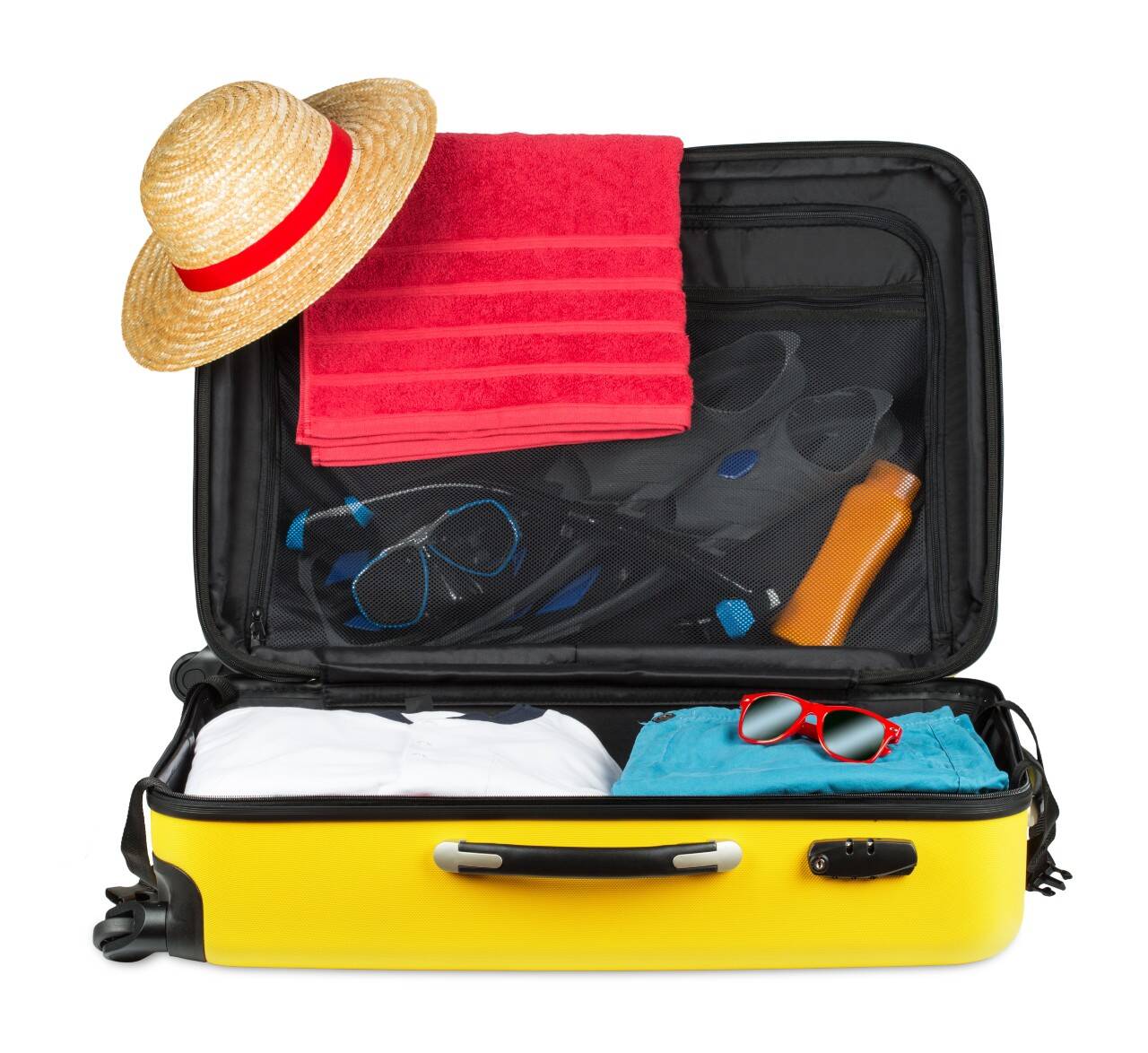
Enemy on Board: Suitcase
Leave your large hard-shell suitcase at home. It's about as useful on a boat as an umbrella in a submarine. There's nowhere to hide it, it will get in your way the whole time, slide across the floor, and you'll trip over it at night. A sports bag or backpack is ideal, which you can simply roll up and tuck away in a closet after unpacking.
-
-
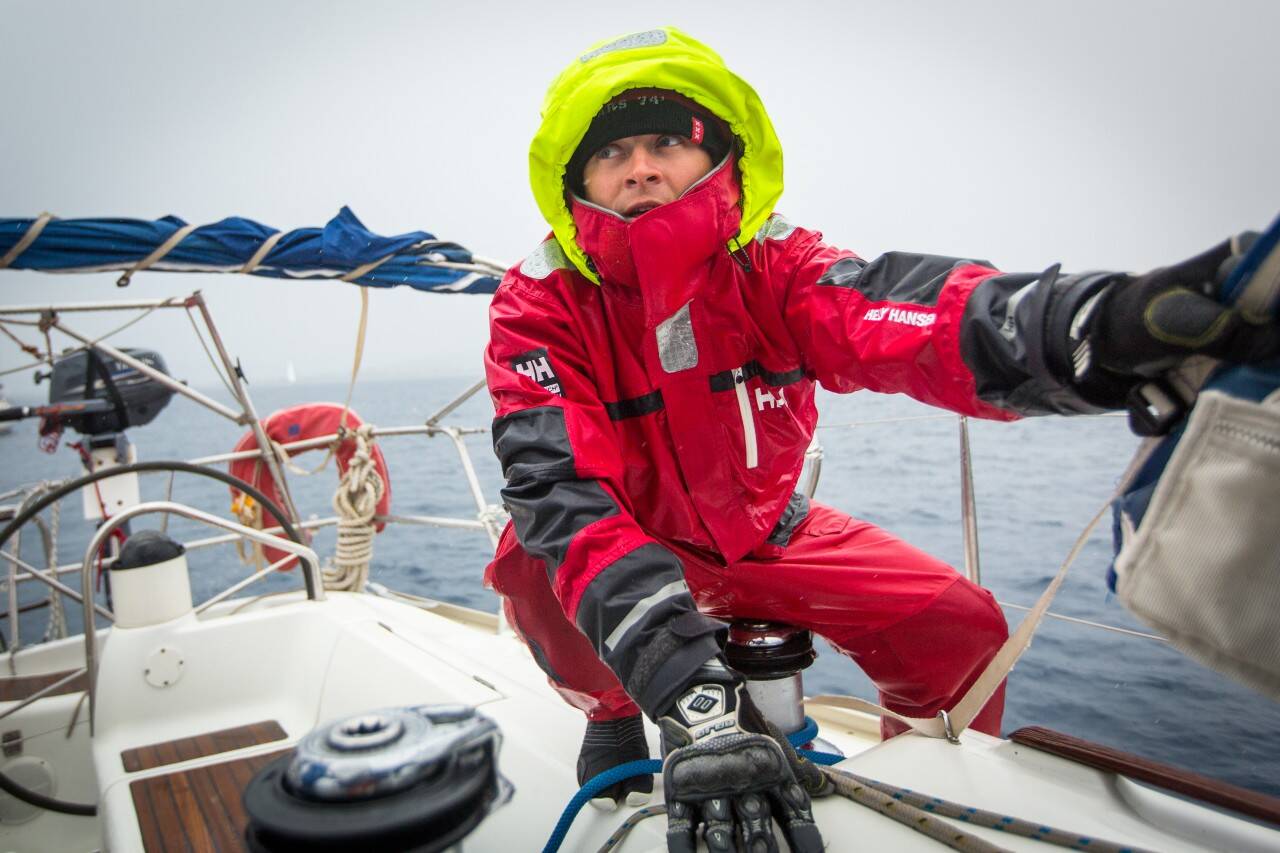
What to wear? Layers, layers, layers!
What you pack depends on your destination and the season. In summer in Croatia, swimsuits and T-shirts will suffice, but even there it can get chilly in the evening.
Always useful:
- Functional and quick-drying clothing: T-shirts, shorts.
- Something warm: A sweatshirt or fleece jacket. Even in summer, it can be quite windy at sea.
- Waterproof and windproof jacket: A must in case of rain or wind.
- Headgear: A cap or scarf for sun protection.
- Sunglasses and sunscreen: The sun is much stronger on the water.
The holy grail of sailing shoes
And now the most important thing: shoes with light-colored, non-marking soles. If you don't want to spend your vacation on your knees scrubbing black streaks off the expensive deck under the captain's stern gaze, take this advice.
Life on Board: A Survival Manual
Welcome aboard! Now the real adventure begins. A few practical tips will make your first few days easier.
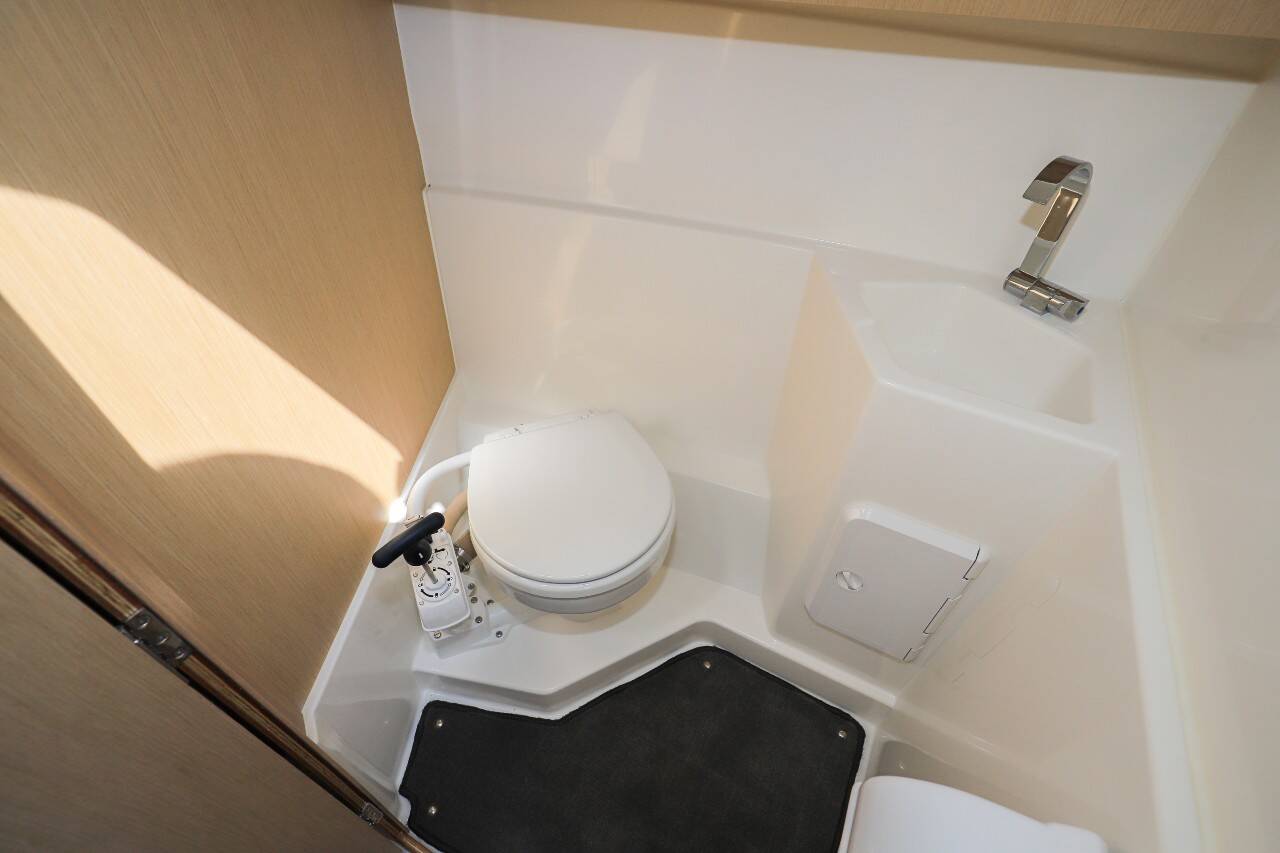
The mystery of the ship's toilet
The number one topic that can determine the success or failure of a cruise. A ship's toilet is a very sensitive piece of equipment. Remember one thing: TOILET PAPER DOES NOT BELONG IN THE TOILET! Neither do wet wipes or anything else. Paper belongs in the trash can provided. Believe me, you don't want to be the one who clogs the toilet. Repairs are expensive, embarrassing, and definitely not fragrant.
Personal space? What's that?
A 50-foot yacht sounds huge, right? In reality, it means that your cabin will be the size of a large closet, which you share with another person. Forget about personal space as you know it from home. You will learn the art of efficient movement, and the words "excuse me" and "pardon me" will become your best friends.
Myths and legends about yachting
- Myth: Yachting is only for millionaires.
- Reality: When the cost of renting a boat and other expenses are shared among the entire crew, a week at sea can be cheaper than staying in a hotel.
- Myth: You will feel sick the whole time.
- Reality: Most people do not get seasick at all, or their bodies get used to it after a few hours.
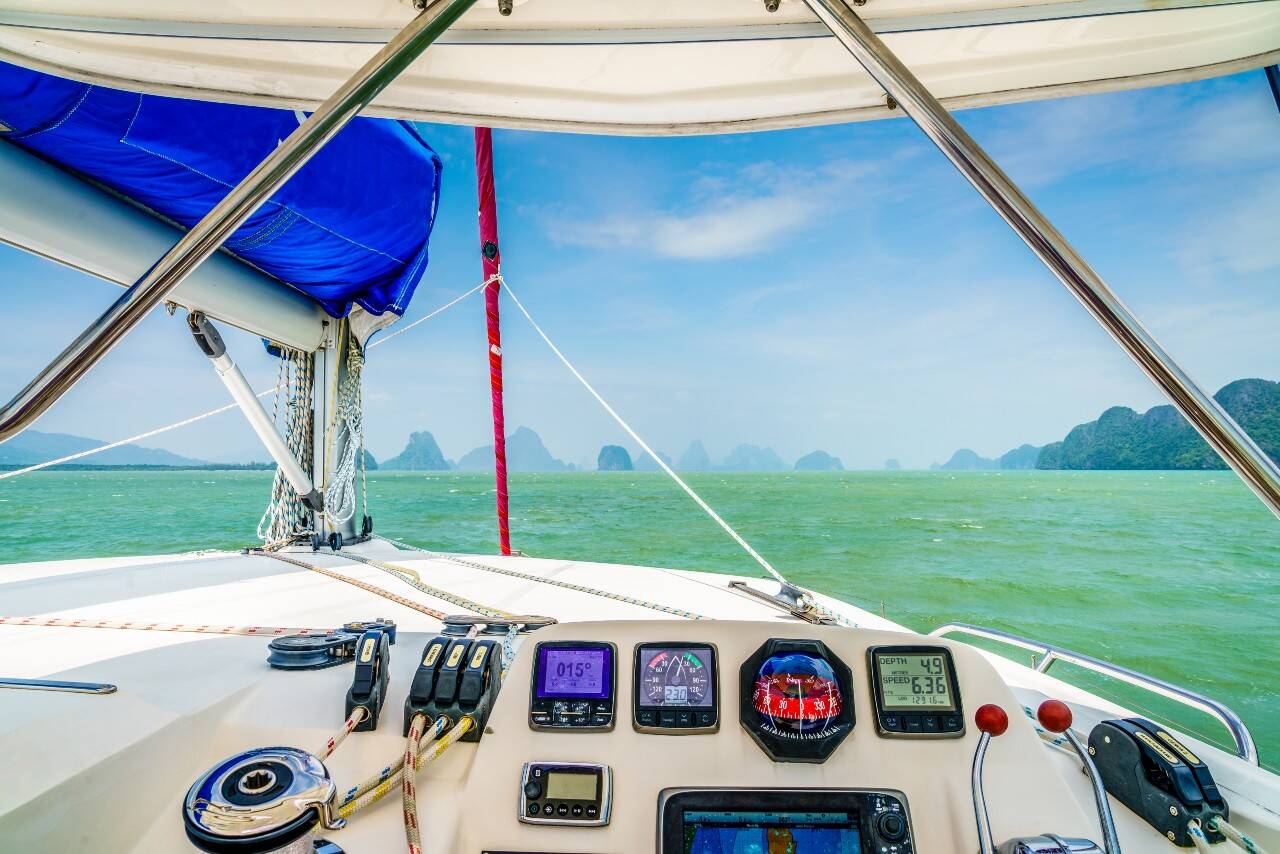
Scarecrows below deck: How to deal with common fears
Seasickness: An enemy that can be defeated
Fear of seasickness is probably the most common concern among newcomers. What helps?
- Look at the horizon: It helps the brain reconcile what the eyes see and what the body feels.
- Stay in the fresh air: Avoid staying below deck, where everything rocks more.
- Eat moderately: An empty or overly full stomach is not good.
- Medication: You can get tried and tested Kinedryl, Travel-Gum chewing gum, or ginger tablets at the pharmacy.
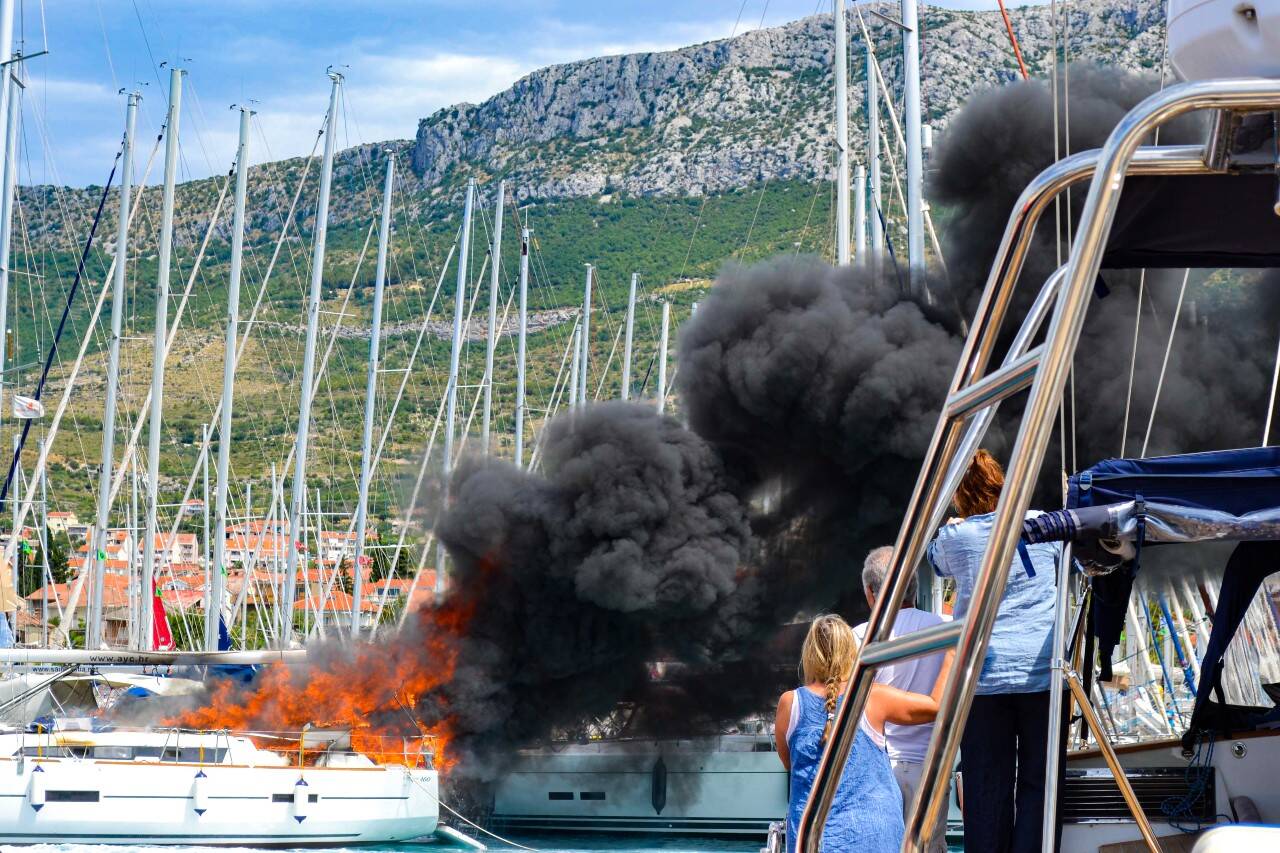
Fire on Water
It sounds like a paradox, but fire on a boat is a real danger. Immediately after boarding, ask the captain to show you where the fire extinguishers are and how to close the gas cylinder.
-
-
-
-

Money, money, money
How much will it cost?
Clarify your budget in advance. In addition to the boat rental price, you will need to add the cost of a captain (if you don't have one of your own), food, drinks, marina mooring fees, and fuel.
Shared fund
Agree on how you will pay for shared expenses. A proven system is a shared fund, into which everyone puts an agreed amount at the beginning and from which everything is then paid.
Cash is king
A credit card is fine, but a fisherman in a remote bay who sells you freshly caught fish for dinner is unlikely to have a terminal. Always carry enough cash in the local currency.
Rules and boundaries on board
The boat is not a non-stop party steamboat. A glass of wine with dinner is fine, but a drunk sailor is a dangerous sailor. The captain sets the rules regarding alcohol consumption, and they are simply followed. The same applies to smoking – agree on where the smoking area is so that it does not bother others and does not pose a danger.
So, are you still afraid? There's nothing to be afraid of. Sailing is an incredible experience full of freedom, adventure, and sunsets you'll never forget. With a little preparation, respect for the rules, and the right group of people, it will be the vacation of a lifetime.
So, see you on board!
Latest from Blog

The Art of Mooring a Boat: Common Mistakes and How to Avoid Them
Becoming an experienced captain isn’t just about knowing how to handle the sails or stay on course. The real test comes when you’re approaching a pier, a buoy, or a marina. Why? Because anchoring and mooring a boat is the discipline where things most often go wrong—and often result in damaged fenders, keels, and the crew’s nerves. Let’s take a look at how to moor like a pro and avoid the most common mistakes.

Peace, quiet, and the endless sea: The magic of a boat vacation
Do you remember that vacation you came back from more exhausted than when you left? The line for breakfast, the loud entertainers by the pool, and the never-ending battle for a lounge chair—which felt more like a morning supermarket clearance sale than a well-deserved break? I certainly do. And I’m far from the only one who said to myself, “Never again.”
Trends are changing. And they’re changing dramatically. Welcome to an era where simple silence is becoming the greatest luxury.

Where are the best places to swim on the Adriatic? A Guide for Sailors
Croatia is close by, with crystal-clear waters, a rugged coastline, and thousands of islands glistening on the horizon. And when you add to that the privacy of your own sailboat, which will take you exactly where you point on the map… well, tell me, can you resist? Let’s take a look together at the best places to swim in the Adriatic—and, most importantly, why yachting in Croatia is the smartest way to discover this country.

