

Yachting in Corsica: Discover the most beautiful coves and wild nature
Why Choose Yachting in Corsica for Your Next Vacation
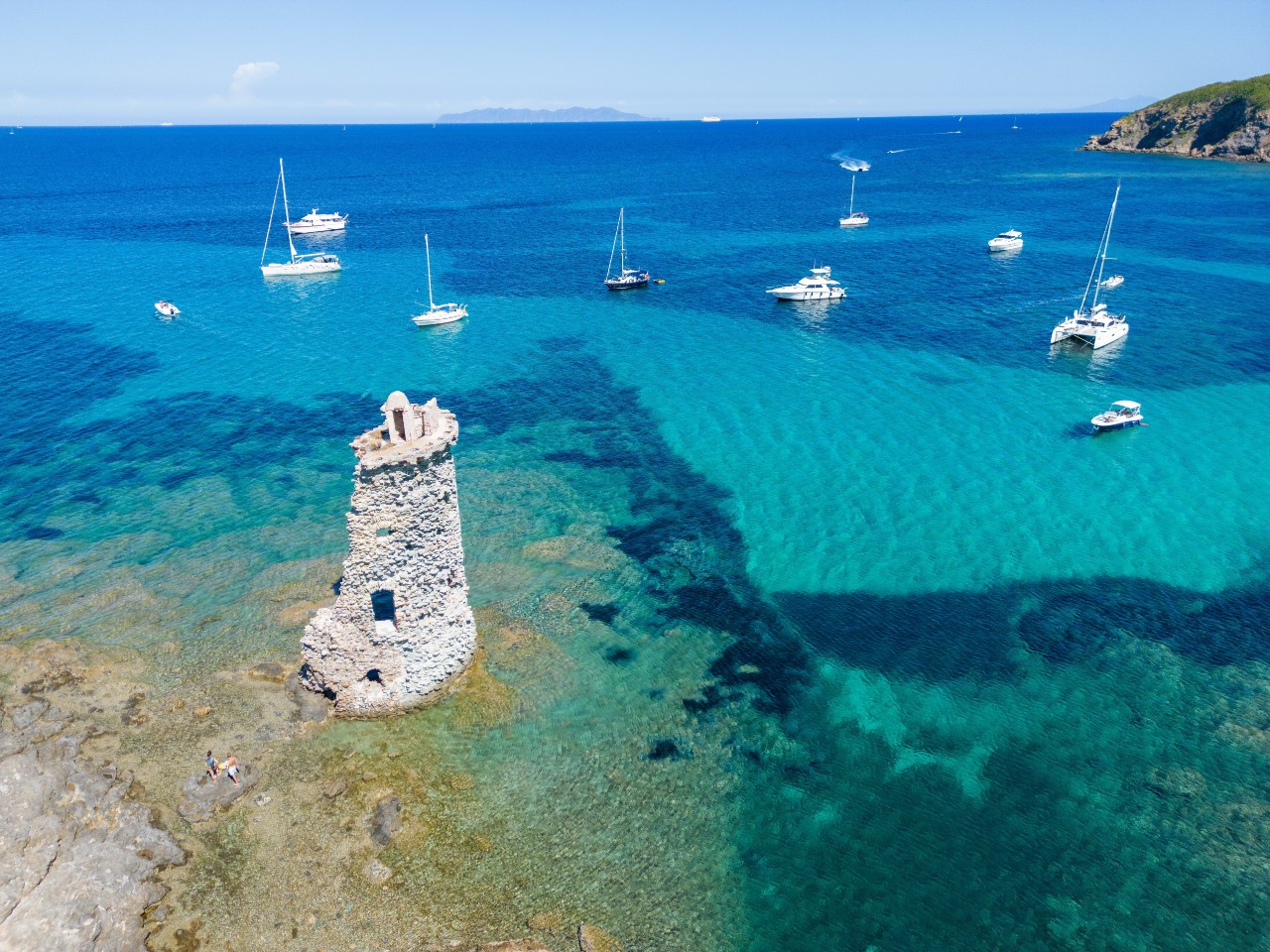
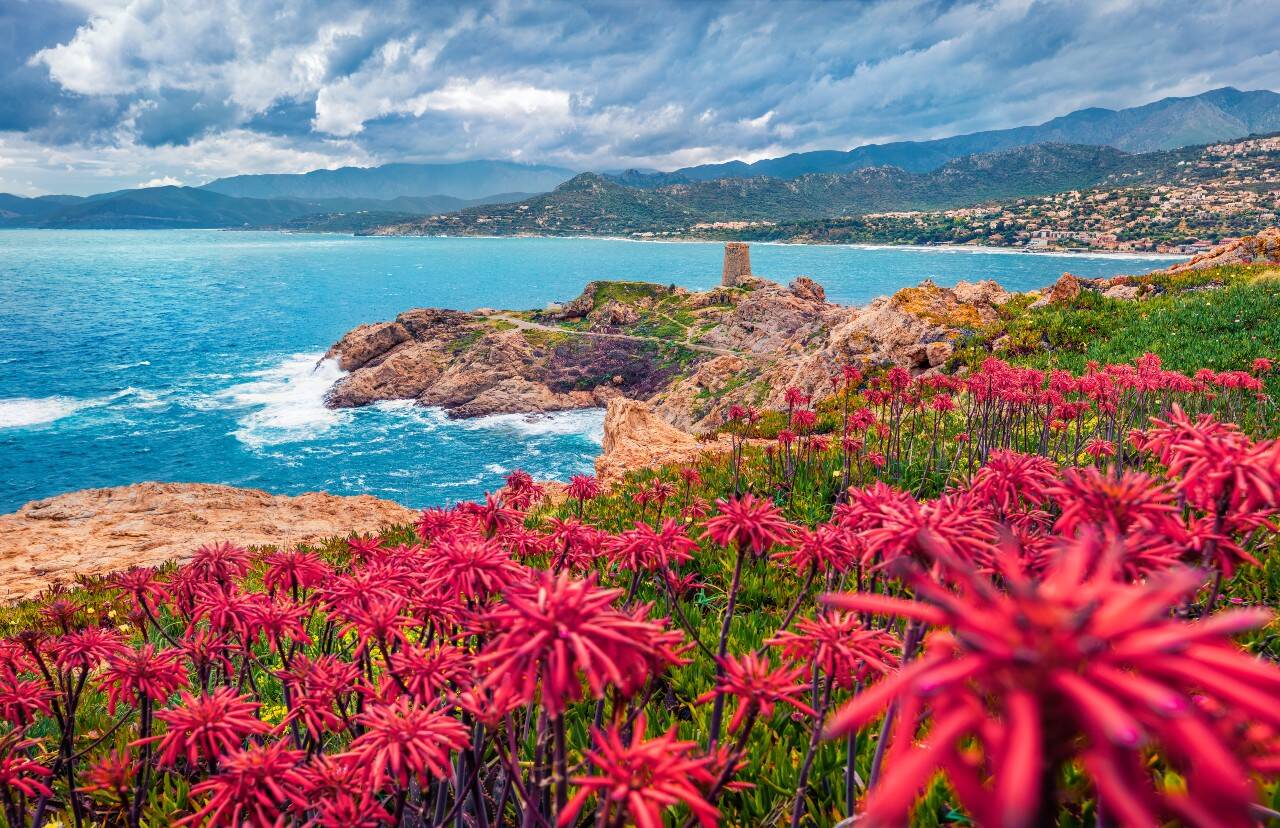
Corsica is said to be what Sardinia looked like twenty years ago. No giant concrete hotels marring the coastline, but wild nature, mountains soaring to heights of two thousand meters, and coves where you can anchor all by yourself. The only thing missing is a mojito happy hour just around the corner. Instead, you get Italian temperament wrapped in French bureaucracy. In any case, thanks to a project called Corsica, I’ve gained a welcome excuse to finally get myself a proper sailing jacket. Does that mean those cheesy catalog photos with red cliffs and azure water aren’t lying after all? They aren’t. It’s even better there.
Weather and Wind Conditions: When to Set Sail
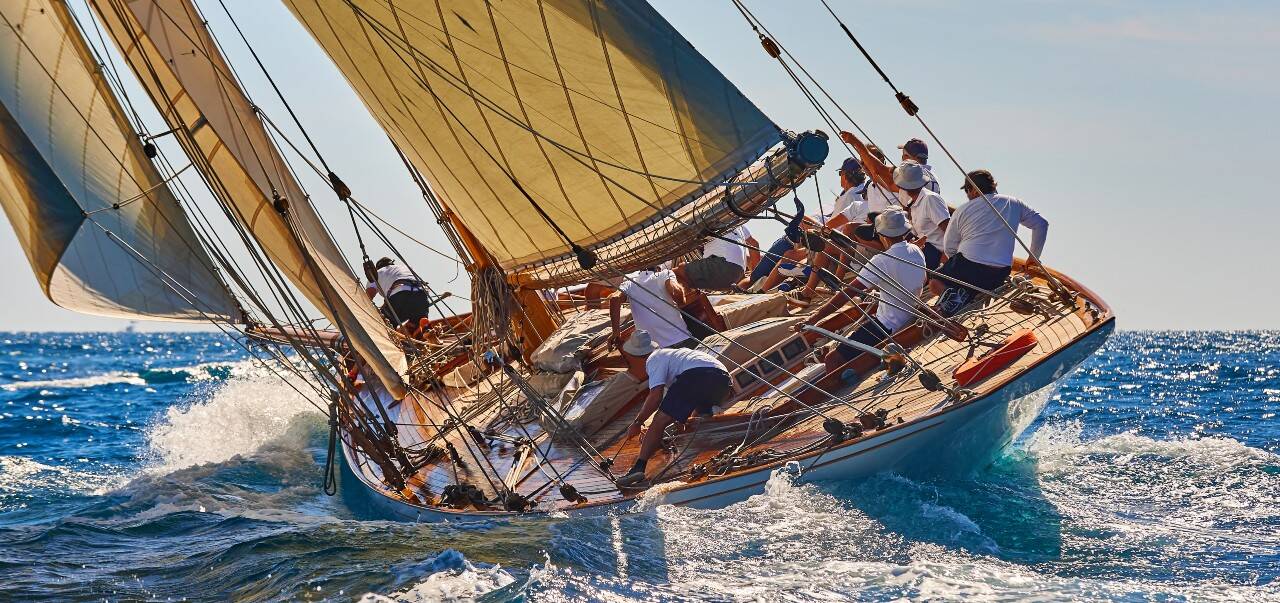
“What do my friends think I’m doing?” flashed through my mind as I held onto the railing while a 25-knot Mistral wind lashed at us. My friends think I’m sipping prosecco on the bow. Reality? Sails out, the boat listing like crazy, and the wind howling as if someone were hitting you over the head with a club.
The best months for sailing are May, June, September, and October. Avoid August unless you want to play bumper cars with Italian tourists in the coves. It’s windy in Corsica. A lot. The Mistral, the Tramontana, the Scirocco... the wind here changes faster than a teenager’s mood. If you’re not an experienced sailor, show some respect. The sea here can get rough in a matter of minutes.
North Coast vs. South Coast: Which Route to Choose
What did I discover when I looked at the map? Corsica can be divided into two completely different worlds. Which one you choose depends on what you’re looking for in a vacation.
Northern Corsica: Untamed Nature and Historic Harbors
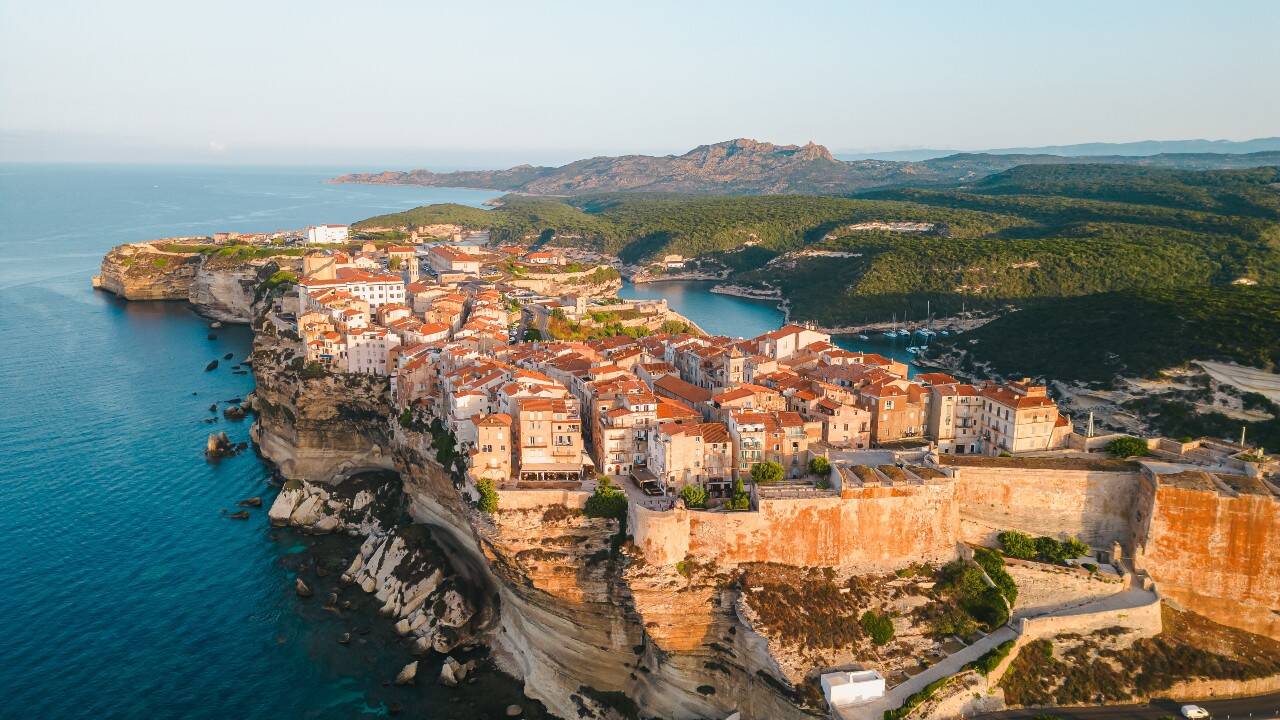
The north is for connoisseurs and history buffs. The town of Calvi, with its majestic citadel, or bustling Bastia will transport you back in time. And then there’s the Scandola Nature Reserve. Red cliffs plunging vertically into the deep blue sea. If you’re lucky, you’ll spot dolphins. It’s rougher and windier here, but all the more authentic for it.
Southern Corsica: Turquoise coves and white beaches
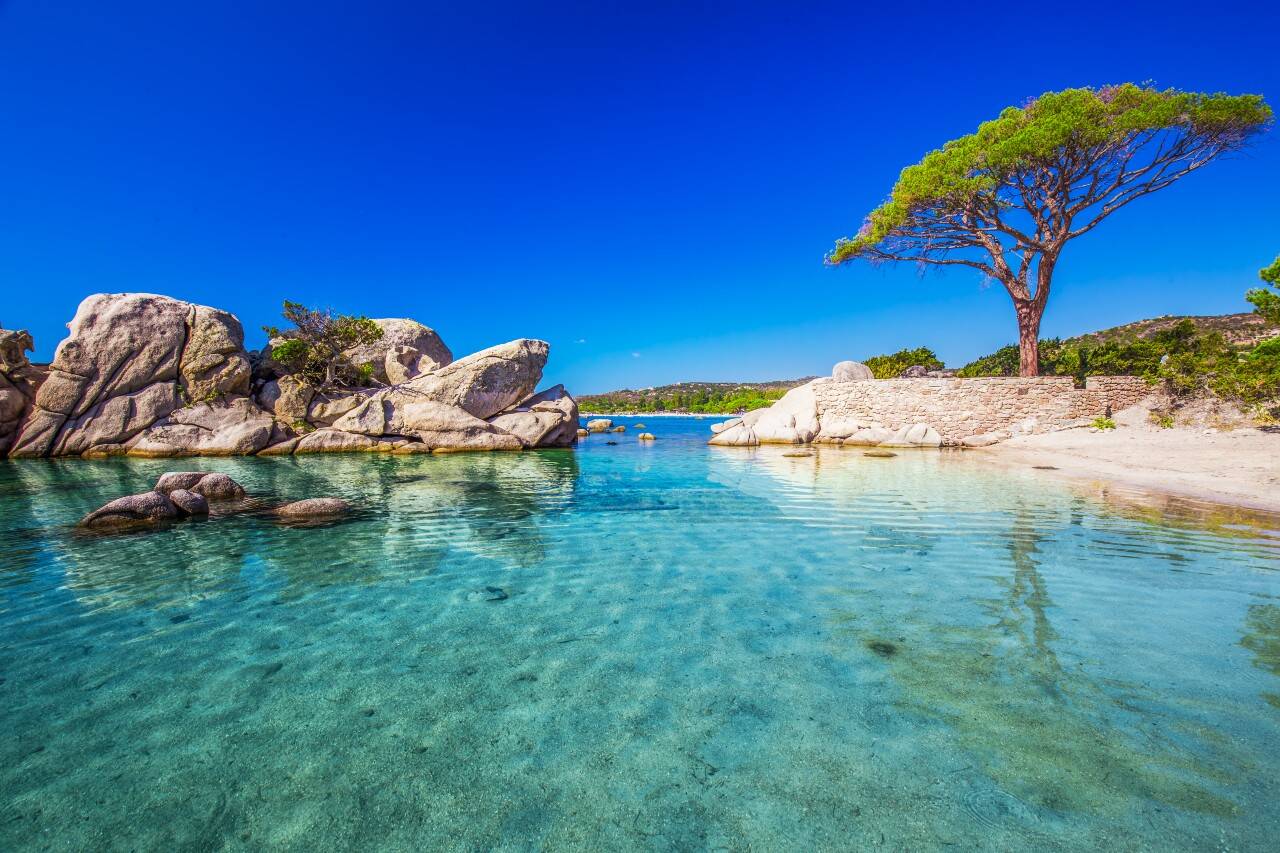
The south, on the other hand, is a Caribbean dream come true in the Mediterranean. If your crew is longing for white sand and turquoise waters, head here. Beaches like Palombaggia near Porto Vecchio are among the most beautiful in the world. The sailing here is a bit calmer, though the strait near Bonifacio can really put you to the test.
Choosing a boat: A yacht in Corsica or a catamaran in Corsica
This is a timeless dilemma. The classic single-hull yacht Korsika offers you a true sporting experience. You’ll cut through the waves, enjoy the roll, and feel like a true sea dog.
On the other hand, if you’re bringing along a family or a group of friends who won’t appreciate mugs flying through the air while you’re making coffee, the Corsica catamaran is the clear choice. It’s basically a floating living room. I did once save up every penny to get my sailing license for a sport sailboat, but I have to admit that the space on a catamaran and its stability in bays have something special about them. Especially when you want to enjoy fresh croissants for breakfast in peace.
Recommended itinerary from Ajaccio to the Lavezzi Islands
The ideal starting point for the southern route is Ajaccio, the birthplace of Napoleon Bonaparte. The city is noisy but has a certain charm. From there, you can set off on a fantastic seven-day loop.
The route usually looks something like this:
1, Ajaccio (pick up the boat and do some shopping).
2, Cala di Conca (a secluded cove with no cell service—finally some peace and quiet!).
3, Bonifacio.
4, The Lavezzi Islands or Rondinara Bay.
5, Cala di Roccapina (a cove with a lion-shaped rock).
6, Baie de Cupabia.
7, Return to Ajaccio.
Bonifacio: A majestic city perched on limestone cliffs
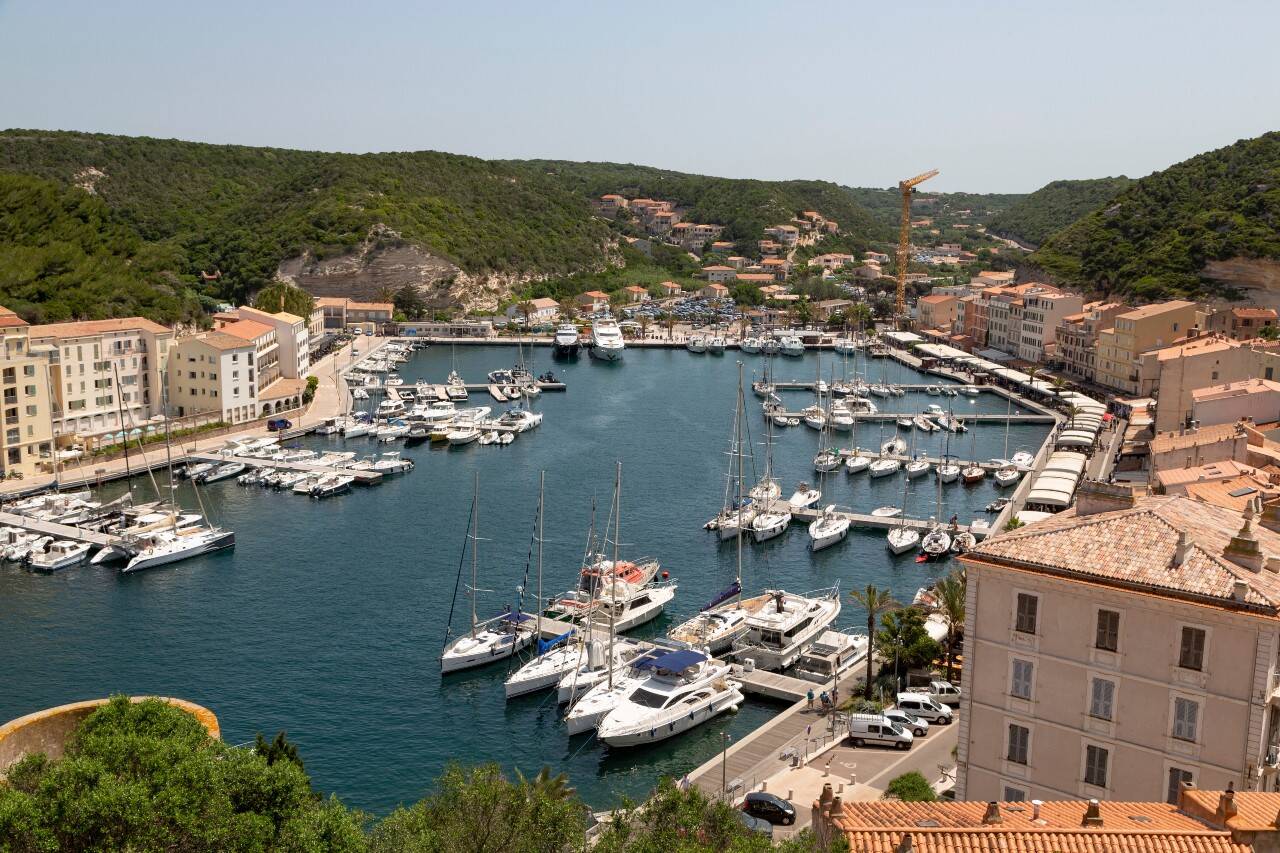
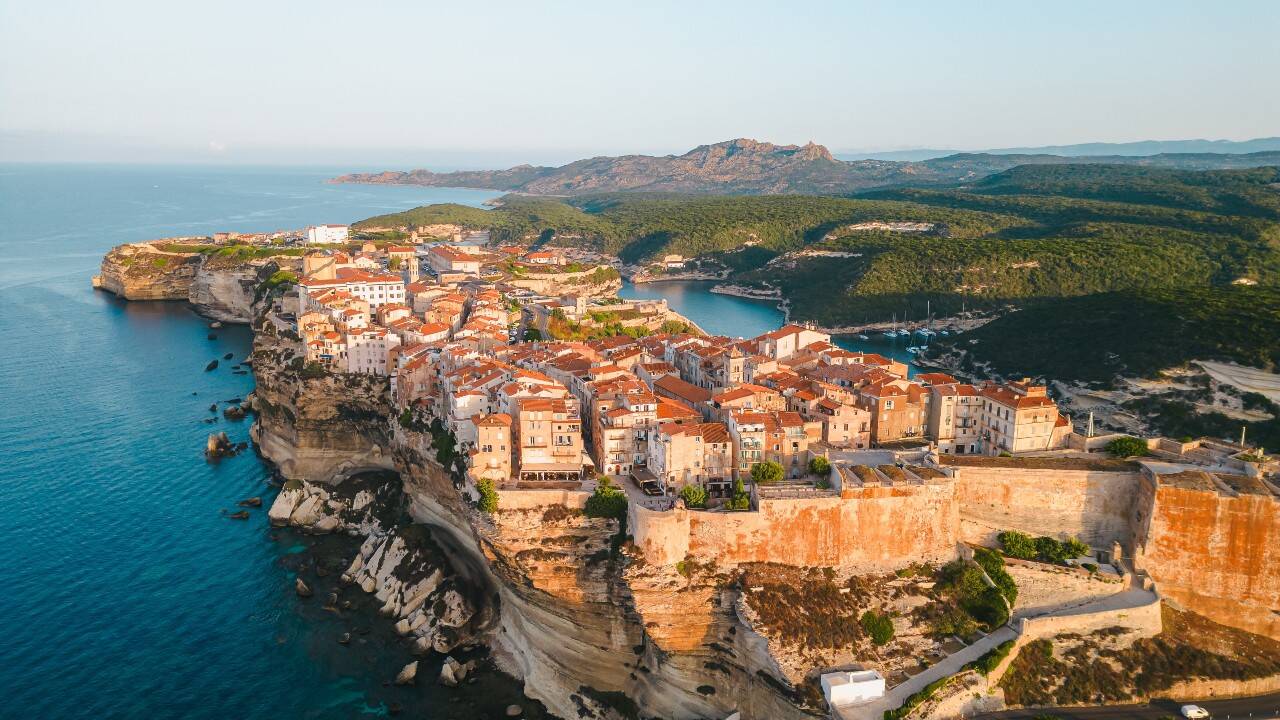
This is the absolute highlight. Sailing into Bonifacio is a spine-tingling experience. I’m crouched like a predator at the helm, staring at those massive white limestone cliffs with ancient houses perched right on their very edge. The entrance to the narrow fjord that forms the harbor is simply spectacular.
“Hold that wheel tight so we don’t scrape against that mega-yacht next to us!” the captain shouts at me. Bonifacio is bustling, expensive, and noisy, but you have to see those medieval alleyways and the King of Aragon’s staircase carved into the rock.
Nature reserves and the best snorkeling spots
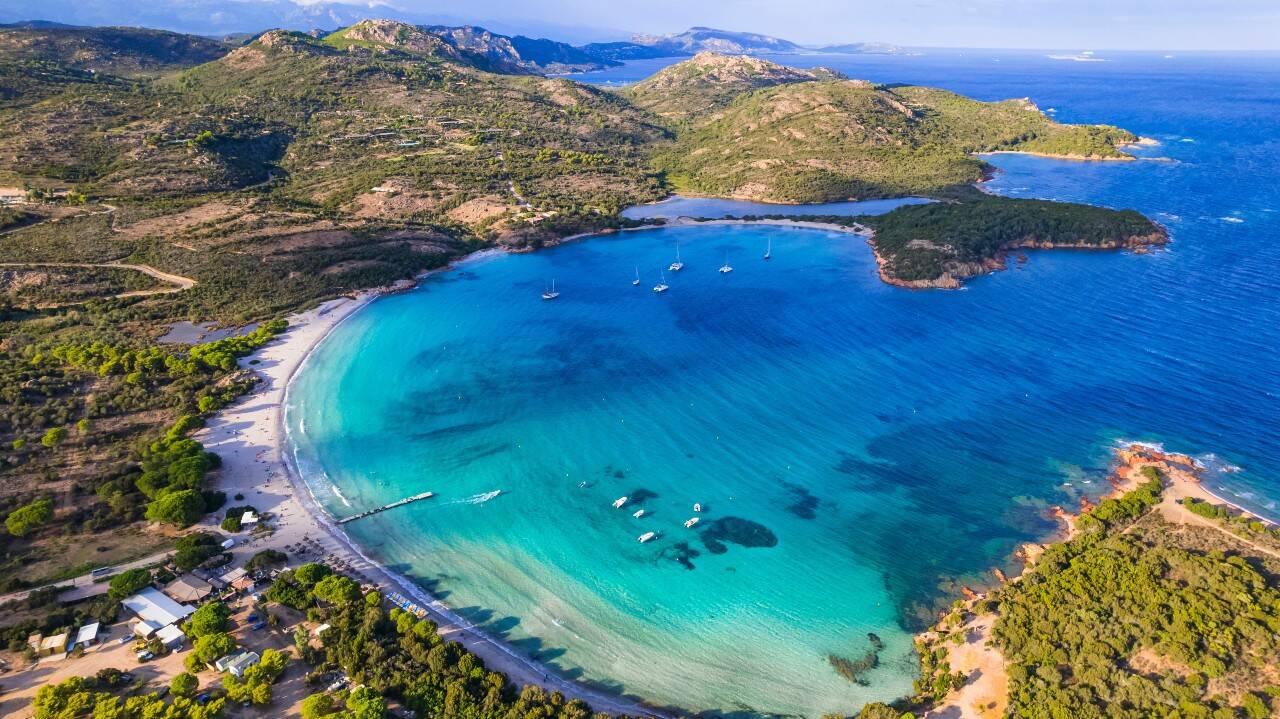
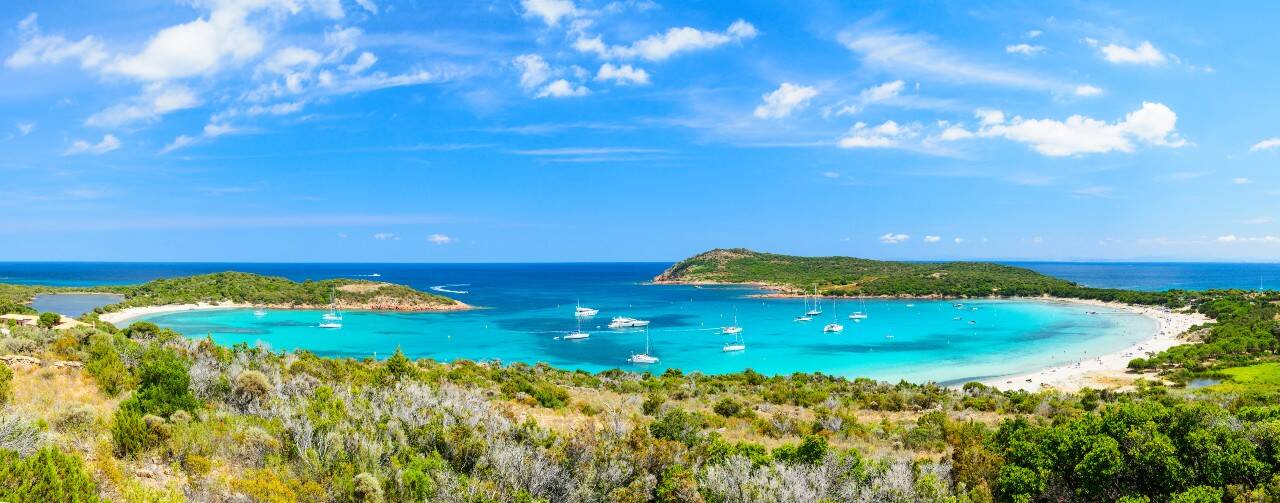
When you head southeast from Bonifacio, you’ll come across the Lavezzi archipelago. It looks a bit like Jurassic Park out there. Huge granite boulders, white sand, and water so clear you can see every pebble on the bottom. Just be careful with navigation—there are more underwater reefs here than there are tourists in August. Another stop you can’t miss is Rondinara Bay. It’s shaped like a perfect horseshoe, and anchoring there is simply magical.
Corsican Cuisine: What to Try in the Local Harbors
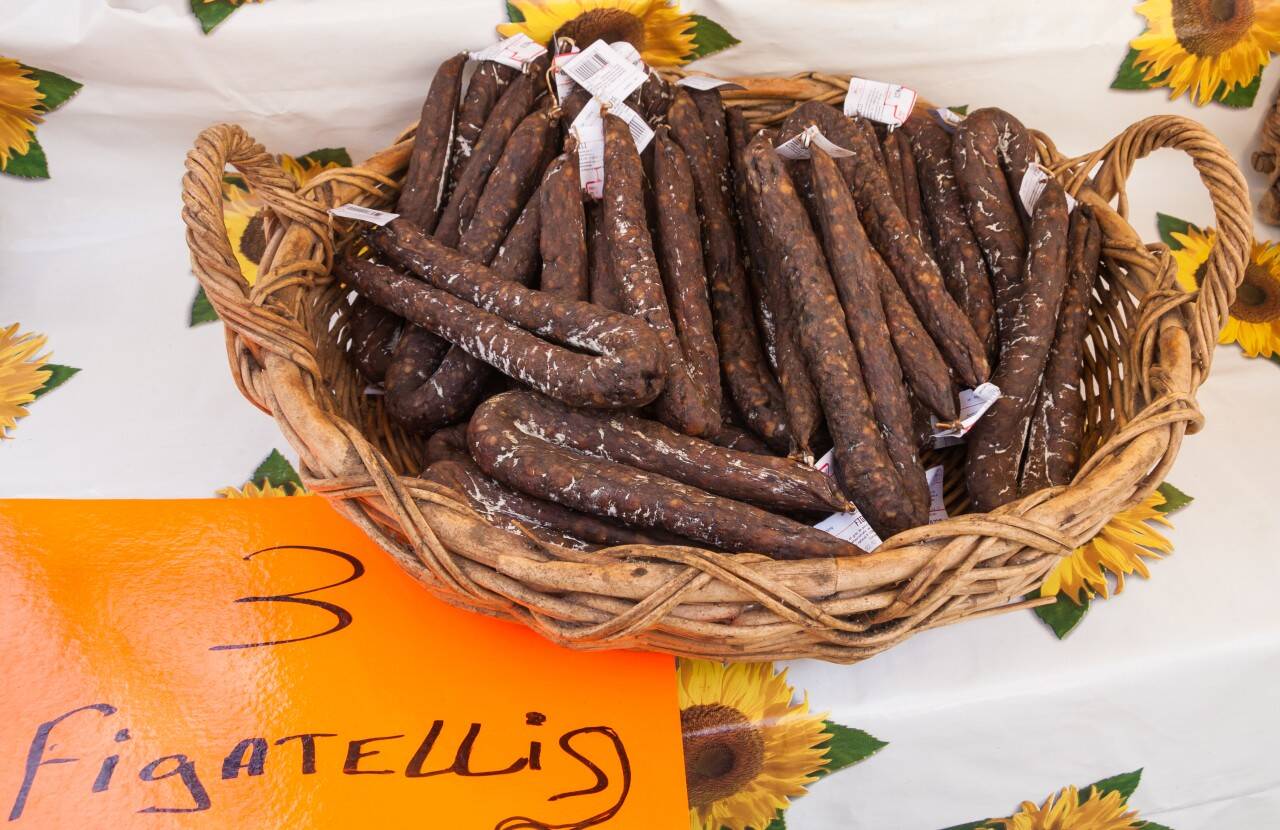
You’d expect that on an island, people would mainly eat fish. Wrong! Corsicans are originally mountain dwellers and herders. Their cuisine is hearty, meaty, and incredibly good. Wild boar sausages (figatella), rich cheeses (brocciu), and strong local wine to go with it. Sometimes I wonder why J. K. Tyl didn’t set the answer to the question “Where is my home?” at least on the Adriatic, but after tasting Corsican wild boar in wine, I actually wish them both the sea and the mountains.
Practical Tips for Safe Anchoring and Navigation
There’s one golden rule in Corsica: a weather app is your best friend. Check it in the morning, at noon, and in the evening.
Depth and rocks: The Corsican coastline is treacherous. Rocks often lurk just below the surface. Study the charts and don’t rely solely on GPS.
Anchoring: Most coves have sandy bottoms where the anchor holds perfectly. But as soon as the wind picks up, make sure you’ve let out enough chain.
Reservations: If you want to enter a harbor (such as in Bonifacio), arrive early in the afternoon or reserve a spot in advance.
Corsica isn’t a destination for those who just want to lie around and do nothing. It’s an island that will draw you in, sometimes test you with the wind, but ultimately reward you with such views and experiences that you’ll want to come back. So weigh anchor, hoist the sails, and let yourself drift. Fair winds!

Lagoon 52 Takamaka
-
Year 2016
-
Cabins 6
-
Persons 12 + 2
-
WC 6
-
Length 52 ft
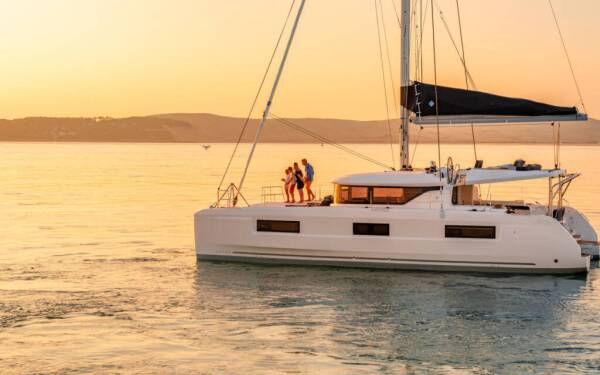
Lagoon 46 Bula
-
Year 2023
-
Cabins 4 + 2
-
Persons 8 + 2 + 2
-
WC 4
-
Length 46 ft
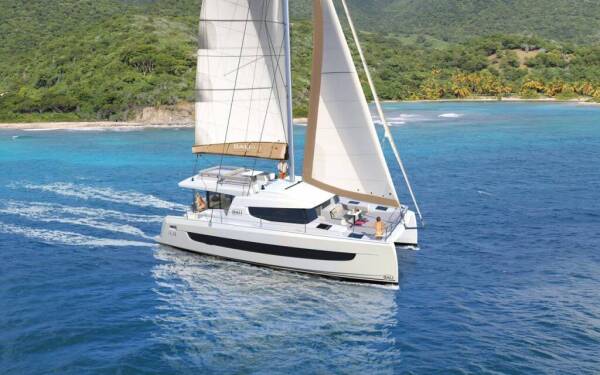
Bali 4.4 Scout
-
Year 2026
-
Cabins 4 + 2
-
Persons 8 + 2
-
WC 4
-
Length 44 ft

Nautitech 40 Open Krazadeen
-
Year 2014
-
Cabins 4
-
Persons 8 + 2
-
WC 2
-
Length 39 ft

Oceanis 50 Calypso
-
Year 2007
-
Cabins 3
-
Persons 6 + 1
-
WC 2
-
Length 50 ft
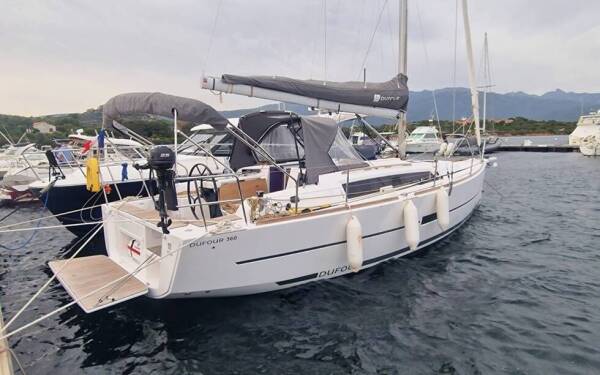
Dufour 360 GL Dzama
-
Year 2022
-
Cabins 3
-
Persons 6 + 2
-
WC 1
-
Length 35 ft

Lagoon 42 Take It Easy 2
-
Year 2025
-
Cabins 4 + 2
-
Persons 8 + 2
-
WC 4
-
Length 42 ft

Lagoon 46 Divan
-
Year 2023
-
Cabins 4 + 2
-
Persons 8 + 2 + 2
-
WC 4
-
Length 46 ft
Latest from Blog

The Art of Mooring a Boat: Common Mistakes and How to Avoid Them
Becoming an experienced captain isn’t just about knowing how to handle the sails or stay on course. The real test comes when you’re approaching a pier, a buoy, or a marina. Why? Because anchoring and mooring a boat is the discipline where things most often go wrong—and often result in damaged fenders, keels, and the crew’s nerves. Let’s take a look at how to moor like a pro and avoid the most common mistakes.
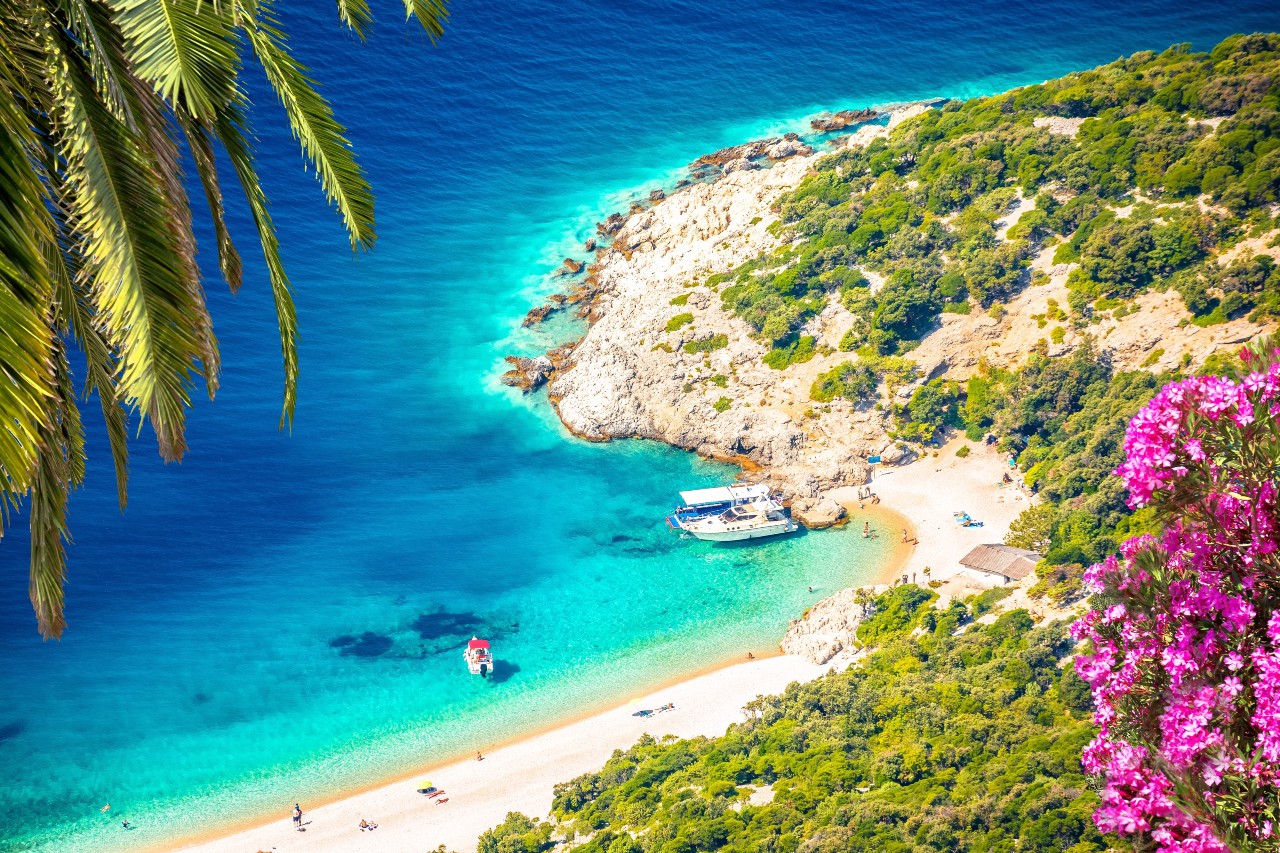
Peace, quiet, and the endless sea: The magic of a boat vacation
Do you remember that vacation you came back from more exhausted than when you left? The line for breakfast, the loud entertainers by the pool, and the never-ending battle for a lounge chair—which felt more like a morning supermarket clearance sale than a well-deserved break? I certainly do. And I’m far from the only one who said to myself, “Never again.”
Trends are changing. And they’re changing dramatically. Welcome to an era where simple silence is becoming the greatest luxury.
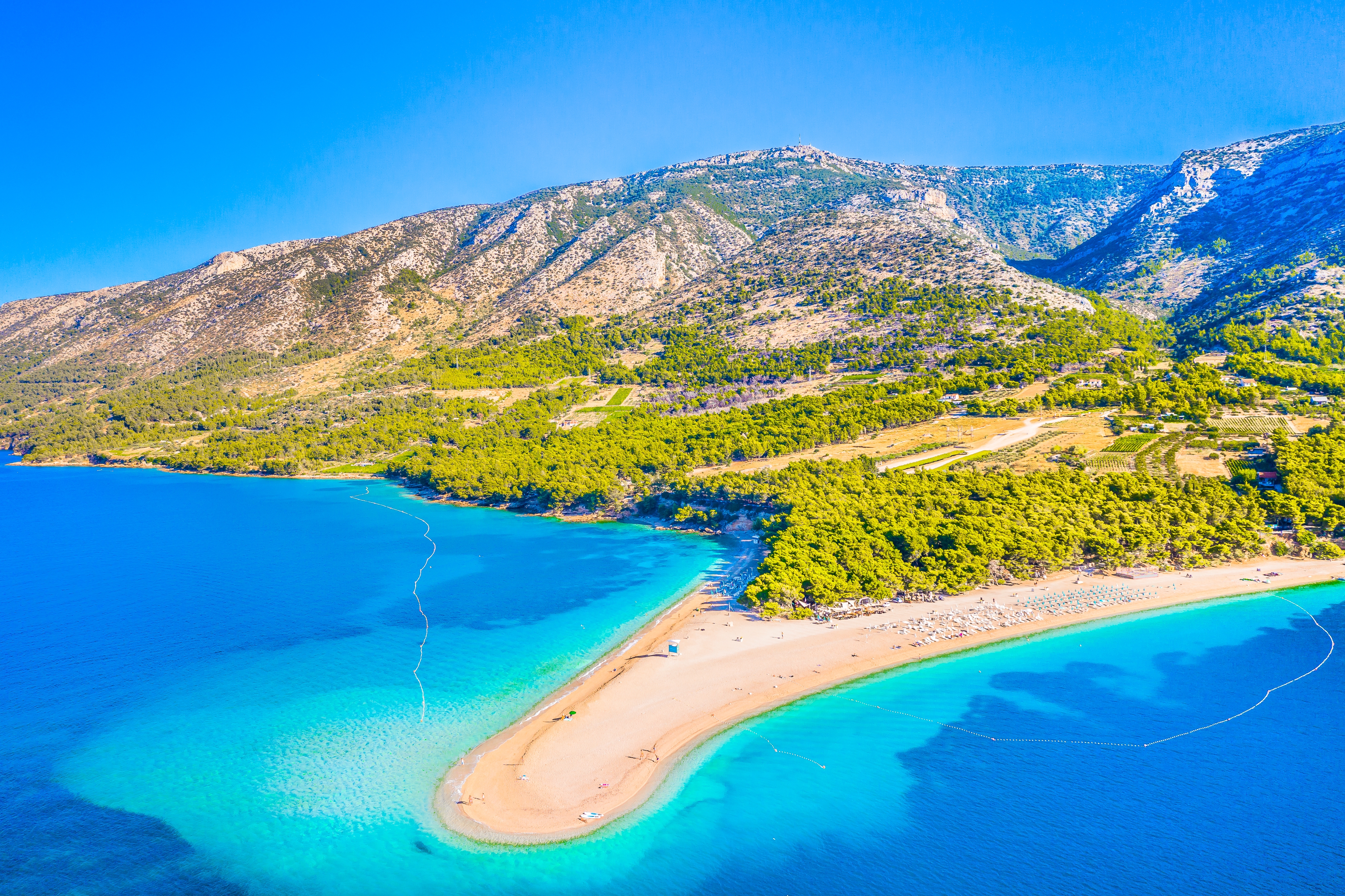
Where are the best places to swim on the Adriatic? A Guide for Sailors
Croatia is close by, with crystal-clear waters, a rugged coastline, and thousands of islands glistening on the horizon. And when you add to that the privacy of your own sailboat, which will take you exactly where you point on the map… well, tell me, can you resist? Let’s take a look together at the best places to swim in the Adriatic—and, most importantly, why yachting in Croatia is the smartest way to discover this country.

