

Sailing and freediving: The perfect harmony of wind and silence beneath the surface
Why Sailing and Freediving Are the Perfect Combination for Every Sailor
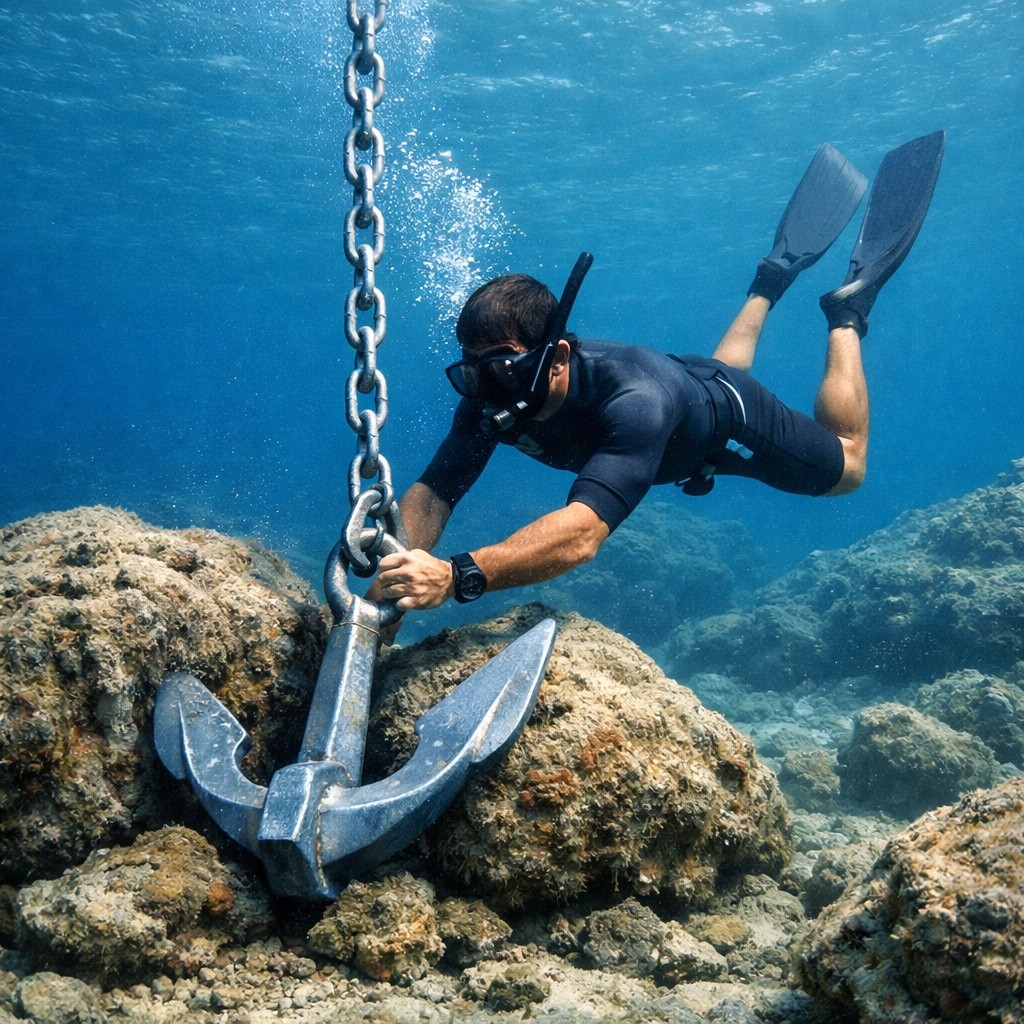
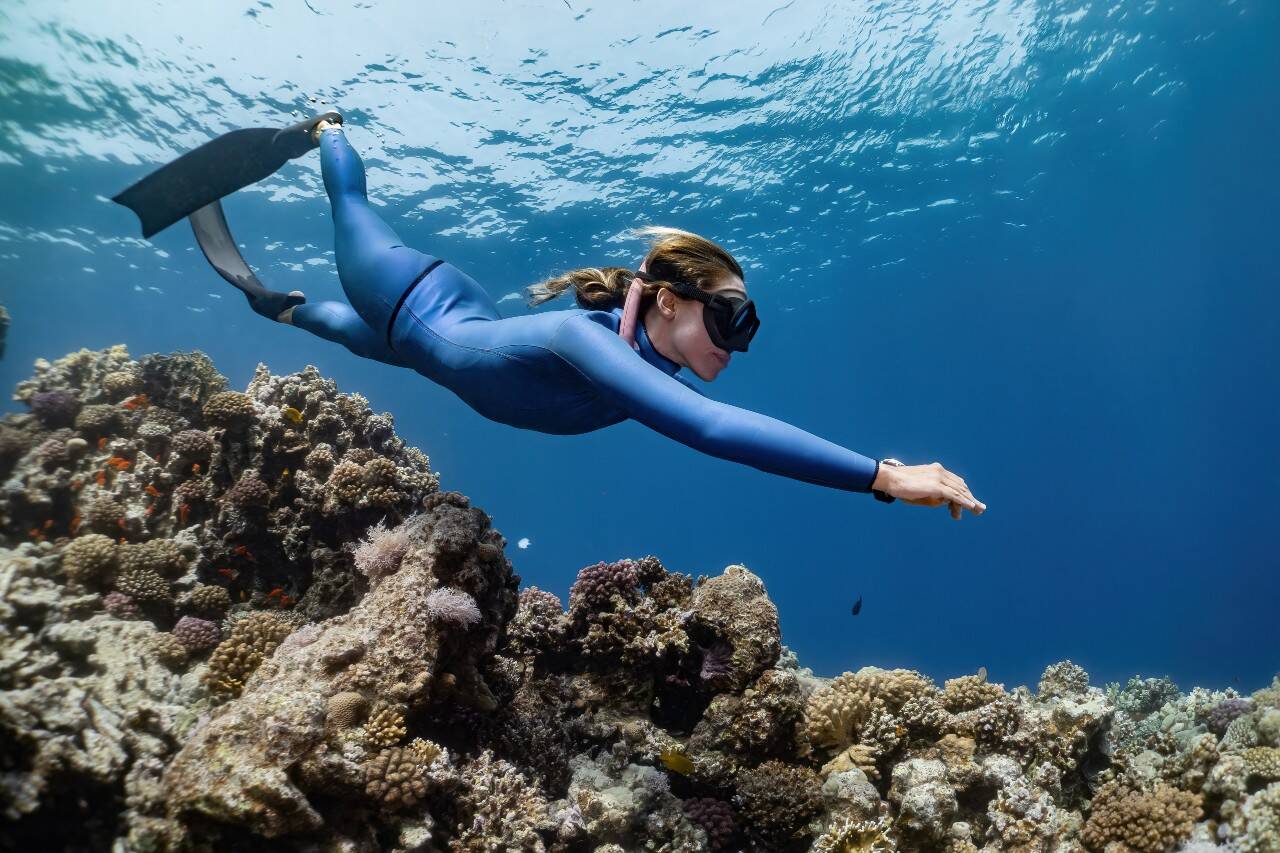
Combining sailing on the surface with diving beneath it makes perfect sense. While yachting teaches you to work with the wind and waves, freediving teaches you to work with your own body, breath, and the element of water from the other side. It is no coincidence that professional sailors from prestigious competitions regularly include freediving in their training. Freediving is not just about reaching depths, but above all about optimizing performance, safety, and the ability to function in extreme conditions where there is no room for error.
Practical Applications of Snorkeling While Sailing
During a dive, situations may arise at any time that require immediate action underwater. Without basic freediving skills, dealing with these situations can be not only difficult but also very risky.
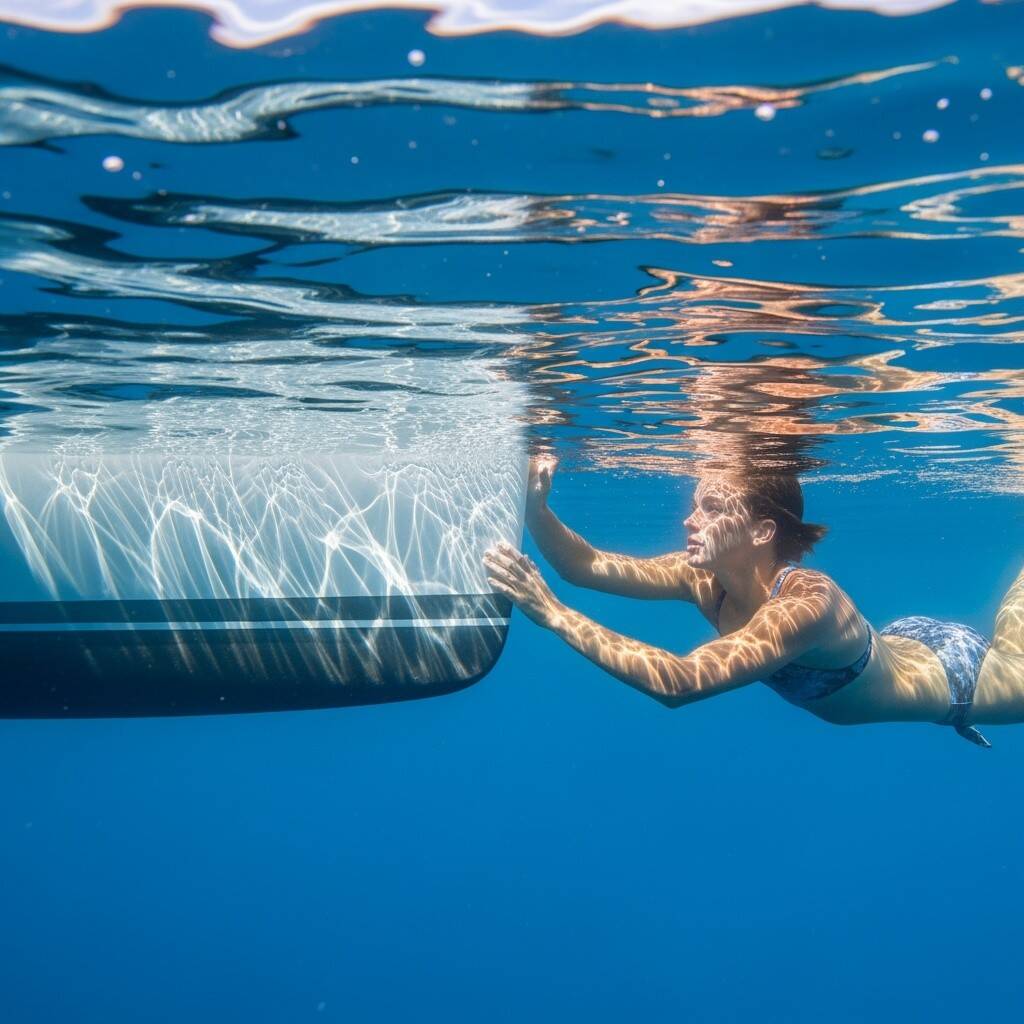
Handling underwater emergencies and hull inspection
Imagine that, in the middle of a voyage, a rope gets tangled around the propeller. For someone unprepared, this is extremely stressful. With freediving training, however, a clear plan of action takes the place of panic. You know how to prepare for a dive, how to breathe properly, how to make a plan, and how to act effectively underwater. Similarly, freediving is invaluable for regularly inspecting the hull, the rudder, or for checking for potential damage after running aground.
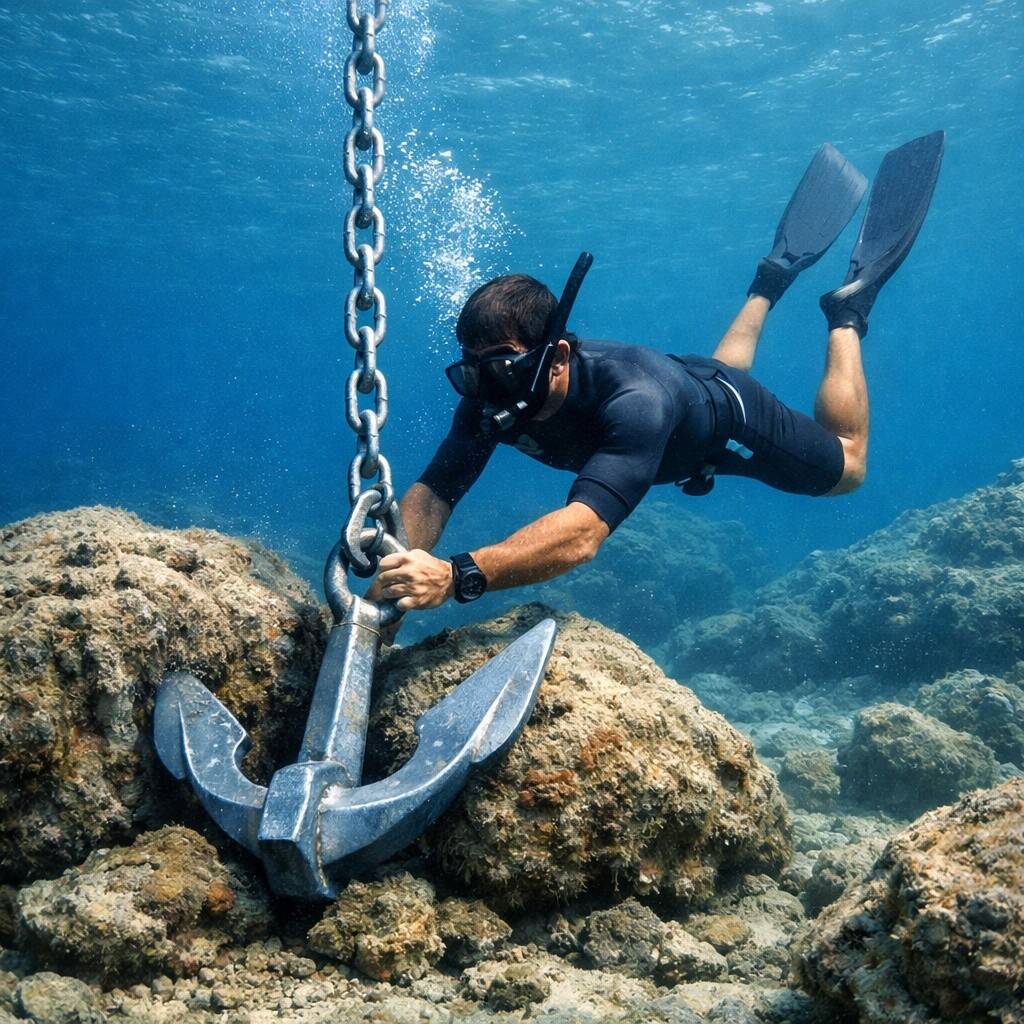
Rescuing equipment and freeing a stuck anchor
Every experienced sailor knows that the sea sometimes takes things—whether it’s expensive gear, sunglasses, or even cutlery that falls into the water while washing dishes on deck. Freediving allows you to retrieve these items easily and safely. Another very common and unpleasant situation is a snagged anchor. The ability to dive down a few meters, assess the situation, and manually release the anchor can save you a lot of time, money, and stress.
Psychological Benefits and Stress Management in Extreme Conditions
Freediving isn't just a physical activity; it's largely about working with the human mind. The sea can be unforgiving, and the ability to stay calm is often what separates success from disaster.
Breath control and lowering the heart rate
One of the main benefits of freediving is learning to manage panic. Breathing techniques teach you how to consciously lower your heart rate and calm your nervous system. As a result, you’ll panic less in stressful situations, your decision-making will be more rational, and you’ll be able to recover much more quickly after physical or mental exertion.
Building Mental Resilience for Demanding Maneuvers
When you’re underwater and relying on a single breath, you learn to function in an environment that doesn’t forgive mistakes. You’re forced to calm down and focus completely. This mental resilience then translates wonderfully back on deck. Whether you’re facing an approaching storm, a technical malfunction, or performing difficult maneuvers in a crowded harbor, freediving teaches you how to stay mentally calm and work under pressure.
Physical training and increasing lung capacity
Breathing exercises and oxygen management, which are an integral part of freediving training, significantly improve your ability to handle physical exertion. Lung capacity increases, and the body learns to use oxygen more efficiently. In addition, freediving strengthens the muscles of the entire body and increases overall endurance. This excellent physical condition is invaluable at sea, especially during long crossings or physically demanding work with sails and ropes.
Discovering the beauty of the underwater world from the deck of a boat
Yachting often takes you to secluded coves, near stunning coral reefs, shipwrecks, and areas teeming with marine life. It would be a shame to stay only on the surface. Freediving opens the door to underwater exploration. Instead of just snorkeling and swimming on the surface, you can gracefully and quietly peer into the depths, glide through schools of fish, and discover nature’s hidden beauty in its purest form.
What a freediving course designed for sailors has to offer
If you decide to take your skills to the next level, a specialized freediving course will provide you with exactly what you’ll need on a boat:
- Breath-holding and breath control: You’ll master techniques used by professional athletes and learn how to extend your time underwater while minimizing the risk of exhaustion.
- Safety rules: You’ll learn how to dive safely, how to minimize risks, and how to protect and rescue yourself and other crew members if necessary.
- Practical scenarios: Instructors will prepare you in a safe environment for real-life situations in yachting—from freeing a rope from the propeller to retrieving lost equipment.
A deeper connection with the sea through calm and breath
Sailing and freediving create a synergy that will not only make you a better and safer sailor, but also a more balanced person. Freediving offers practical crisis management skills, improves physical fitness, and builds unbreakable mental resilience. If these techniques help professionals in competitions like the America’s Cup, imagine the calm and confidence they can bring to your sailing trips. Learn to breathe properly, stay focused, and handle difficult situations with composure. This will open the door to a much deeper and safer connection with the sea and with yourself.
Latest from Blog

The Art of Mooring a Boat: Common Mistakes and How to Avoid Them
Becoming an experienced captain isn’t just about knowing how to handle the sails or stay on course. The real test comes when you’re approaching a pier, a buoy, or a marina. Why? Because anchoring and mooring a boat is the discipline where things most often go wrong—and often result in damaged fenders, keels, and the crew’s nerves. Let’s take a look at how to moor like a pro and avoid the most common mistakes.
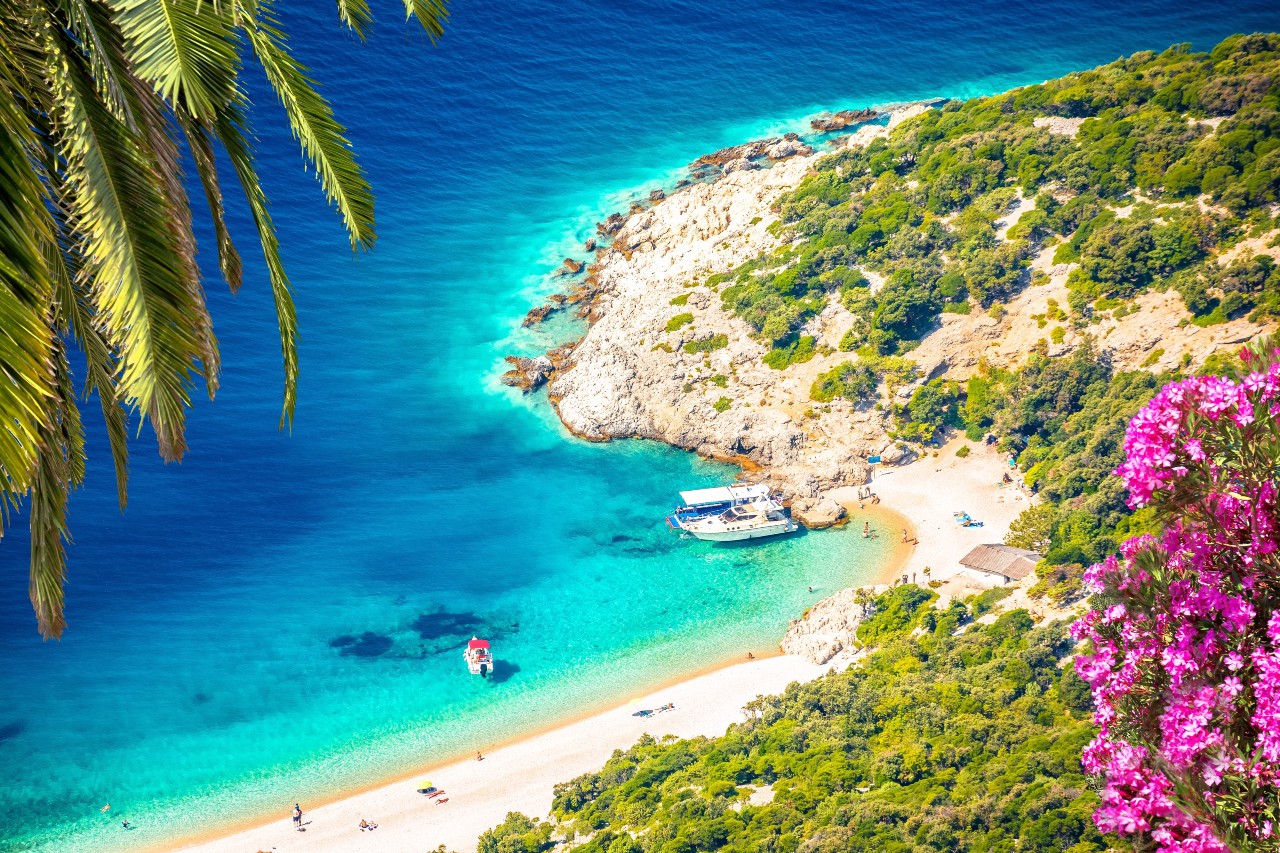
Peace, quiet, and the endless sea: The magic of a boat vacation
Do you remember that vacation you came back from more exhausted than when you left? The line for breakfast, the loud entertainers by the pool, and the never-ending battle for a lounge chair—which felt more like a morning supermarket clearance sale than a well-deserved break? I certainly do. And I’m far from the only one who said to myself, “Never again.”
Trends are changing. And they’re changing dramatically. Welcome to an era where simple silence is becoming the greatest luxury.
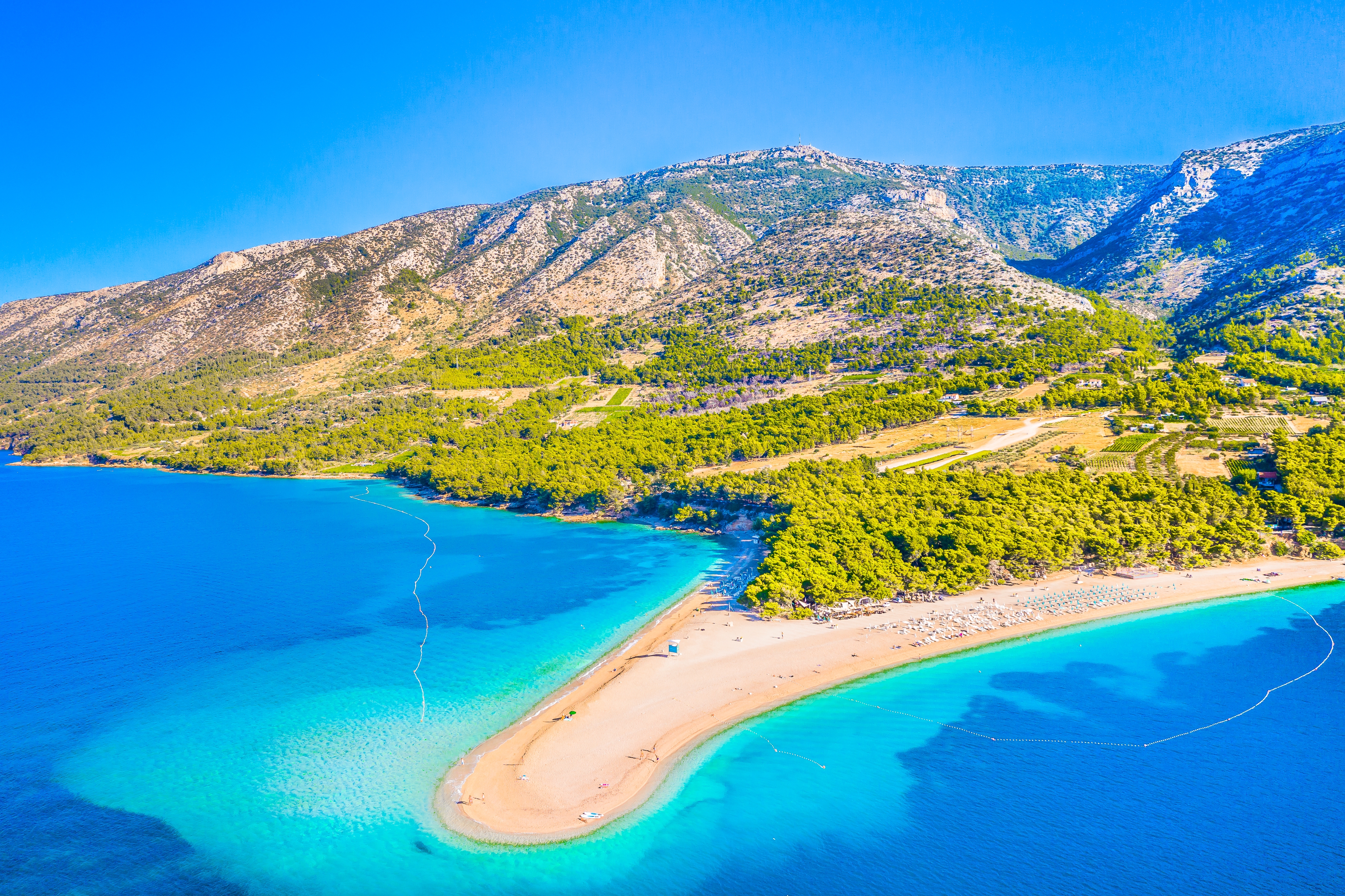
Where are the best places to swim on the Adriatic? A Guide for Sailors
Croatia is close by, with crystal-clear waters, a rugged coastline, and thousands of islands glistening on the horizon. And when you add to that the privacy of your own sailboat, which will take you exactly where you point on the map… well, tell me, can you resist? Let’s take a look together at the best places to swim in the Adriatic—and, most importantly, why yachting in Croatia is the smartest way to discover this country.

