

Yachting and Meltemi: How to prepare for the unforgiving Greek wind

What is Meltemi and why is it crucial for sailing in Greece?
Imagine the dry, relentless north wind that sweeps across the Aegean in summer. That's Meltemi. It's not just any breeze. It's a force that affects absolutely everything - from whether the ferries even sail to whether you can keep your hat on at the beach. For sailors, then, it's an absolutely crucial factor. While in the Ionian Sea you enjoy a rather leisurely sail, in the Aegean it is the Meltemi that sets the pace. Ignore him? It's like teasing a snake with your bare feet.

History and origins of the Greek wind
Meltemi is no newcomer. It was known to the ancient Greeks, who called it etesios, or "annual wind", because it reliably returned at the same time every year. It's even the same wind that Homer holds responsible for Odysseus' ten-year journey home from Troy. Who knows, if the wind had blown a little less back then, the Odyssey might have been a few chapters shorter.
The origins of the modern name are disputed. One theory says it comes from the Latin mal tempo (bad weather), which would make sense. The other, somewhat ironically, derives it from the Turkish meltem (light breeze). Given that meltemi can blow with a force that makes you feel like someone is stealing the skin off your face, "light breeze" is a pretty apt euphemism.
Characteristics and behaviour of Meltemi
How is Meltemi formed and when does it blow?
Meltemi is not just a random gust. It is the result of a stable system of a pressure low that settles over Turkey in summer and a pressure high over the Balkans. This pressure difference then generates a strong and persistent northerly flow across the Aegean Sea.
It appears at the end of May and blows until the end of September, with its greatest 'gusts' in July and August. Typically, the wind starts in the morning, peaks in the afternoon and should diminish at night. But beware, don't rely on this rule! I once planned a night sail myself, hoping for a break from the wind, and it did just the opposite - it picked up and showed us who was boss.
Strength and Variability
Meltemi averages between 15 and 25 knots (4-6° Beaufort) but can easily get to 35 knots (7-8° Beaufort) or more, especially in gusts. It can blow for days at a time without a break, which can completely derail your plans to return to your home marina. And while the weather is said to have become more erratic in recent years, the power of the Meltemi is unfortunately still relied upon.

Geographical impact of Meltemi on the Greek Sea
Areas most affected by Meltemi
Meltemi does not discriminate. It's all over the Aegean, but it has its favourite playground. The hardest hit are the Cyclades, the Northern Sporades and the Dodecanese islands. This is where sailing becomes an adrenaline sport. By contrast, the Gulf of Sarona near Athens is relatively sheltered thanks to the mainland, although it doesn't pay to underestimate the Meltemi here either.
Local specifics and the influence of land
Geography plays a huge role. In the straits between the islands, the wind accelerates like a highway. In the lee of the high islands, treacherous gusts and downdraughts arise, which can be stronger than in the open sea. For example, off the south-west coast of Andros, there is even a ban on sailing boats during a strong meltemi - the Greeks just got tired of constantly chasing sailors out of the water.
The wave effect is also interesting. Further from land, the wind has more time and space to pick up high but short and uncomfortable waves. Then when you go back upwind to Athens, the wind does pick up, but the waves gradually get smaller because the land doesn't allow them to "grow".

Yachting in Greece: Comparison of the Ionian and Aegean Seas
Ionian Sea: Calmer sailing conditions
To the west of mainland Greece lies the Ionian Sea. It's a paradise for relaxed sailing and family holidays. From June to September, the winds here are similar to the Croatian maestral - starting around midday, reaching a force of 2 to 5° Beaufort in the afternoon and dying down in the evening. The weather is stable, sunny and the sea calmer. Ideal for those who want to enjoy swimming in the bays and quiet evenings at anchor.
Aegean Sea: Challenges and adventures with Meltemi
To the east lies the Aegean Sea, and it's in a different league altogether. Here, the Meltemi reigns supreme. The sailing is more challenging, the distances between the islands greater and the conditions harsher. This is an area for more experienced sailors who are looking for adventure and are not afraid of a challenge.
If you only have experience from Croatia, be especially careful in the Aegean. I was once such an "ear" myself and Meltemi trained me the very first season. I have met crews who have confidently planned a week's sailing from Athens to Santorini and back. When asked how they would get back upwind, they replied, "We'll cruise that."
The reality is that cruising against 4-metre waves and 35-knot winds is more of an illusion on a charter boat. The boat starts hitting the waves, progress slows to a crawl and there is nothing to do but turn on the engine and hope. These crews usually end up on the nearest island and then the charter company comes to pick up the boat. With due enthusiasm, of course.

Sailing tactics against Meltemi
Sailing south with the wind at your back is a fairy tale, the ship flies like a kite. The problem comes on the way back north.
- Plan realistically: don't try to grab the impossible. Allow for the fact that it may take longer to return.
- Use the lee of the islands: Plan your stages to cover as much ground as possible.
- Be prepared for "naphthing": motoring against the wind and waves is no fun, but it's often the only option.
- Sail early in the morning: Take advantage of the times when the Meltemi is theoretically at its weakest.
Safety recommendations and equipment
- Keep a close eye on the weather forecast.
- Keep your boat and crew in perfect condition.
- Always reef the sails before setting sail. It is better to have smaller sails and make them bigger if necessary than the other way around.
- Secure everything on board and below deck. What isn't tied down will fly.
- Respect local warnings and prohibitions.

Benefits of Meltemi: More than just a challenge
To be fair to Meltemi, she has her bright sides. When summer temperatures in Greece soar above 40°C, the refreshing wind is a blessing. It keeps the temperature bearable and provides great visibility. Moreover, it creates absolutely ideal conditions for water sports such as windsurfing and kitesurfing.
Respect for the Meltemi is the key to a successful cruise
Sailing in the Aegean is an unforgettable experience full of wild beauty, ancient history and crystal clear waters. Meltemi is an integral part of this experience. It is not an enemy to be defeated, but a powerful force of nature to be understood and respected. If you prepare well for your cruise, plan wisely and with humility, the Aegean Sea will reward you with an adventure you will never forget. So weigh anchor, but always keep one eye on the mast and the other on the weather forecast. Happy sailing
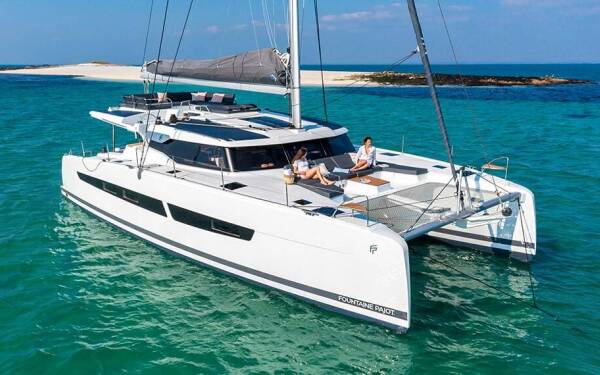
Fountaine Pajot Aura 51 Flow
-
Year 2026
-
Cabins 5 + 2
-
Persons 10 + 2
-
WC 5 + 1
-
Length 51 ft

Bali 5.4 Fortune One
-
Year 2023
-
Cabins 5 + 2
-
Persons 10 + 2
-
WC 7
-
Length 55 ft

Fountaine Pajot Aura 51 My Precious "E"
-
Year 2024
-
Cabins 5 + 2
-
Persons 10 + 2
-
WC 5 + 1
-
Length 51 ft
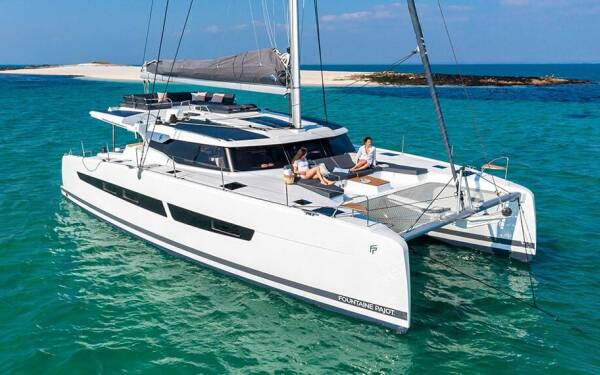
Fountaine Pajot Aura 51 Alaia
-
Year 2026
-
Cabins 6 + 1
-
Persons 12
-
WC 6
-
Length 51 ft
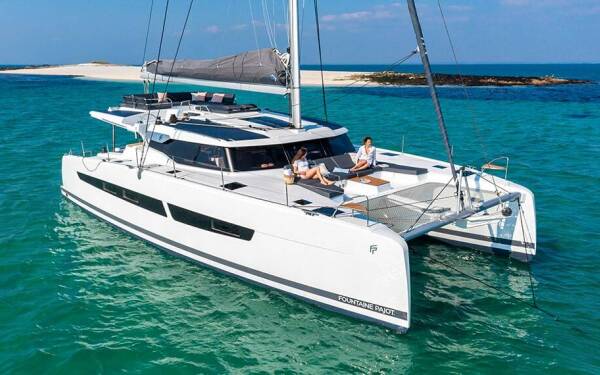
Fountaine Pajot Aura 51 The Wave
-
Year 2026
-
Cabins 5 + 2
-
Persons 10 + 2
-
WC 5 + 1
-
Length 51 ft
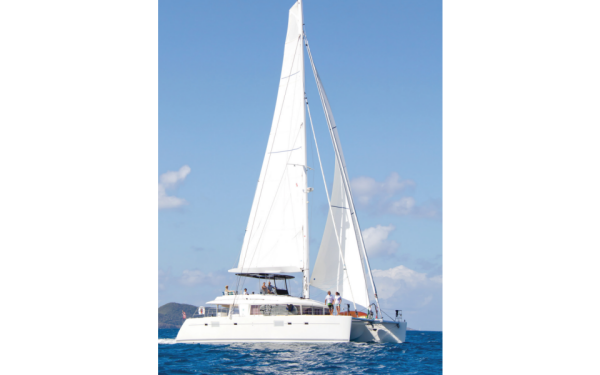
Lagoon 560 For Sail
-
Year 2016
-
Cabins 5
-
Persons 10 + 2
-
WC 5
-
Length 56 ft

Bali 5.2 Kos 52.CAT3
-
Year 2026
-
Cabins 6 + 2
-
Persons 12 + 2
-
WC 6 + 2
-
Length 52 ft
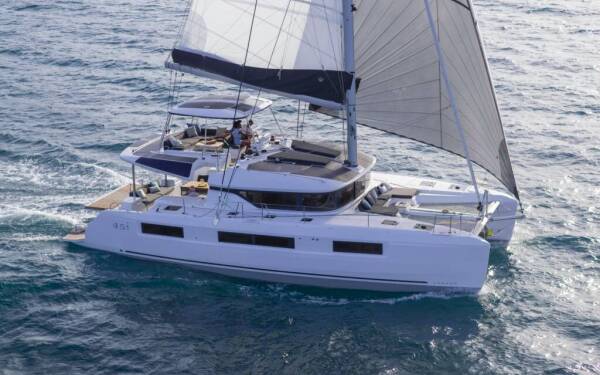
Lagoon 51 Babalu
-
Year 2024
-
Cabins 5
-
Persons 10
-
WC 4
-
Length 50 ft
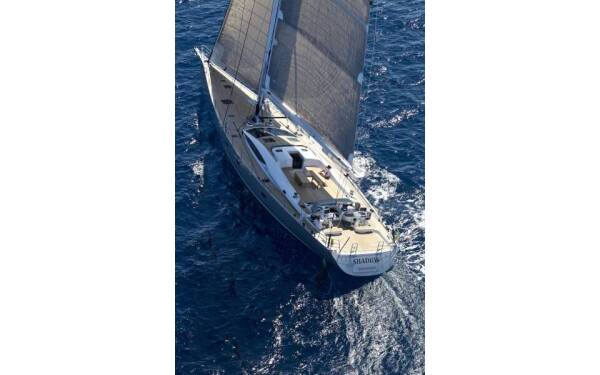
Comet 100RS Huayra
-
Year 2011
-
Cabins 4
-
Persons 8
-
WC 5
-
Length 102 ft
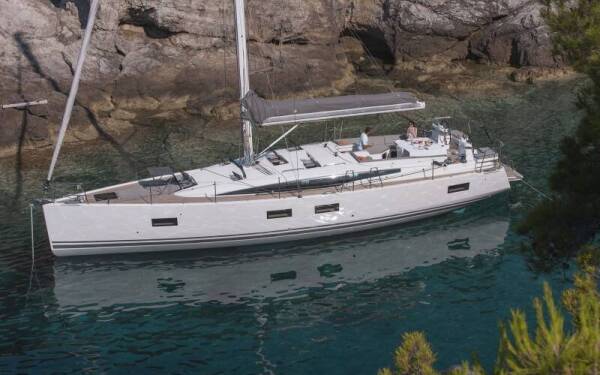
Jeanneau 54 Wise John
-
Year 2022
-
Cabins 5 + 1
-
Persons 10 + 2 + 2
-
WC 3 + 1
-
Length 53 ft
Jeanneau 54 Pelagic Sail
-
Year 2019
-
Cabins 5 + 1
-
Persons 10 + 2 + 2
-
WC 3 + 1
-
Length 53 ft

Jeanneau 54 Amazing Elli
-
Year 2018
-
Cabins 5 + 1
-
Persons 10 + 2 + 2
-
WC 3 + 1
-
Length 53 ft

Jeanneau 65 Uranos
-
Year 2023
-
Cabins 6
-
Persons 12
-
WC 5
-
Length 64 ft
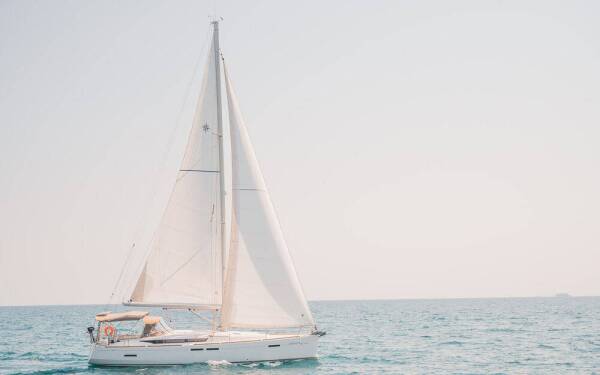
Sun Odyssey 449 Asante
-
Year 2018
-
Cabins 4
-
Persons 8 + 2
-
WC 2
-
Length 44 ft
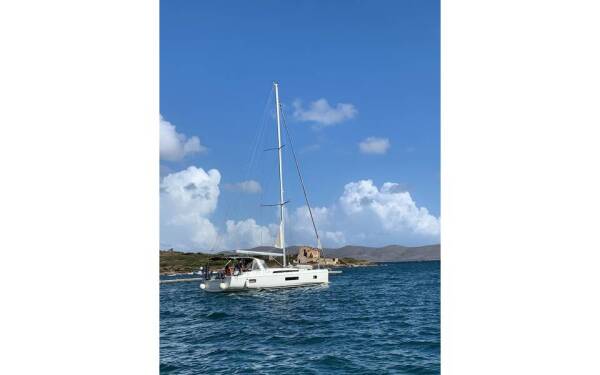
Oceanis 51.1 Aeolian Muse
-
Year 2019
-
Cabins 4 + 1
-
Persons 8 + 2 + 1
-
WC 4 + 1
-
Length 52 ft

Bavaria Cruiser 51 Gin Tonic
-
Year 2015
-
Cabins 5
-
Persons 10
-
WC 3
-
Length 51 ft
Fountaine Pajot Aura 51 Flow
-
Year 2026
-
Cabins 5 + 2
-
Persons 10 + 2
-
WC 5 + 1
-
Length 51 ft
Bali 5.4 Fortune One
-
Year 2023
-
Cabins 5 + 2
-
Persons 10 + 2
-
WC 7
-
Length 55 ft
Fountaine Pajot Aura 51 My Precious "E"
-
Year 2024
-
Cabins 5 + 2
-
Persons 10 + 2
-
WC 5 + 1
-
Length 51 ft
Fountaine Pajot Aura 51 Alaia
-
Year 2026
-
Cabins 6 + 1
-
Persons 12
-
WC 6
-
Length 51 ft
Fountaine Pajot Aura 51 The Wave
-
Year 2026
-
Cabins 5 + 2
-
Persons 10 + 2
-
WC 5 + 1
-
Length 51 ft
Lagoon 560 For Sail
-
Year 2016
-
Cabins 5
-
Persons 10 + 2
-
WC 5
-
Length 56 ft
Bali 5.2 Kos 52.CAT3
-
Year 2026
-
Cabins 6 + 2
-
Persons 12 + 2
-
WC 6 + 2
-
Length 52 ft
Lagoon 51 Babalu
-
Year 2024
-
Cabins 5
-
Persons 10
-
WC 4
-
Length 50 ft
Comet 100RS Huayra
-
Year 2011
-
Cabins 4
-
Persons 8
-
WC 5
-
Length 102 ft
Jeanneau 54 Wise John
-
Year 2022
-
Cabins 5 + 1
-
Persons 10 + 2 + 2
-
WC 3 + 1
-
Length 53 ft
Jeanneau 54 Pelagic Sail
-
Year 2019
-
Cabins 5 + 1
-
Persons 10 + 2 + 2
-
WC 3 + 1
-
Length 53 ft
Jeanneau 54 Amazing Elli
-
Year 2018
-
Cabins 5 + 1
-
Persons 10 + 2 + 2
-
WC 3 + 1
-
Length 53 ft
Jeanneau 65 Uranos
-
Year 2023
-
Cabins 6
-
Persons 12
-
WC 5
-
Length 64 ft
Sun Odyssey 449 Asante
-
Year 2018
-
Cabins 4
-
Persons 8 + 2
-
WC 2
-
Length 44 ft
Oceanis 51.1 Aeolian Muse
-
Year 2019
-
Cabins 4 + 1
-
Persons 8 + 2 + 1
-
WC 4 + 1
-
Length 52 ft
Bavaria Cruiser 51 Gin Tonic
-
Year 2015
-
Cabins 5
-
Persons 10
-
WC 3
-
Length 51 ft
Latest from Blog

The Art of Mooring a Boat: Common Mistakes and How to Avoid Them
Becoming an experienced captain isn’t just about knowing how to handle the sails or stay on course. The real test comes when you’re approaching a pier, a buoy, or a marina. Why? Because anchoring and mooring a boat is the discipline where things most often go wrong—and often result in damaged fenders, keels, and the crew’s nerves. Let’s take a look at how to moor like a pro and avoid the most common mistakes.
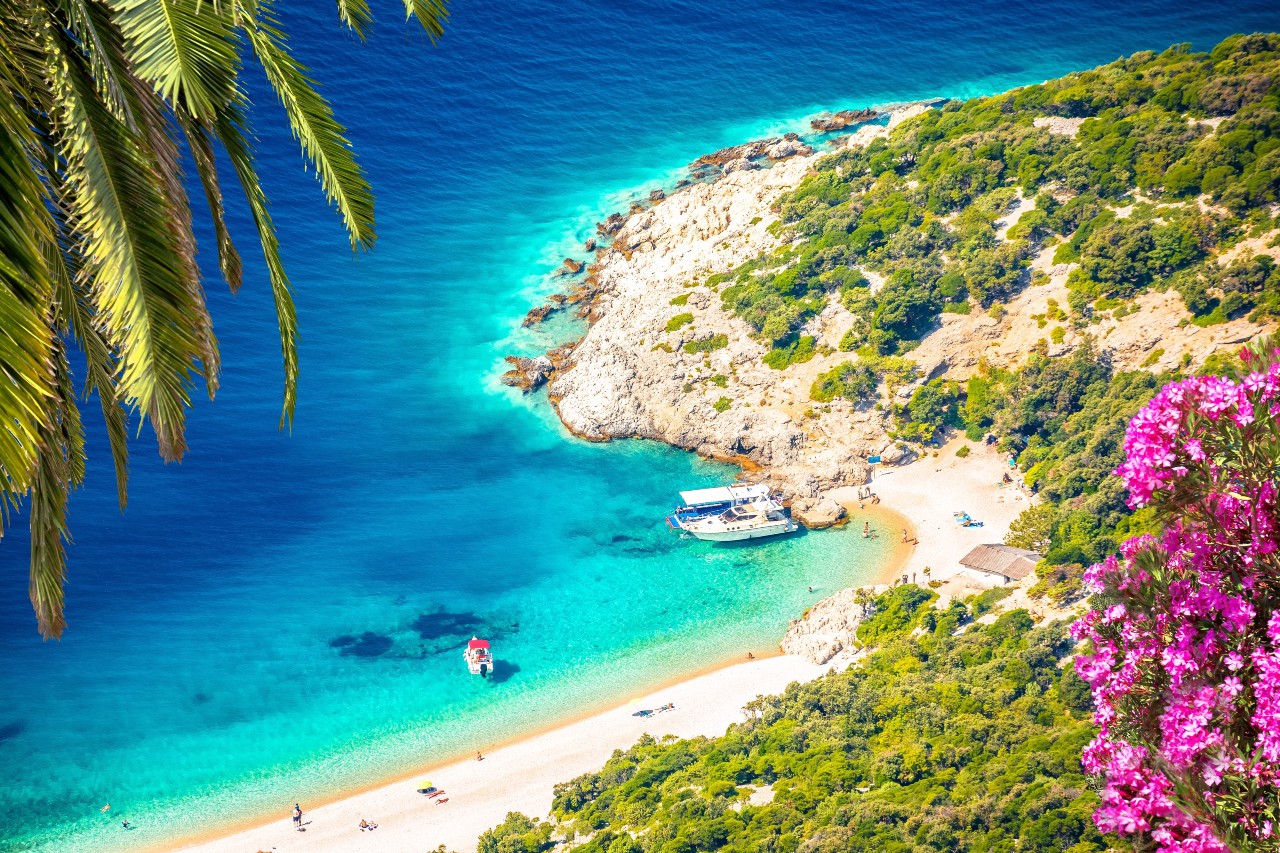
Peace, quiet, and the endless sea: The magic of a boat vacation
Do you remember that vacation you came back from more exhausted than when you left? The line for breakfast, the loud entertainers by the pool, and the never-ending battle for a lounge chair—which felt more like a morning supermarket clearance sale than a well-deserved break? I certainly do. And I’m far from the only one who said to myself, “Never again.”
Trends are changing. And they’re changing dramatically. Welcome to an era where simple silence is becoming the greatest luxury.
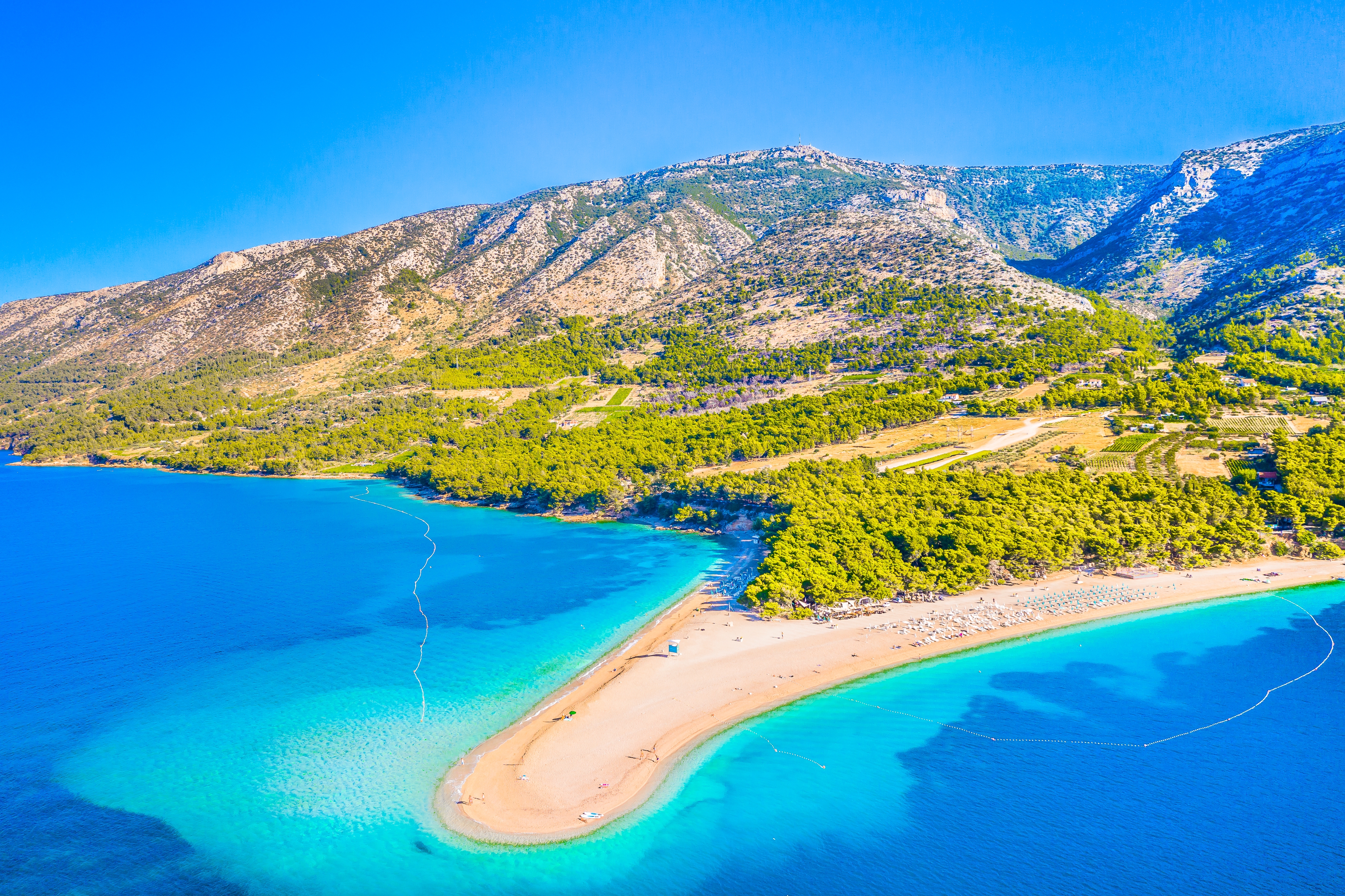
Where are the best places to swim on the Adriatic? A Guide for Sailors
Croatia is close by, with crystal-clear waters, a rugged coastline, and thousands of islands glistening on the horizon. And when you add to that the privacy of your own sailboat, which will take you exactly where you point on the map… well, tell me, can you resist? Let’s take a look together at the best places to swim in the Adriatic—and, most importantly, why yachting in Croatia is the smartest way to discover this country.

