

Safe yachting: How to respond correctly to accidents and emergencies at sea
Why safe yachting is crucial and what most often causes accidents
You may think that the greatest danger at sea is a shark or a kraken. Wrong. Statistics are relentless and boring at the same time. Most accidents do not occur like a scene from a disaster movie, where a ship breaks in half after being hit by a tsunami. No way. Most accidents are caused by a series of small, often trivial mistakes that pile up. It's called the "Swiss cheese effect" — the holes in the cheese just line up badly and the problem falls through.
And what is the main culprit? It's not technology, it's not the weather. It's the guy (or lady) who looks in the mirror in the morning. Yes, the human factor is responsible for up to 78% of all accidents. Underestimating preparation, fatigue, "one beer for lunch" or just showing off.
Most common accidents on boats and damage to property
When something happens, it's usually the boat and your wallet that take the hit. Insurance companies could tell you a thing or two about that (and they do, see data from Boatsafe).
Damage to the hull and rudder during maneuvering
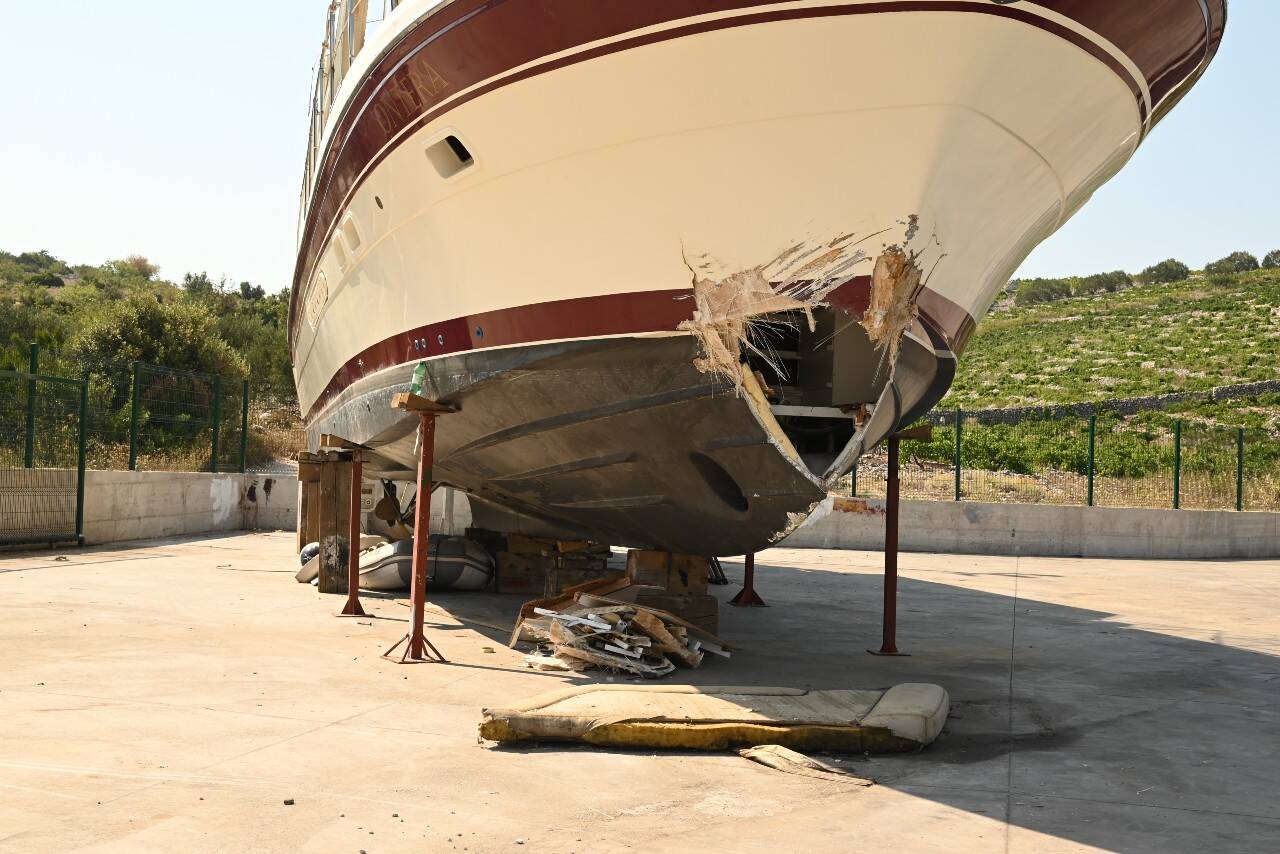
For many sailors, landing in a marina is as stressful as taking their final exams. The wind is blowing sideways, the crew is running around confused with fenders, and a "jury" from neighboring boats is sitting on the pier, evaluating your artistic impression. A moment of inattention, a stronger gust, and crunch. Scratched gelcoat is the better option.
It's much worse when you scrape the bottom. Last year, one unfortunate sailor managed to "caress" an underwater rock with his keel while exiting the navigation channel. The result? Not only did he lose his deposit, but the total damage amounted to over CZK 500,000. That hurts more than a kick to the shin. Damage to the rudder is also a classic – all it takes is to reverse and not notice a mooring rope or shoal.
Problems with sails and rigging
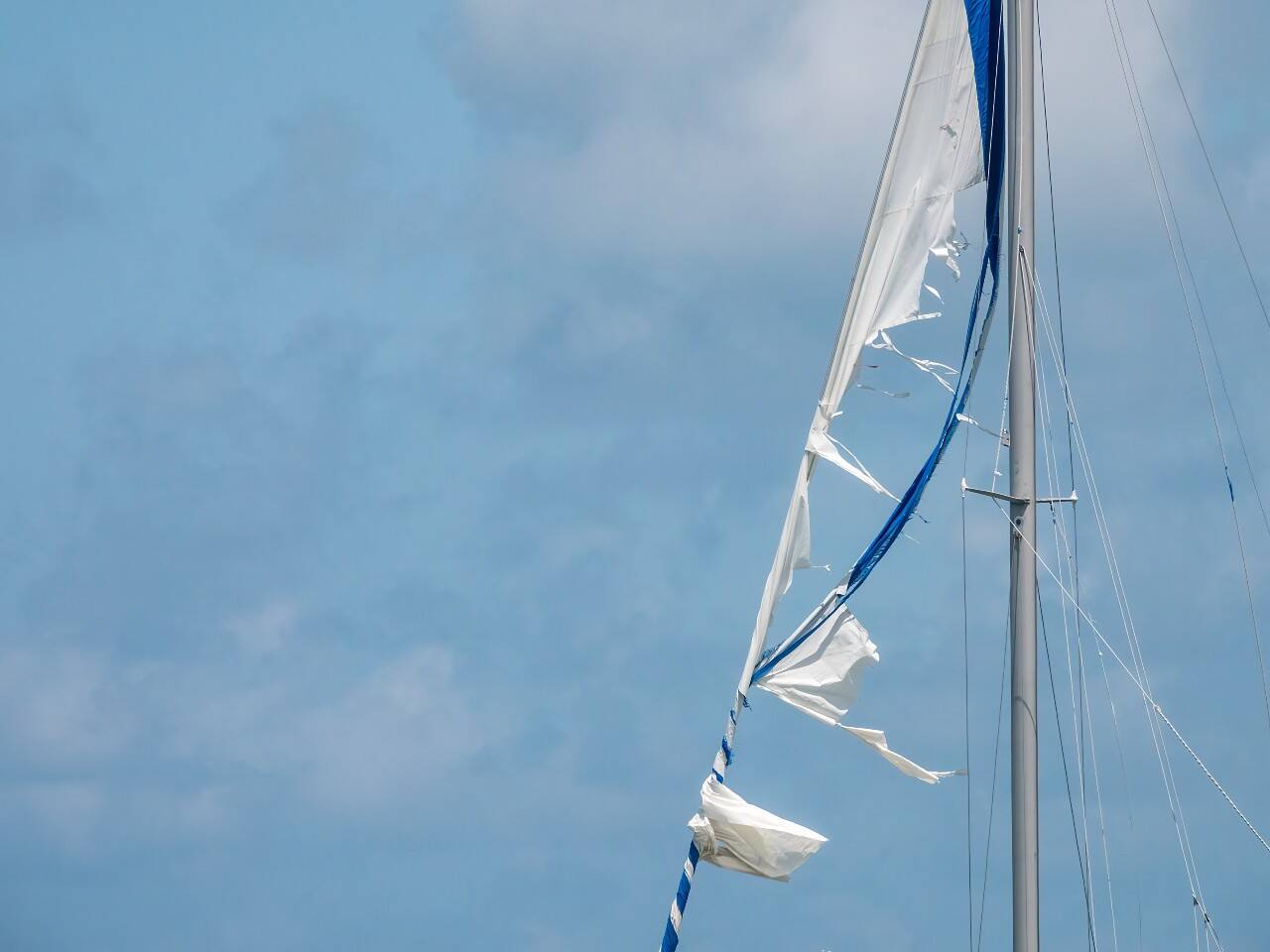
"It'll hold out, we'll repair it later." A phrase that should be carved on the gravestones of torn sails. Gennakers and genas are experts at this. All it takes is one unwanted spinout, a bad wind angle, or a sharp protrusion on the mast, and your sail becomes an expensive floor rag. Damage to a genoa typically costs around €4,000.
And then there are the masts. A mast collapse is a nightmare that unfortunately does happen. For example, near the island of Žirje, the side shroud attachment broke during a turn. Boom, crash, and the mast was lying on the deck. Fortunately, no one was hurt, but the deposit was gone.
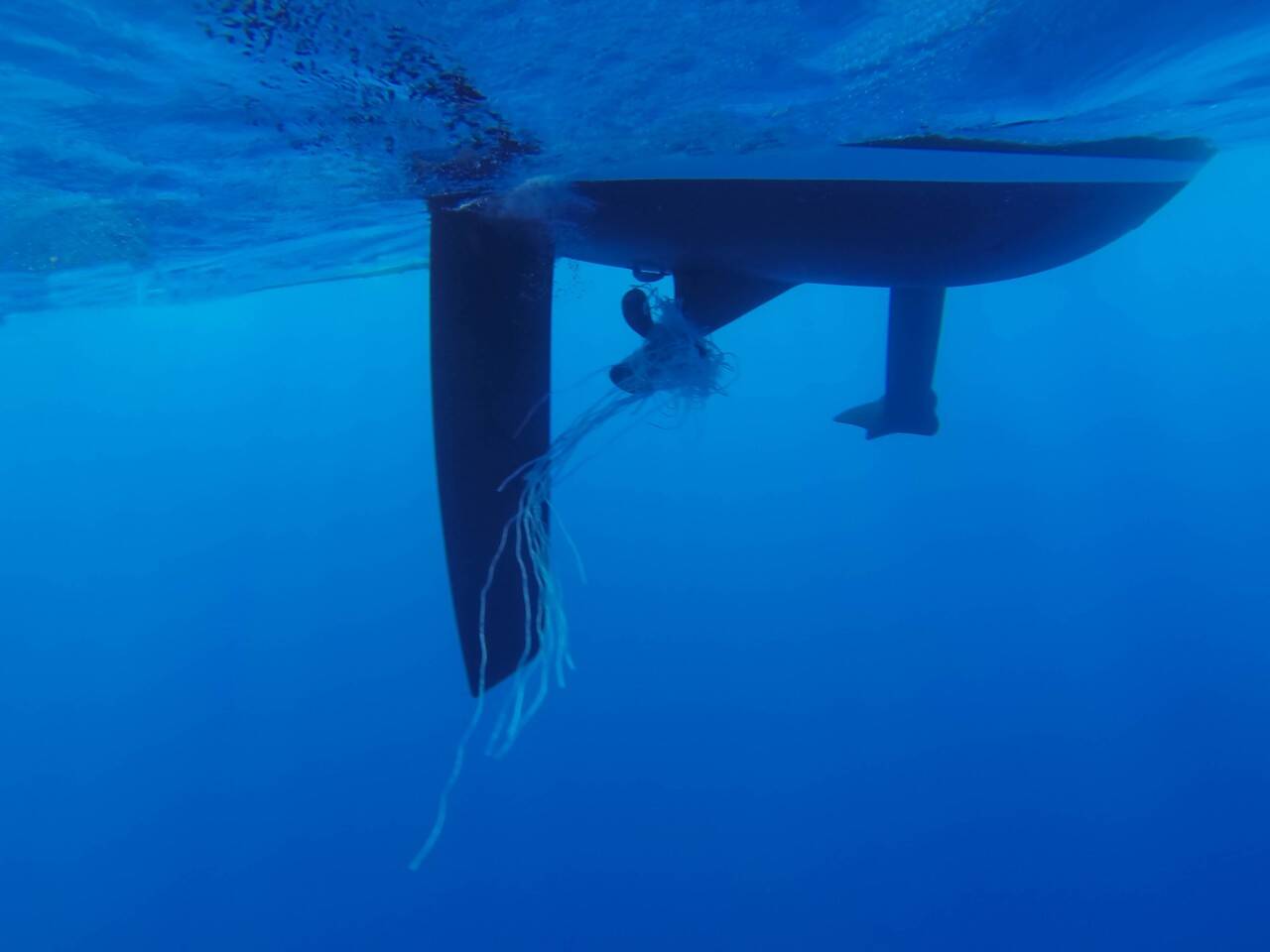
Rope wrapped around propeller and stuck anchor
This is an evergreen. You're backing up to the pier, someone throws a rope into the water before they should, and the engine goes "chrr-stop." Or you get tangled up in someone else's mooring line. Or a fishing net that you simply have no chance of seeing. It's like someone hitting you over the head with a club – the boat is uncontrollable and you pray that the wind won't blow you into the neighboring yacht.
And the anchor? It likes to get stuck just when you need to sail away quickly. Or, conversely, it doesn't hold when you're calmly having dinner, and you wake up at night to find yourself "parked" on the beach.
Emergency situations threatening the crew
So far, we've been talking about money, but now it's about health. And that's where the fun ends.
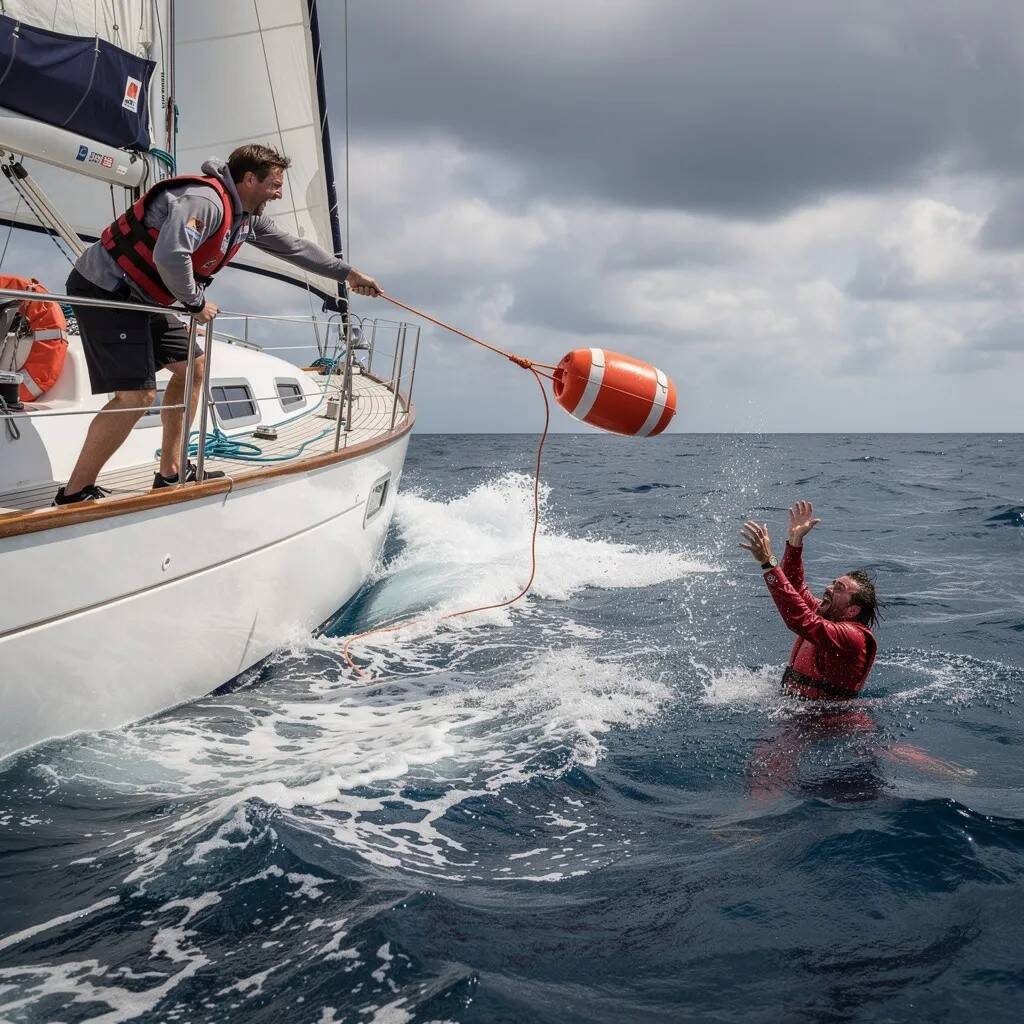
Man overboard and rescue procedures
MOB (Man Overboard) is a situation you don't want to experience. The statistics are terrifying – 58% of reported MOBs end in death. It often happens at night, in bad weather, or when someone goes overboard without a life jacket.
What to do? First and foremost, don't panic (easier said than done). Immediately shout "Man overboard!", throw everything that floats, and don't lose sight of the person. Pressing the MOB button on the GPS is fine, but your eyes are more important. And above all – prevention. Life jackets and safety lines are not for cowards, but for those who want to return home.
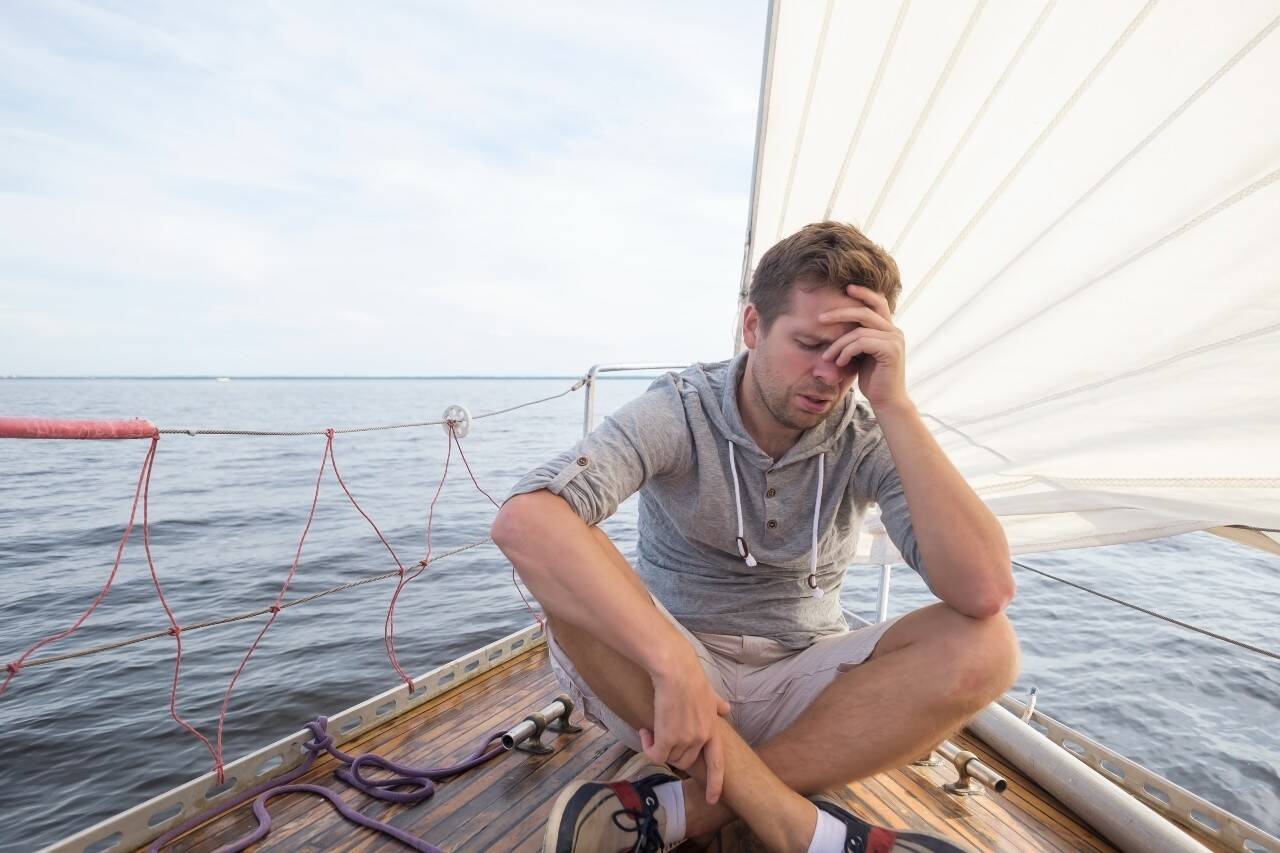
Health complications and prevention of seasickness
Seasickness may not (usually) kill you, but it can turn a tough sailor into a miserable wreck who wishes they were dead. "Feeding the fish" over the railing puts a crew member out of action, which can be a problem if they happen to be the only one who knows how to steer.
Other risks? Dehydration, sunstroke (the sun at sea bakes like a microwave) and injuries. A broken finger in a hatch or a burn from a stove when the ship hits a wave are, unfortunately, a common reality.
Technical faults and dangers on the high seas
A ship is a complex machine, and Murphy's laws apply to it without fail. Anything that can go wrong will go wrong.
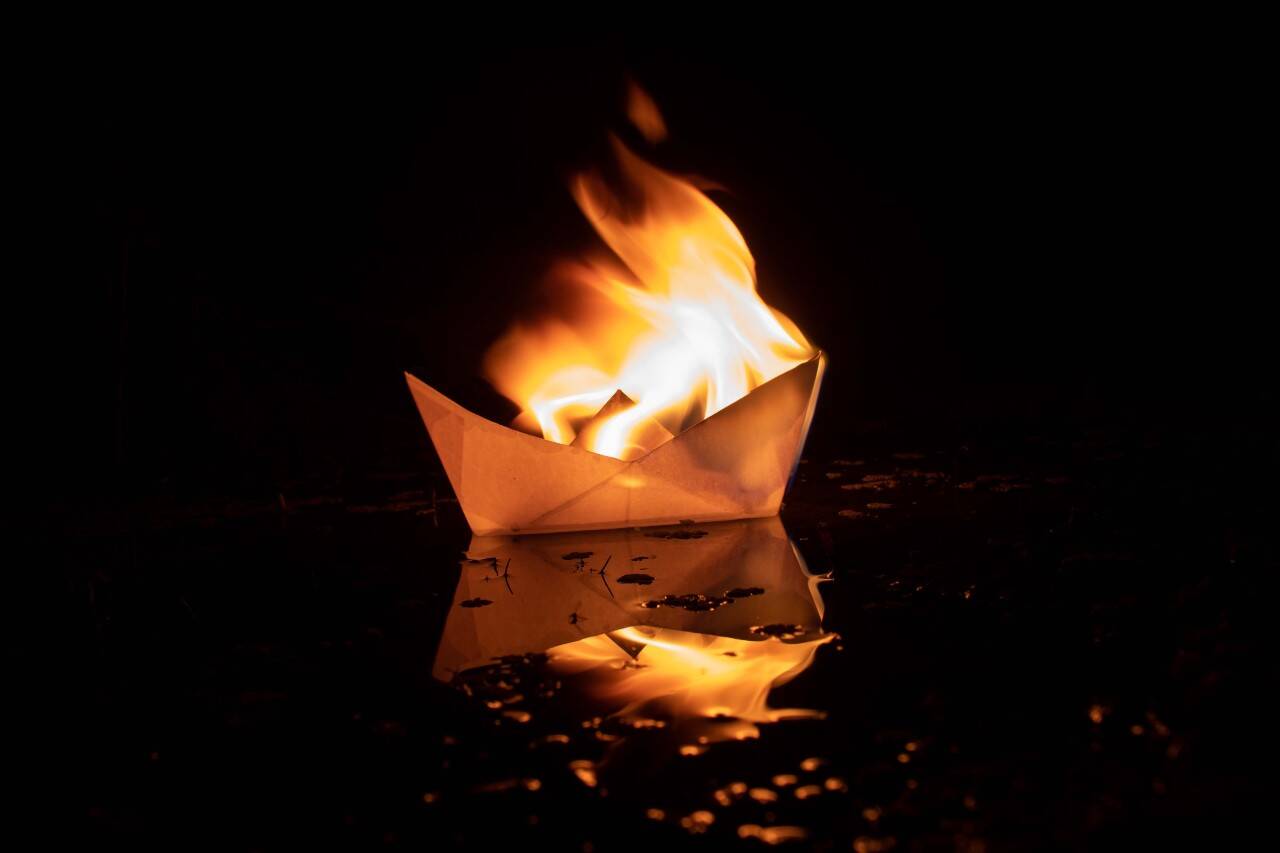
Fire on board and loss of control
Fire on a fiberglass boat is hell. It burns quickly and is toxic. The cause is usually electricity or gas. But more often it is loss of control. Imagine the situation: you are sailing into a bay, the wind is 30 knots, the waves are huge, and suddenly the engine goes quiet.
That's exactly what happened to a yachtsman off the island of Serifos. A 45-knot gust drove him onto the rocks, and the engine couldn't handle it (the water was so choppy that the propeller couldn't grip). What now? Do you crouch like a beast and wait for the impact? No. They pulled out a piece of the jib, the boat caught the wind, and they maneuvered out of it. A cool head and sailing knowledge save ships.
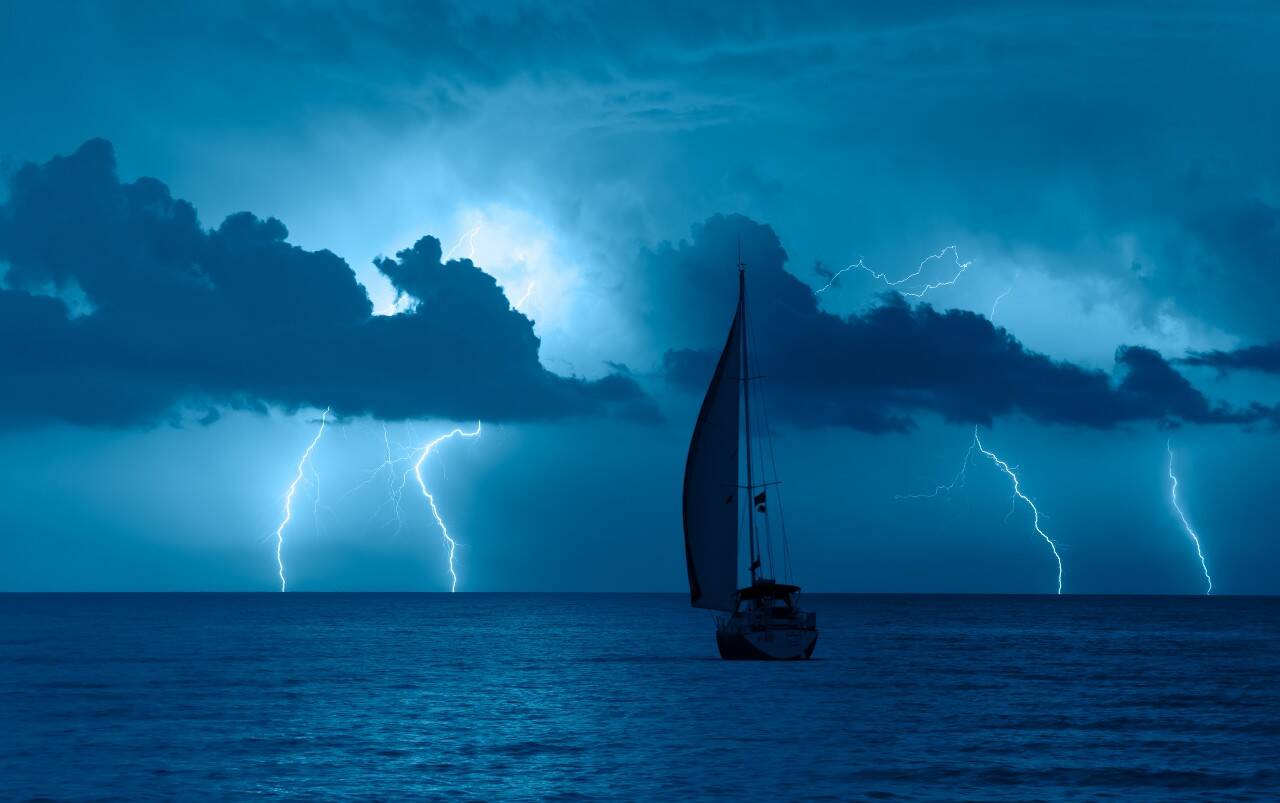
Risks associated with weather and lightning
Lightning is a nasty thing. When it hits the mast, it usually "fries" all your electronics. Suddenly you're without GPS, without a radio, without an engine. Darkness and silence. And storms? They come quickly and don't forgive mistakes. Watching the clouds and the barometer isn't retro, it's a necessity.
-
-
Specifics and risks of sailing along the coast
Many beginners think, "I'll stay close to shore, it's safe there." Wrong! On the open sea, you have time and space. Near the shore, you have rocks, shallows, and treacherous waves.
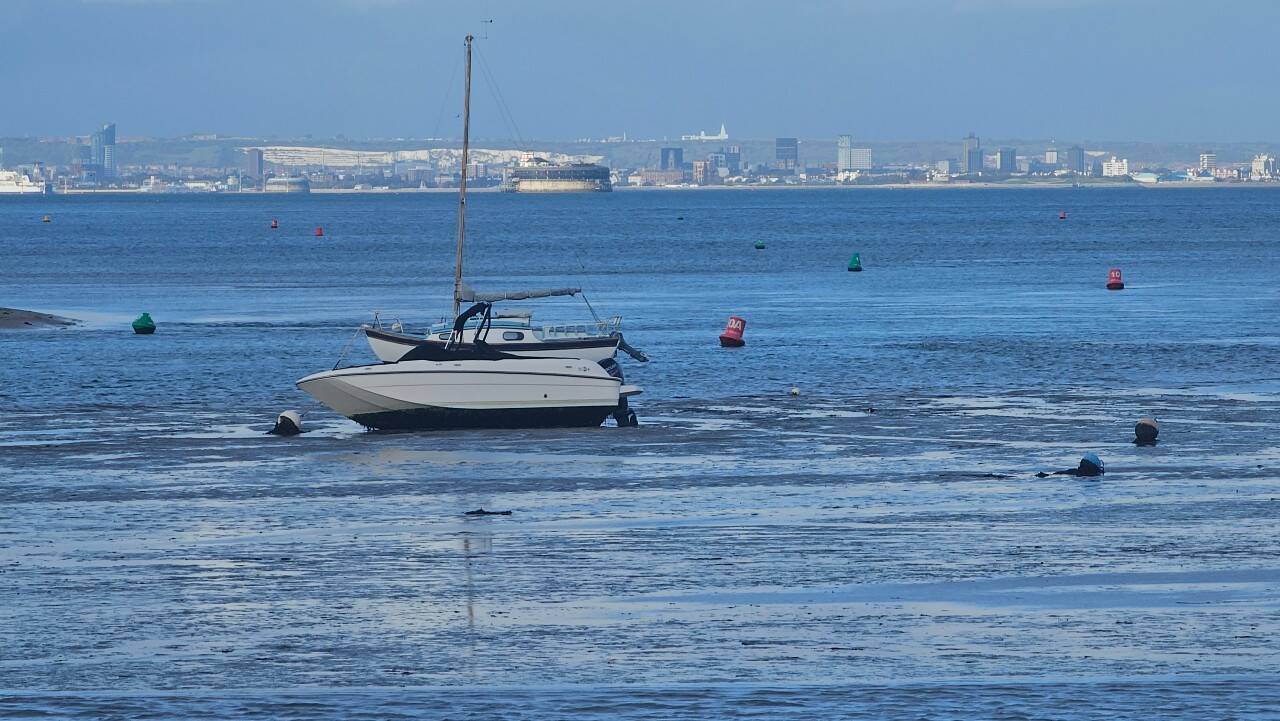
Navigation hazards and treacherous shoals
Electronic maps are great, but they are not omnipotent. If you don't zoom in on your plotter, you simply won't see a small reef. And a paper map? It doesn't lie, but you have to look at it. Sometimes the bottom changes after a storm – where there was 3 meters last year, there is now a sand dune. Blindly relying on the fact that "I know this area" is a road to hell (or to shallow water).
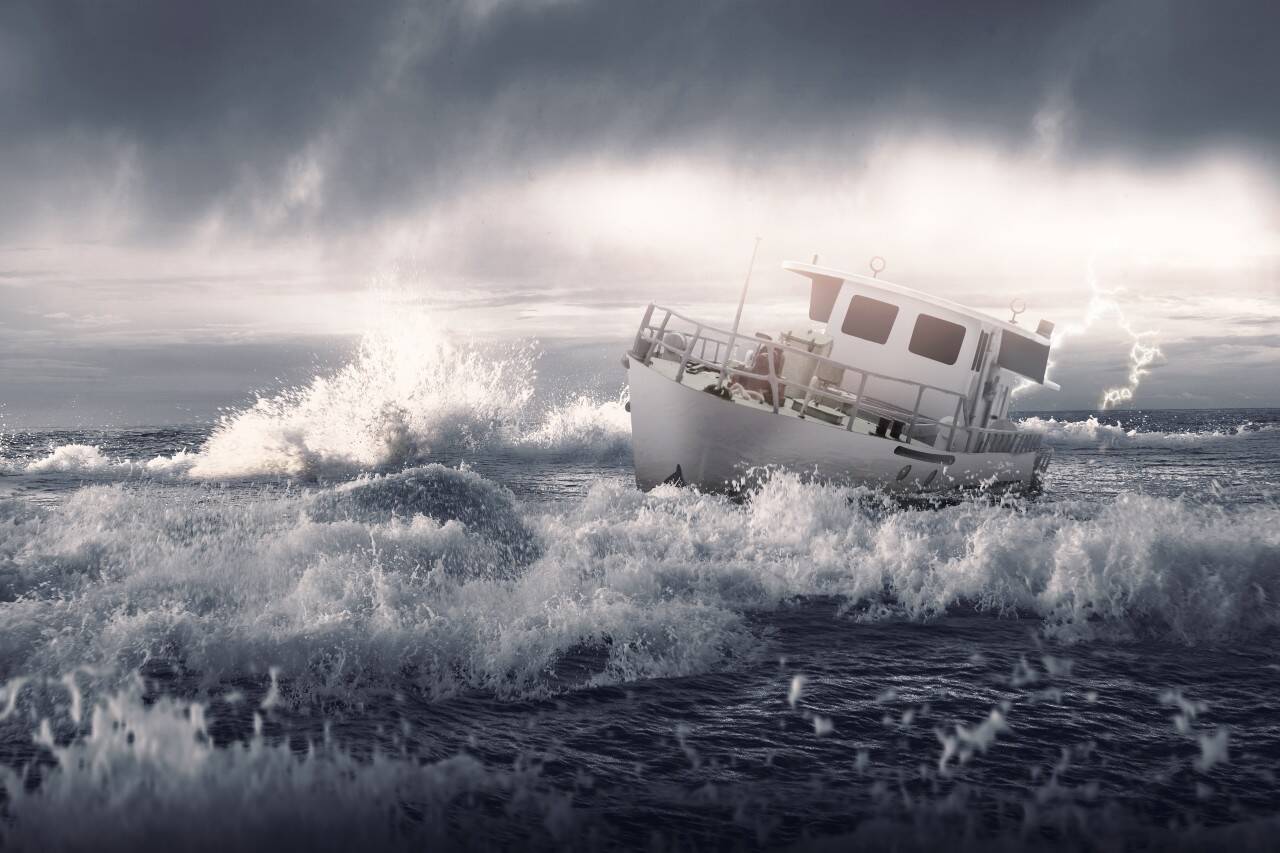
The effect of waves and surf on ship stability
Waves on the open sea are long and lazy. Waves near the coast are short, steep, and vicious. When the seabed rises, the waves become shorter and begin to break. For a 12-meter yacht, a 6-meter breaking wave can be fatal if it hits the side.
A real-life example: Returning to the marina near Rome at the mouth of the Tiber River. The river current runs against the waves from the sea. The result? The waves rise, shorten, and create a "washing machine" that grinds you up. An experienced captain would rather wait at sea than risk entering such hell.
The main causes of accidents, or where the human factor fails
Let's go back to that mirror. Why do we make mistakes?
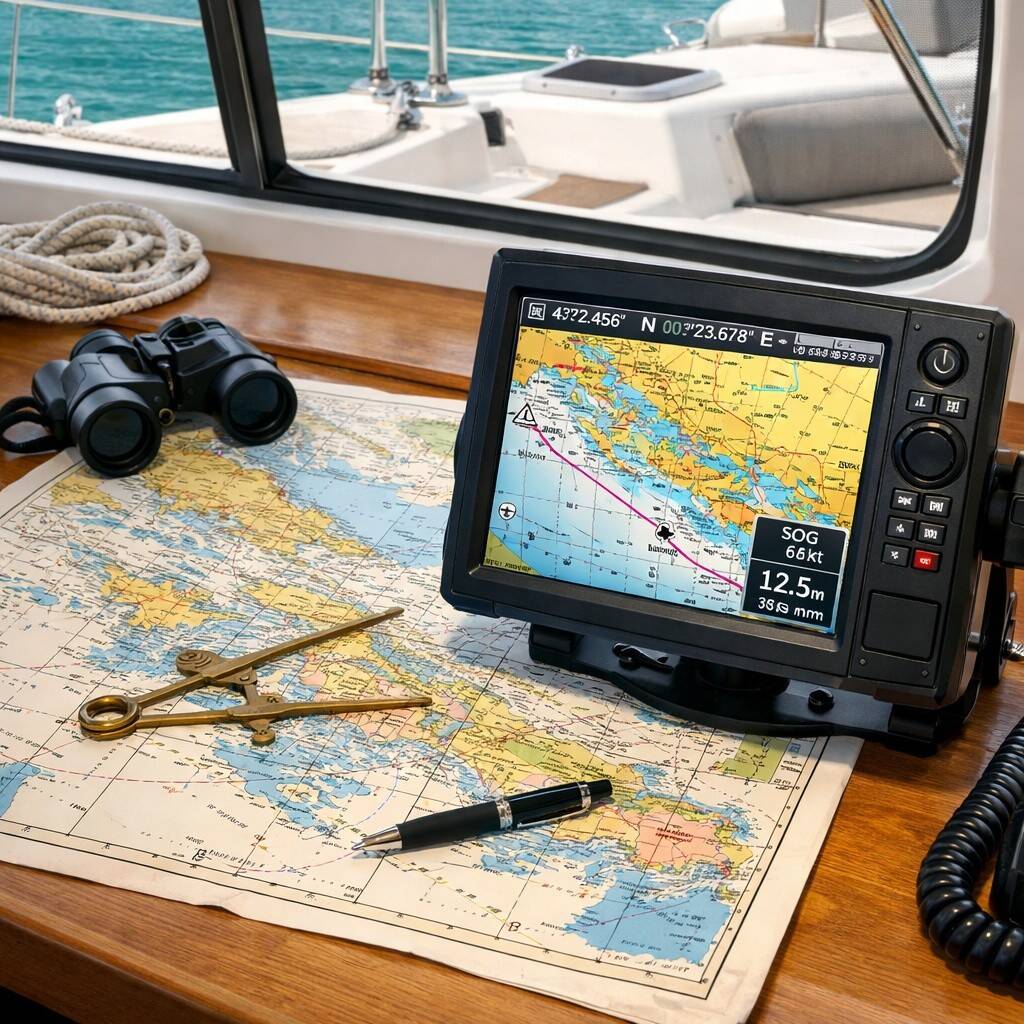
Overconfidence in electronics and underestimating preparation
"I have GPS and autopilot, so what's there to worry about?" But GPS can fail, and autopilot can't see that fishing buoy in front of you. Relying on technology leads to the captain no longer monitoring the surroundings. And then they wonder why "that rock wasn't there yesterday." It was. It just wasn't on the display at that scale.
Captain fatigue and the influence of alcohol on safety
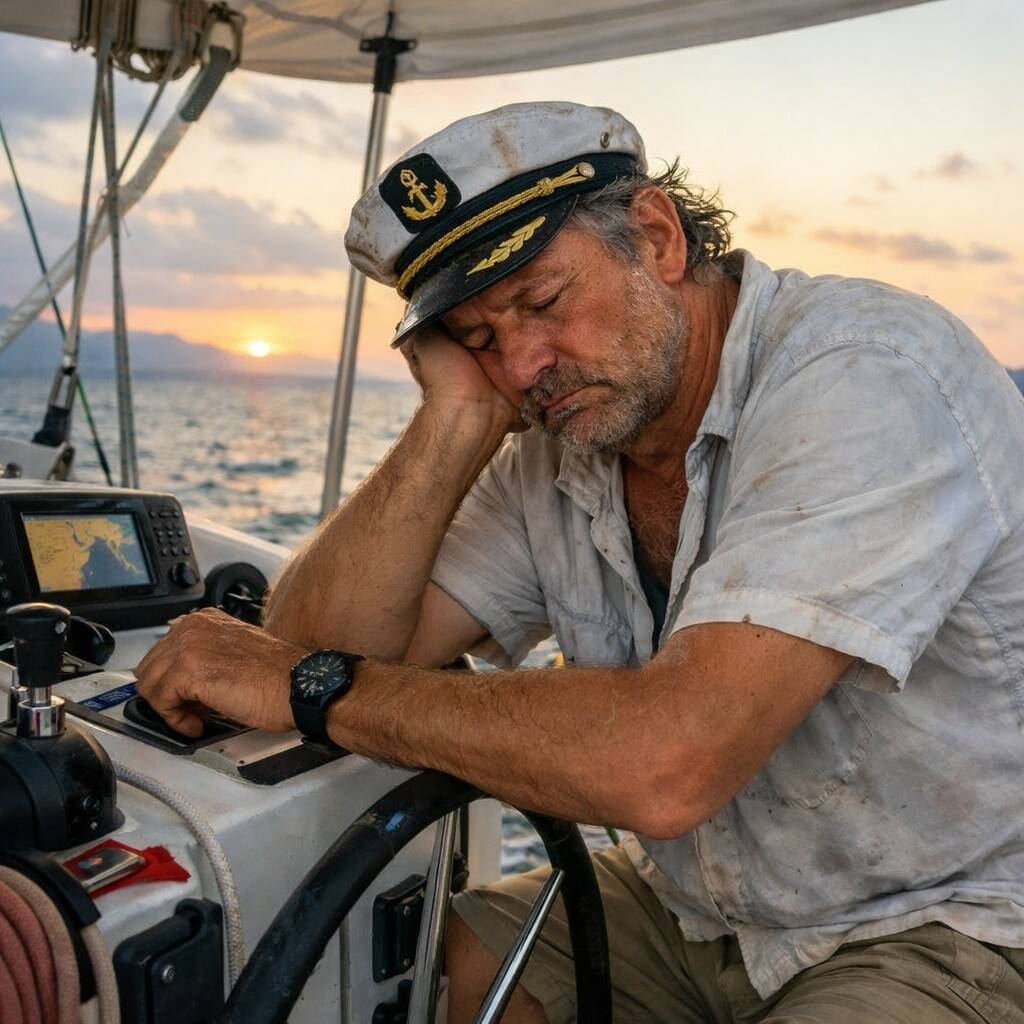
The "Captain America" syndrome. The captain wants to do everything himself, doesn't sleep, is stressed out. Fatigue impairs judgment just as much as alcohol. And speaking of alcohol, having a beer at the harbor is fine. But driving a boat under the influence? It's like driving a car blindfolded. Your reactions are slow and your courage grows disproportionately. "We'll get through, there's plenty of room!" And crash.
-
How to effectively prevent crises and ensure safe yachting
What have I learned over the years at sea? That the best crisis situation is one that never happens.
- Preparation is 90% of success: Check the boat thoroughly. Check the sails, engine, valves.
- Weather: Check the forecast several days in advance. And if you don't like it, don't set sail. The pub in the harbor is nice too.
- Order on board: Ropes must be coiled. Chaos on board = chaos in an emergency.
- Involve the crew: You are not a slave. Teach them the basics. If something happens to you, they must be able to stop the boat or call for help.
- Don't overestimate yourself: The sea is always right. If you think you are stronger than nature, you will learn your lesson.
Importance of insurance for a smooth voyage
Yachting is a wonderful sport. It's freedom, wind, and adventure. But isn't the only thing missing bananas, the sea, and mojito happy hour to make it perfect? No, what's missing is certainty.
Even the best captain can have bad luck. Another boat might crash into you, a hidden material defect might break, or you might just make a stupid mistake (we're only human). And that's where insurance comes in. Boatsafe's deposit insurance won't save your ego if you scratch the boat while parking, but it will save you money. And believe me, you sleep better knowing that even that burnt seat cushion for CZK 17,500 (yes, that happens too) will be paid for by the insurance company.
So, friends, safe yachting is not about fear. It's about respect for the sea, preparation, and having a backup plan. Set sail with humility and return with experiences. And most importantly, always have enough rum on board. For Poseidon, of course.
Have a good voyage and keep the water under your keel!
Latest from Blog

The Art of Mooring a Boat: Common Mistakes and How to Avoid Them
Becoming an experienced captain isn’t just about knowing how to handle the sails or stay on course. The real test comes when you’re approaching a pier, a buoy, or a marina. Why? Because anchoring and mooring a boat is the discipline where things most often go wrong—and often result in damaged fenders, keels, and the crew’s nerves. Let’s take a look at how to moor like a pro and avoid the most common mistakes.
Peace, quiet, and the endless sea: The magic of a boat vacation
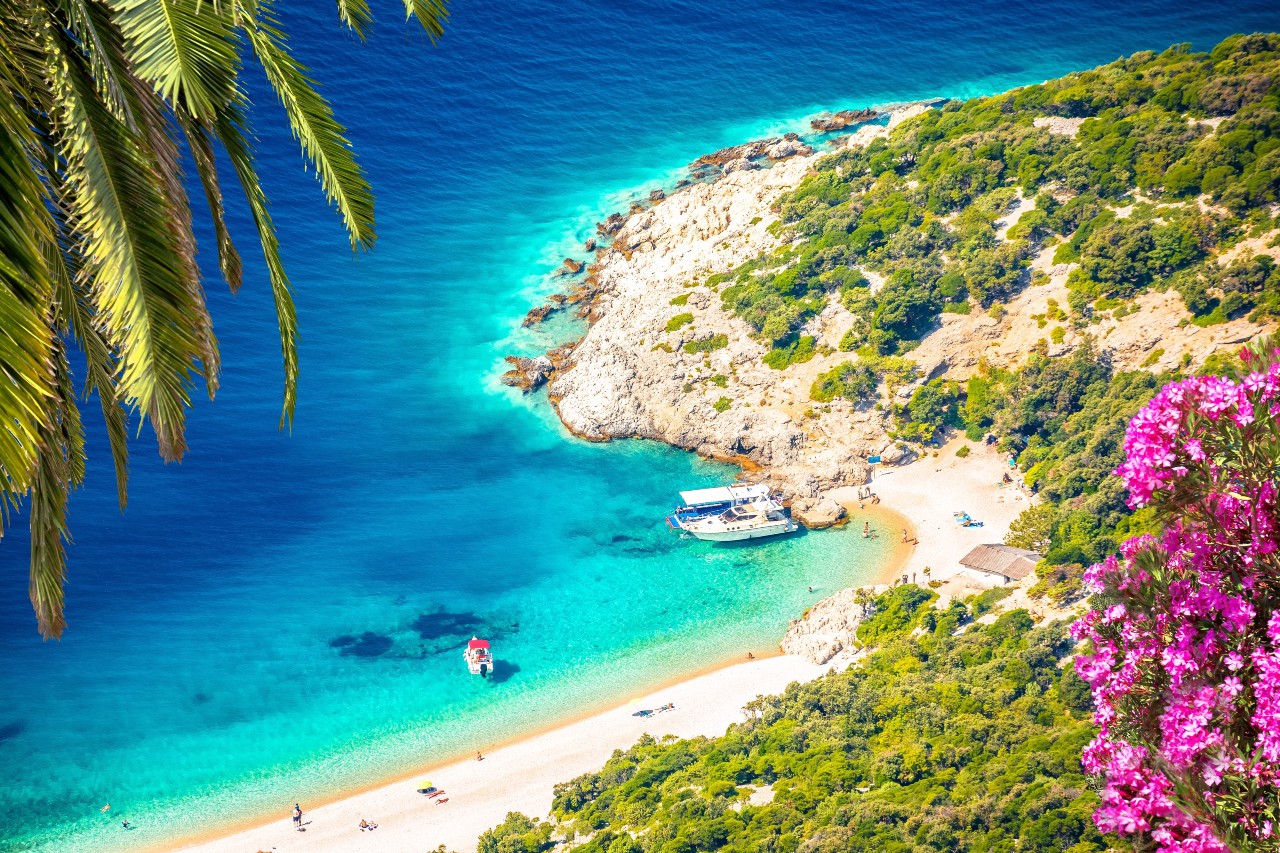
Do you remember that vacation you came back from more exhausted than when you left? The line for breakfast, the loud entertainers by the pool, and the never-ending battle for a lounge chair—which felt more like a morning supermarket clearance sale than a well-deserved break? I certainly do. And I’m far from the only one who said to myself, “Never again.”
Trends are changing. And they’re changing dramatically. Welcome to an era where simple silence is becoming the greatest luxury.
Where are the best places to swim on the Adriatic? A Guide for Sailors
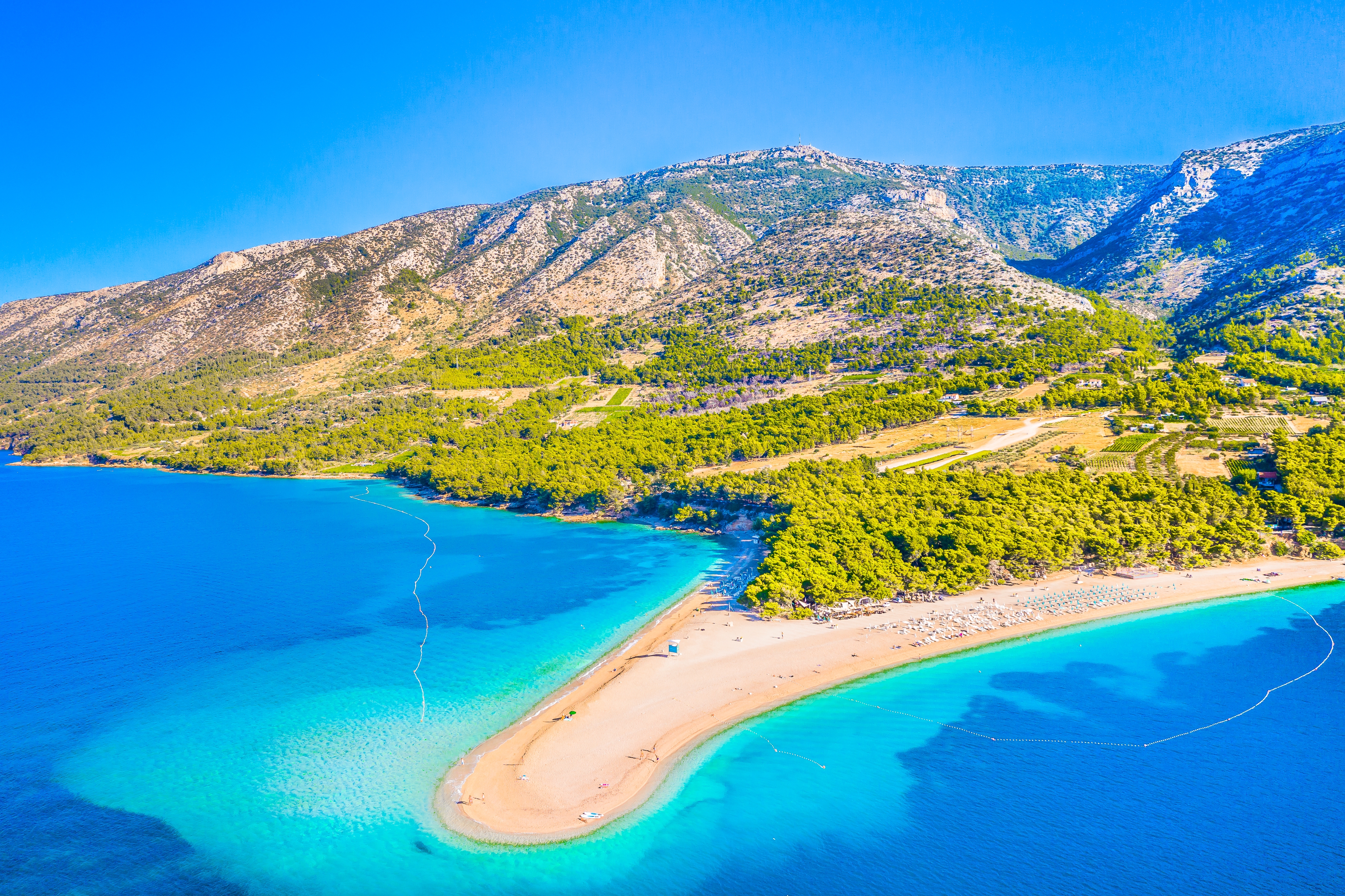
Croatia is close by, with crystal-clear waters, a rugged coastline, and thousands of islands glistening on the horizon. And when you add to that the privacy of your own sailboat, which will take you exactly where you point on the map… well, tell me, can you resist? Let’s take a look together at the best places to swim in the Adriatic—and, most importantly, why yachting in Croatia is the smartest way to discover this country.

