

Planning your sailing route: How to ensure the satisfaction of the entire crew
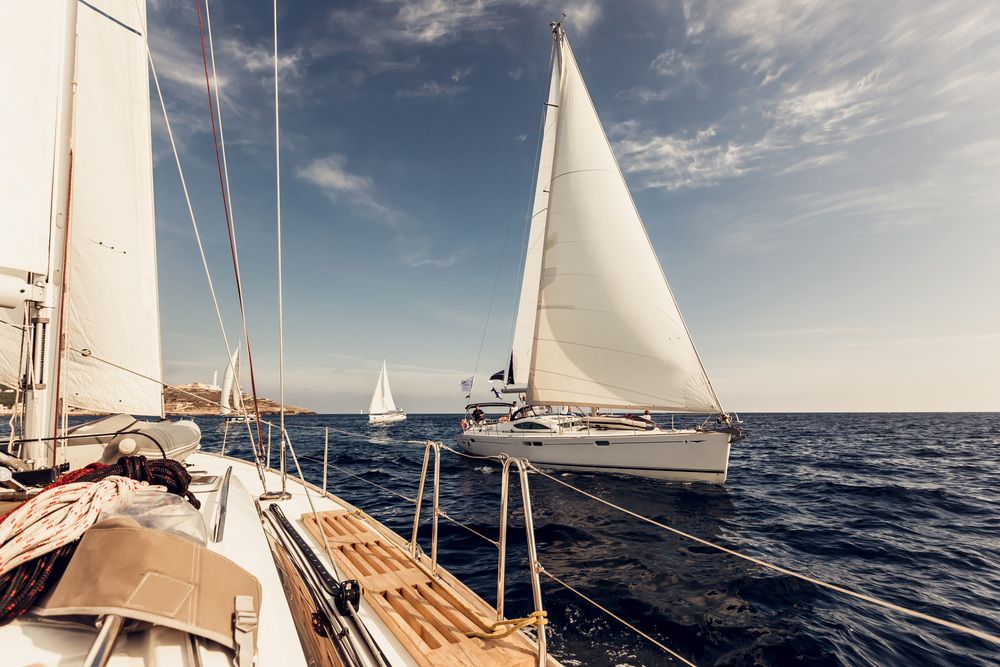
Key aspects for choosing a sailing route and keeping the crew happy
Before you even start drawing lines on the map, you need to clarify a few basic things. Proper route planning is not about cramming as many Instagram spots as possible into a week, but about finding the perfect balance for everyone on board.

Crew expectations and goals: Are you adventurers or coffee shop slackers?
This is the absolute basics. Before you confirm your boat reservation, call a "pre-cruise summit" and talk honestly about what everyone expects from the vacation.
Adventure versus relaxation
On one boat, you can easily end up with a group whose ideas about vacation are about as far apart as Prague and Tahiti.
- Team "Adrenaline": Wants to sail from morning to night, ideally against the wind and waves. The more tilt, the better. Their goal is to sail 400 nautical miles in a week and see everything.
- The "Chill" team: They look forward to morning coffee in a deserted bay, a two-hour sail to the next swimming spot, snorkeling, sunbathing, and an evening barbecue. Their goal? A maximum of 80 miles per week and zero stress.
It is practically impossible to combine these two worlds. The result will be that one group will be bored and the other will suffer. And believe me, trying to fall asleep in the front cabin while sailing against the waves is about as futile as trying to fall asleep in a running washing machine.
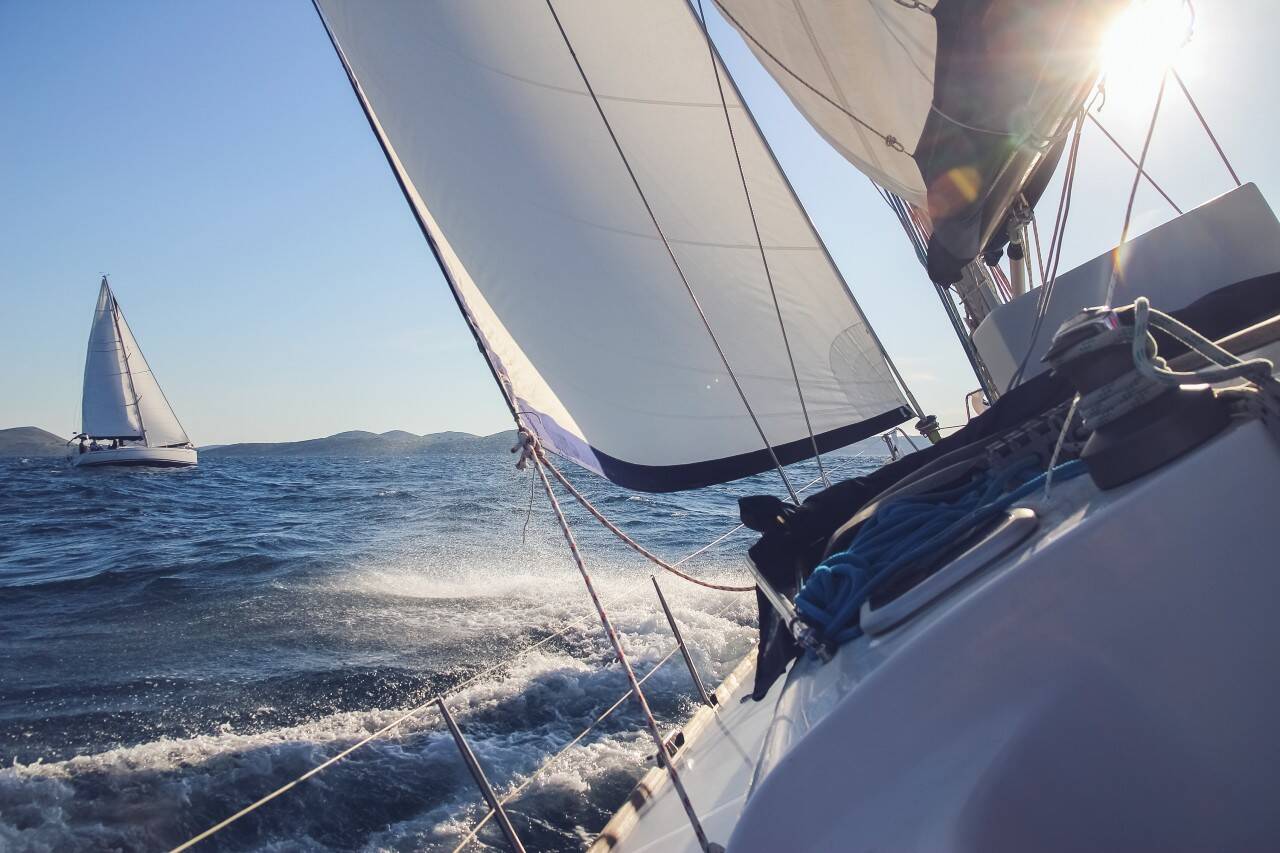
Length of daily cruises and activities
Ask yourself honestly: Do we want to spend 10 hours a day at sea, or are 2-3 hours enough, with the rest of the day spent swimming, exploring towns, and drinking in local taverns? The answer to this question will tell you how to choose your sailing route.
Realistic sailing distance: Forget about the speed of your Octavia
Beginners often look at a map and feel that they can sail from Istria to Dubrovnik and back in a week. After all, it only takes a few hours to drive from Prague to Biograd, so why should it be any different on a boat?
Myths about the speed of sailboats
Here's the harsh reality: the average speed of a cruising sailboat is about 5-7 knots (approx. 9-13 km/h). The journey from Biograd to Dubrovnik is about 170 nautical miles. There and back is 340 miles, which means almost 70 hours of sailing under engine power. If you break that down into six days, you're looking at almost 12 hours a day. And no one really wants that on vacation.
Recommendations for novice sailors
Listen to your captain! If he tells you that your plan is unrealistic, it's not because he's lazy. It's because he has experience and knows what is realistically possible to achieve without turning your vacation into a race against time.
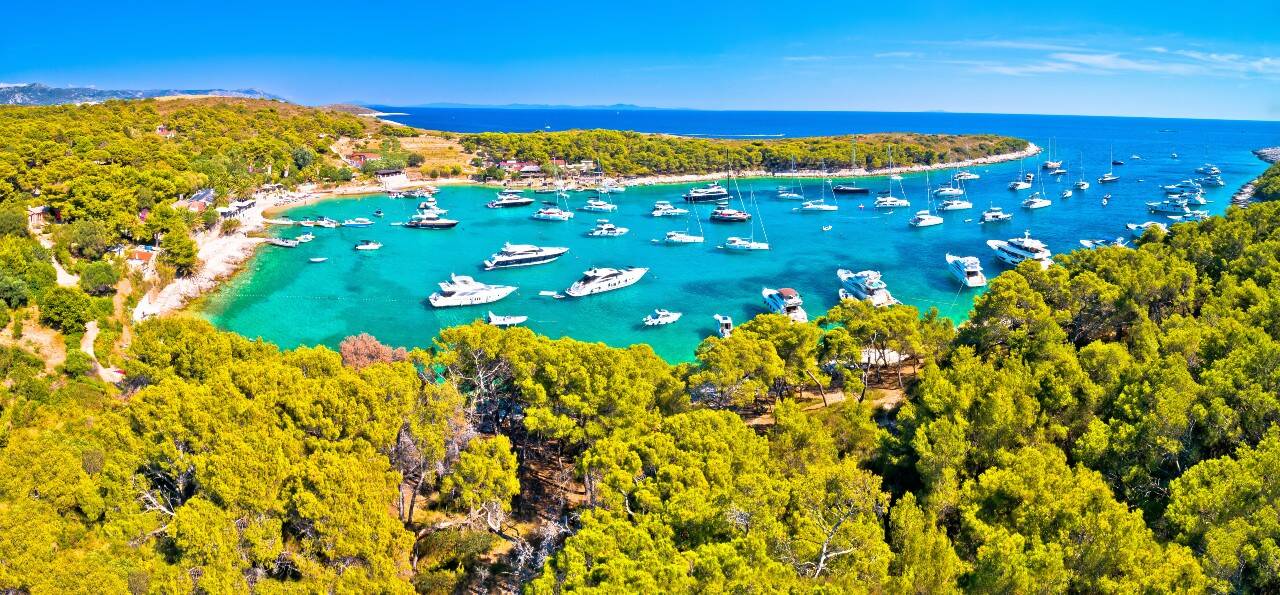
Choice of route: Yachting D1 or forgotten country roads?
Every region has its "well-known" routes that take you to the most famous and beautiful places. And they have their pros and cons.
- Advantages and disadvantages of popular routes: You will see the best that the area has to offer. The disadvantage is that thousands of other sailors will see the same thing. In the high season, this means crowded marinas, occupied moorings, and a fight for the last free table in a restaurant. If you want to get a spot in the harbor, you often have to be there by two in the afternoon.
- Discovering quiet coves: However, if you venture off the main "yachting highways," you have a chance to discover coves where you will be almost alone, even in August. There may not be five restaurants and a promenade, but you will find something much more valuable—peace and quiet.
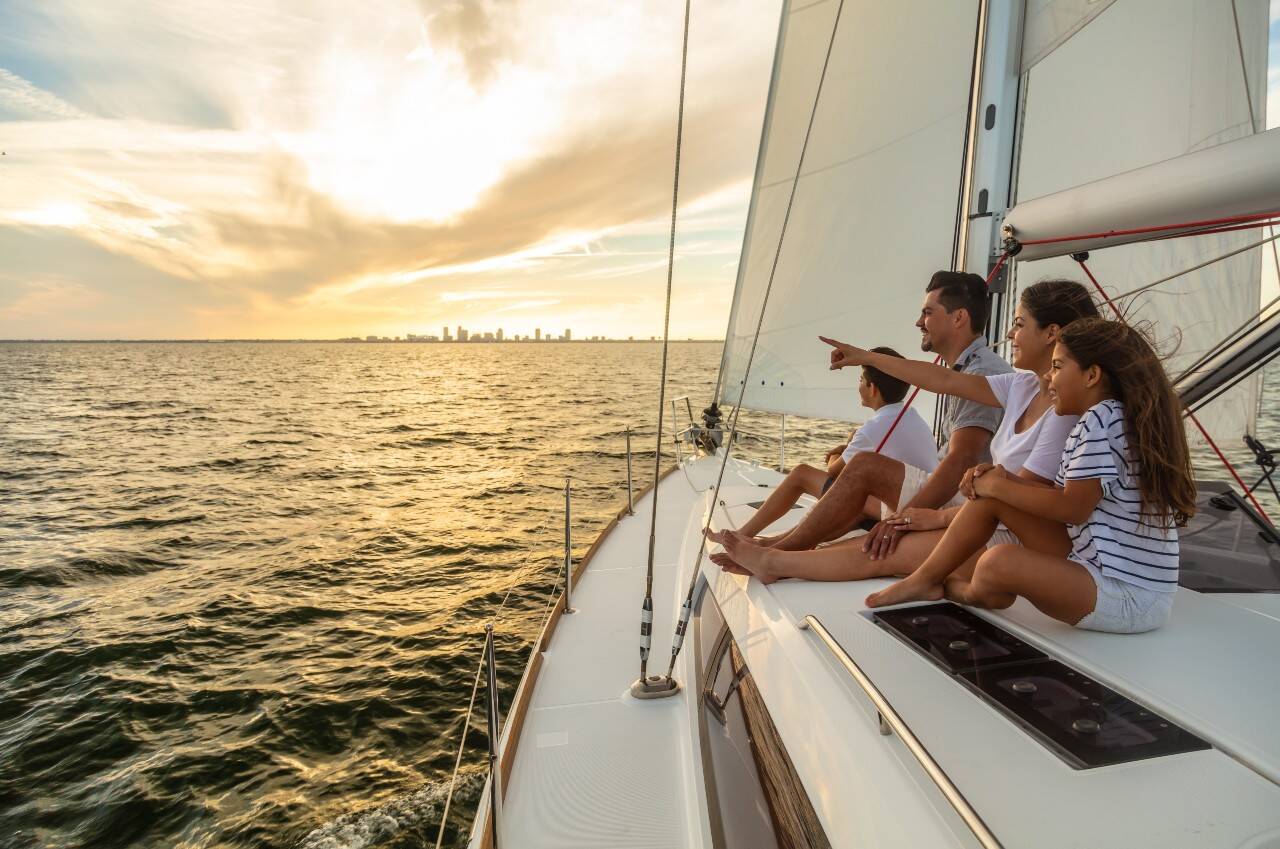
Planning a sailing trip with children: Happy children = happy crew
Sailing with children is a completely different discipline. Here, everything is subordinated to the youngest members of the crew.
- Short distances and safe weather for small children: With children under eight, forget about long crossings. Plan short distances of no more than two hours. The goal is to keep the children from getting bored and the mothers from worrying. Look for deserted beaches and quiet coves where they can splash around safely.
- Interesting places for older children: Older children need adventure. Look for places where they can snorkel (perhaps above a shallow wreck), explore abandoned forts on hills, or discover caves. Turn the trip into a treasure hunt and they will be thrilled.
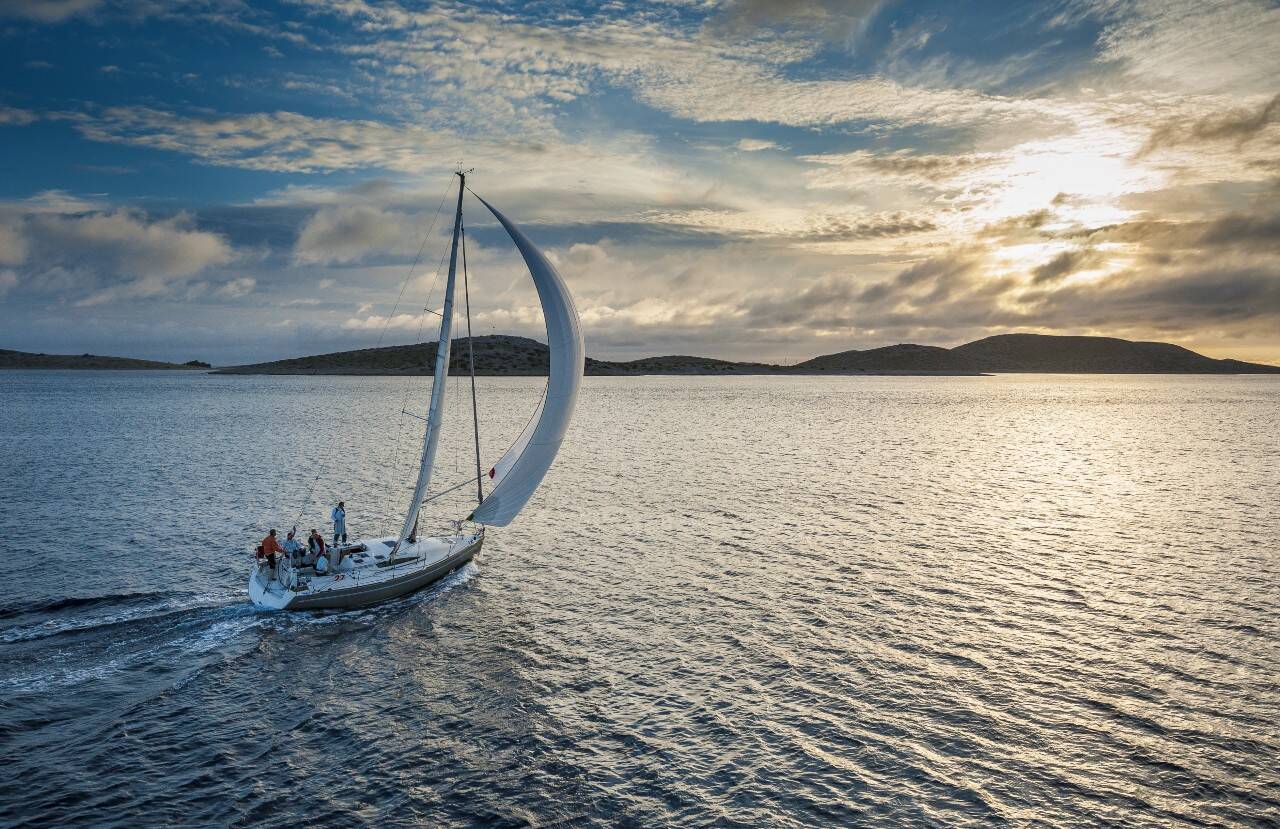
The influence of the season on the sailing schedule
What is a great plan in August may be boring in May.
- Spring sightseeing cruises: In spring, the sea is still cold, so swimming is more for hardy souls. However, it is the ideal time for longer cruises, exploring historic towns, and trips to the interior of the islands.
- Summer swimming and autumn tranquility: Summer is classic—swimming, sunbathing, life in a swimsuit. Autumn offers a great compromise: the sea is still warm, but the crowds of tourists are gone.
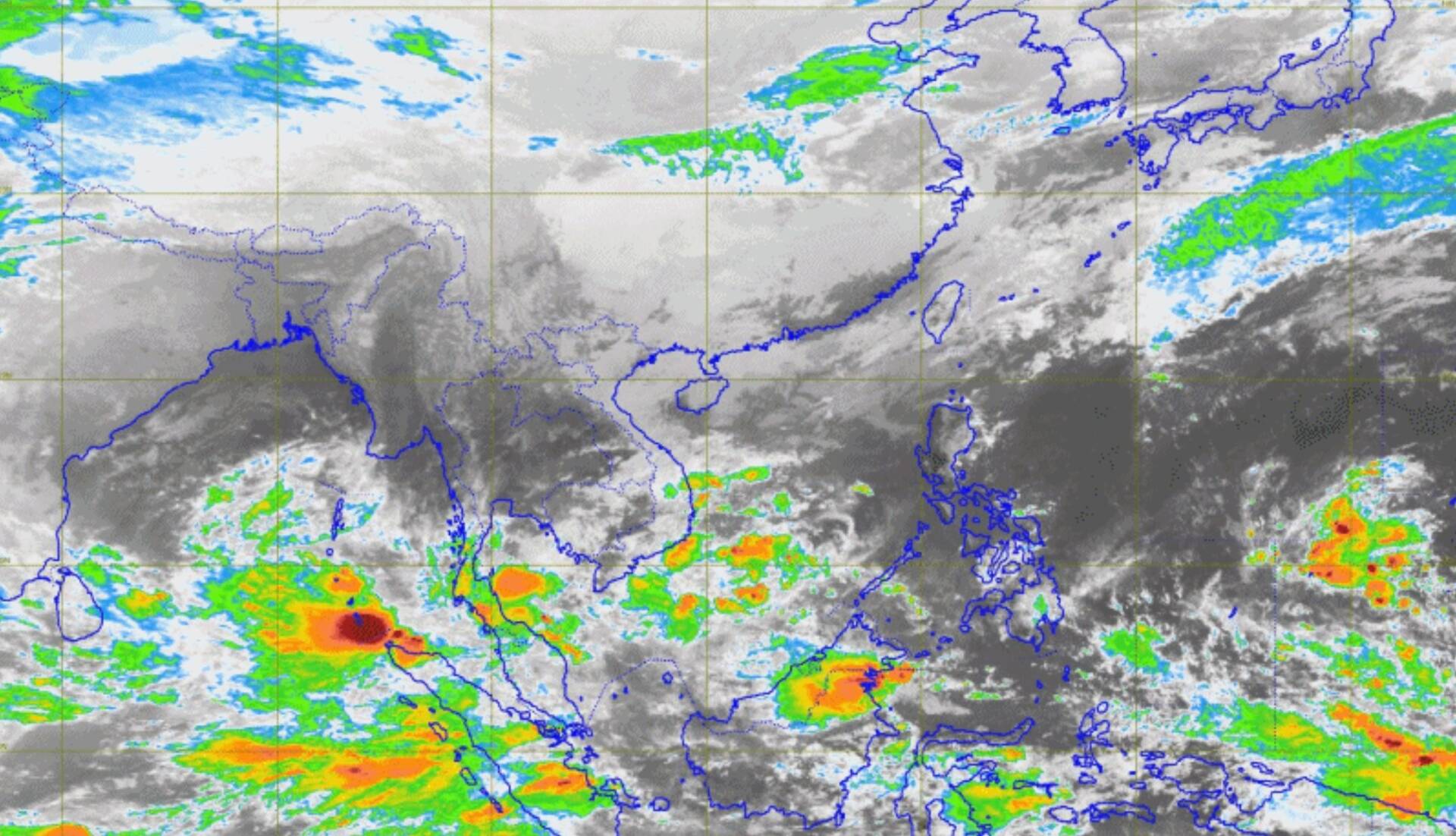
Weather as a decisive factor: Wind is king
You can have the best plan in the world, but the weather always has the final say. At sea, there is one rule: plans are meant to be changed.
- Flexibility and adapting your route to the wind: There is no point in battling against strong winds and waves for hours when half the crew is suffering from seasickness. It is much smarter to change your plan and let the wind carry you comfortably to another, equally beautiful place.
- A practical example: You plan to sail from Šibenik to Hvar and Vis. However, the forecast predicts a strong jugo (southern wind) for the first half of the week. If you stick to your plan, you will sail there and back against the wind. Hell. But if you change your plan and head north to Kornati, you will sail comfortably downwind for the first few days. When the wind changes, it will carry you back comfortably. Your crew will love you. Especially when you meet the other, shaken-up group in the harbor who didn't change their plan.
The key to a successful and enjoyable voyage
So how do you plan the perfect sailing route? The key lies in three words: communication, realism, and flexibility.
Talk to each other, set realistic goals, and be prepared to change your plans at any time depending on the weather or the mood of the crew. The goal is not to slavishly stick to a predetermined route, but to create a framework that will allow you to enjoy a week full of relaxation, laughter, and unforgettable experiences.
So may the wind fill your sails and your crew smile!
Latest from Blog

The Art of Mooring a Boat: Common Mistakes and How to Avoid Them
Becoming an experienced captain isn’t just about knowing how to handle the sails or stay on course. The real test comes when you’re approaching a pier, a buoy, or a marina. Why? Because anchoring and mooring a boat is the discipline where things most often go wrong—and often result in damaged fenders, keels, and the crew’s nerves. Let’s take a look at how to moor like a pro and avoid the most common mistakes.
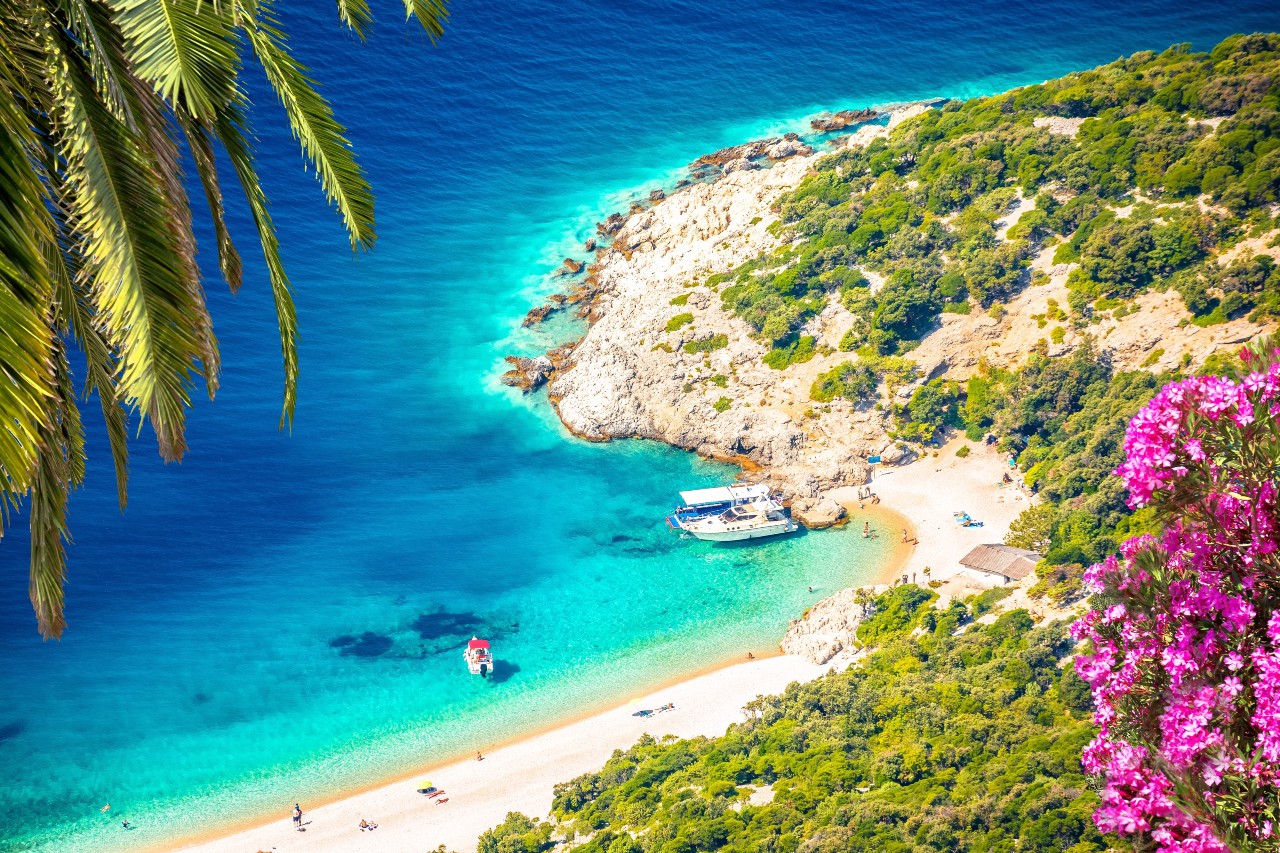
Peace, quiet, and the endless sea: The magic of a boat vacation
Do you remember that vacation you came back from more exhausted than when you left? The line for breakfast, the loud entertainers by the pool, and the never-ending battle for a lounge chair—which felt more like a morning supermarket clearance sale than a well-deserved break? I certainly do. And I’m far from the only one who said to myself, “Never again.”
Trends are changing. And they’re changing dramatically. Welcome to an era where simple silence is becoming the greatest luxury.
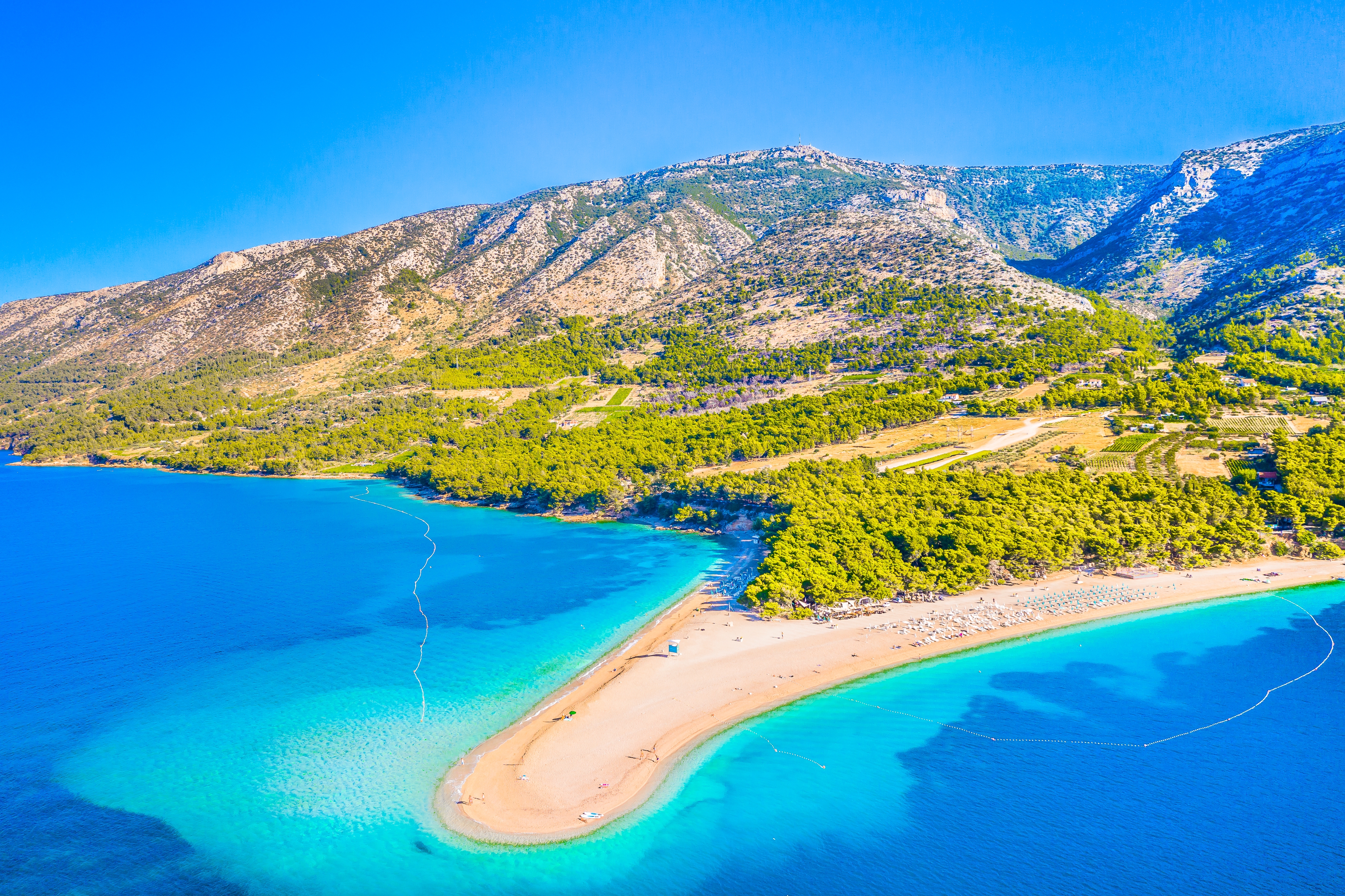
Where are the best places to swim on the Adriatic? A Guide for Sailors
Croatia is close by, with crystal-clear waters, a rugged coastline, and thousands of islands glistening on the horizon. And when you add to that the privacy of your own sailboat, which will take you exactly where you point on the map… well, tell me, can you resist? Let’s take a look together at the best places to swim in the Adriatic—and, most importantly, why yachting in Croatia is the smartest way to discover this country.

