

What to do if you are injured by a sea urchin, jellyfish or toadfish
.jpg)
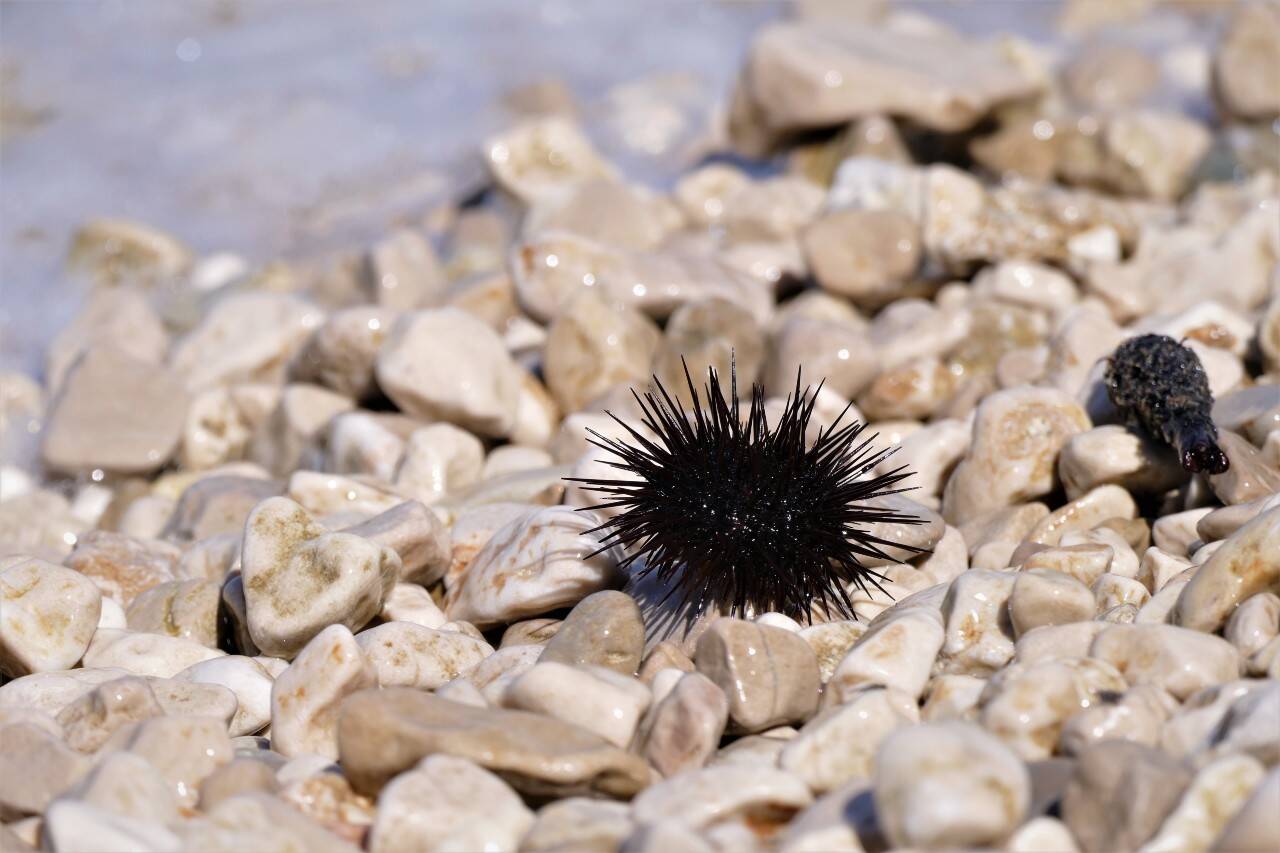
Sea Urchin Injury
Stepping on a sea urchin is one of the classic holiday "pleasures". These prickly creatures are masters at camouflaging themselves at the bottom of the sea, but if you stumble across them with your bare feet, you'll definitely notice.
How to spot a sting and its symptoms
Aside from the immediate sharp pain, you may be surprised by the black and blue colouration of the puncture site. Hedgehog stings can also be poisonous - so as well as hurting like hell, they'll also cause you to suffer from inflammation or swelling.
The procedure for treating the wound and removing the barbs
The most important thing is to keep calm and remove the barbs. But beware! These little "sneaky things" are fragile and easy to break. Use tweezers (ideally wearing gloves) and proceed carefully. If all the pieces don't come out right away, try lemon juice or black salve - these will help loosen deeply embedded spines in a few days. Warm water mixed with vinegar can ease the pain and the effects of any venom.
Prevention of infection and aftercare
Always disinfect the wound (vinegar or alcohol will be your best friends). Keep an eye out for any signs of infection - redness or festering - and if anything doesn't look right, go to the doctor instead. And don't forget to check your tetanus vaccination!
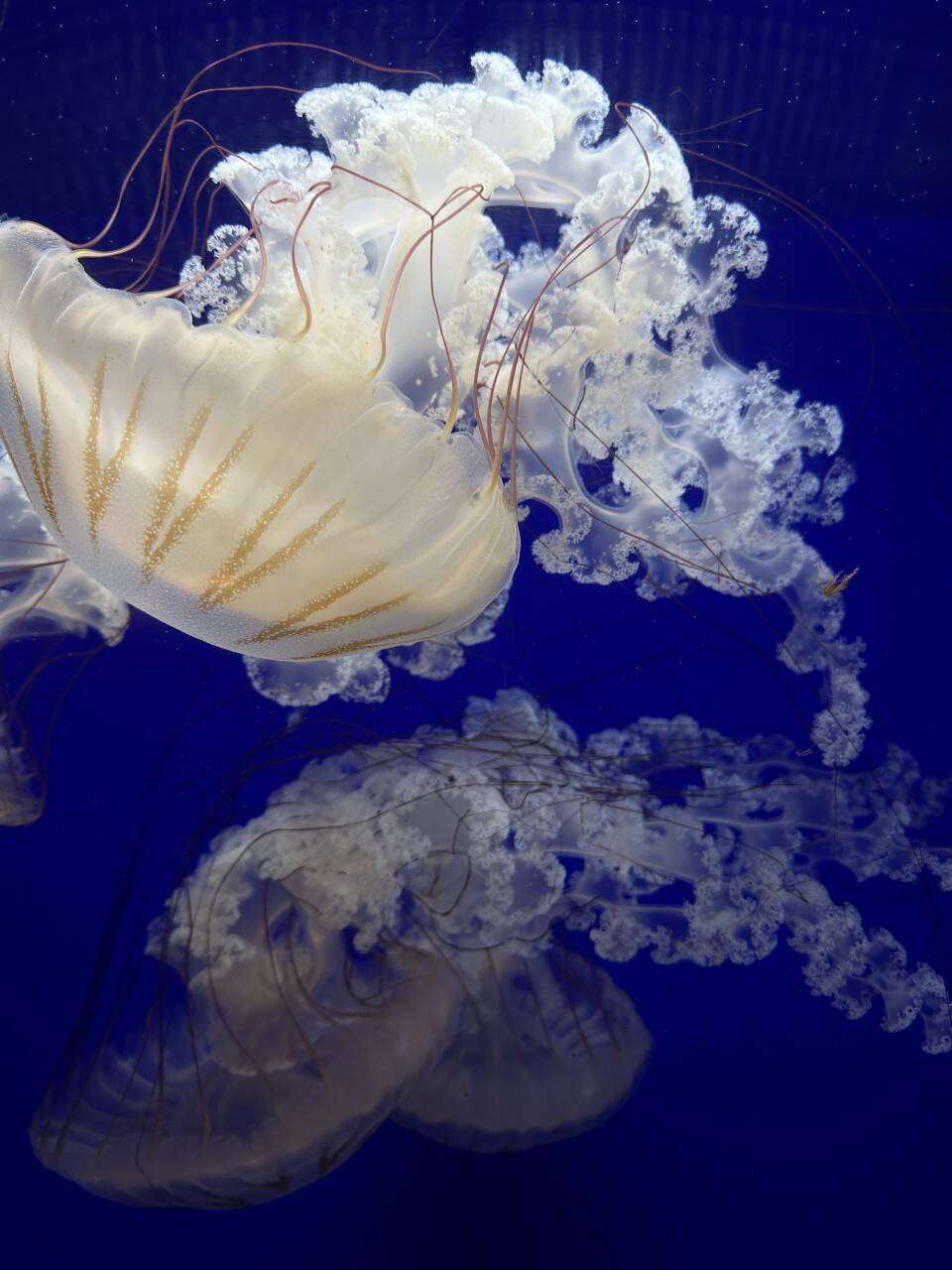
Contact with jellyfish and first aid for stings
Jellyfish look beautiful (pictured), but if you touch them in the water... well, let's just say this: It hurts. It hurts a lot.
Symptoms of jellyfish stings
Imagine a nettle on steroids. Burning, itching, tingling and sometimes blistering - that's how jellyfish stings manifest. In addition, the affected area often swells and more sensitive people may react with a more pronounced allergic reaction.
Recommended steps to quickly calm a skin reaction
First rule: Don't scratch! Use a credit card or other blunt object to remove any remnants of the tentacles (but never with your bare hand!). Then rinse the affected area with sea water - fresh water would only activate the stinging cells even more. Next, use vinegar or alcohol to rinse the sting site and calmly immerse the affected area in warm water (40-50°C). If you have an antihistamine like Fenistil gel on hand - use it.
Injury by a toadfish: how to proceed?
The toadfish may not be Miss Sea 2023 (quite the opposite), but its sting should not be underestimated! This not very good-looking fish has sharp spines connected to a venom gland.
Sting characteristics and symptoms of venom poisoning
You can recognize a toadfish sting immediately: intense pain resembling fire under the skin comes almost immediately. The site swells, may be reddened and the pain usually continues for a few hours.
First aid and other measures
Immerse the affected area in the warmest possible water (up to 60 °C is recommended). The heat neutralises the protein poison of the fish. But no "old wives' tricks" like burning the wound with cigarettes or squeezing it - you might just hurt yourself more! If the pain is unbearable or you suspect a complication (inflammation or infection), do not hesitate to seek medical attention.
Conclusion: how to avoid risks when staying by the sea
What to say in conclusion? The sea is a wonderful place full of life - some of it a little too active... But prevention can save you a lot of pain:
Wear protective footwear in the water (the sea urchin will thank you for it by not ruining your day).
Watch out for rocks and reefs full of hidden fish like toadfish or moray eels.
Keep your distance from jellyfish and their tentacles - they look like silk lace from a dream, but trust me: you don't want to "try them on".
And especially keep a basic first aid kit with vinegar, antihistamines and tweezers - you never know! A worry-free holiday? It just takes a little extra caution. Happy travels! 🌊
Latest from Blog

The Art of Mooring a Boat: Common Mistakes and How to Avoid Them
Becoming an experienced captain isn’t just about knowing how to handle the sails or stay on course. The real test comes when you’re approaching a pier, a buoy, or a marina. Why? Because anchoring and mooring a boat is the discipline where things most often go wrong—and often result in damaged fenders, keels, and the crew’s nerves. Let’s take a look at how to moor like a pro and avoid the most common mistakes.

Peace, quiet, and the endless sea: The magic of a boat vacation
Do you remember that vacation you came back from more exhausted than when you left? The line for breakfast, the loud entertainers by the pool, and the never-ending battle for a lounge chair—which felt more like a morning supermarket clearance sale than a well-deserved break? I certainly do. And I’m far from the only one who said to myself, “Never again.”
Trends are changing. And they’re changing dramatically. Welcome to an era where simple silence is becoming the greatest luxury.

Where are the best places to swim on the Adriatic? A Guide for Sailors
Croatia is close by, with crystal-clear waters, a rugged coastline, and thousands of islands glistening on the horizon. And when you add to that the privacy of your own sailboat, which will take you exactly where you point on the map… well, tell me, can you resist? Let’s take a look together at the best places to swim in the Adriatic—and, most importantly, why yachting in Croatia is the smartest way to discover this country.

