

Children aboard a yacht or catamaran – sailing with little sailors
Why a cruise with kids is a great way to spend your vacation
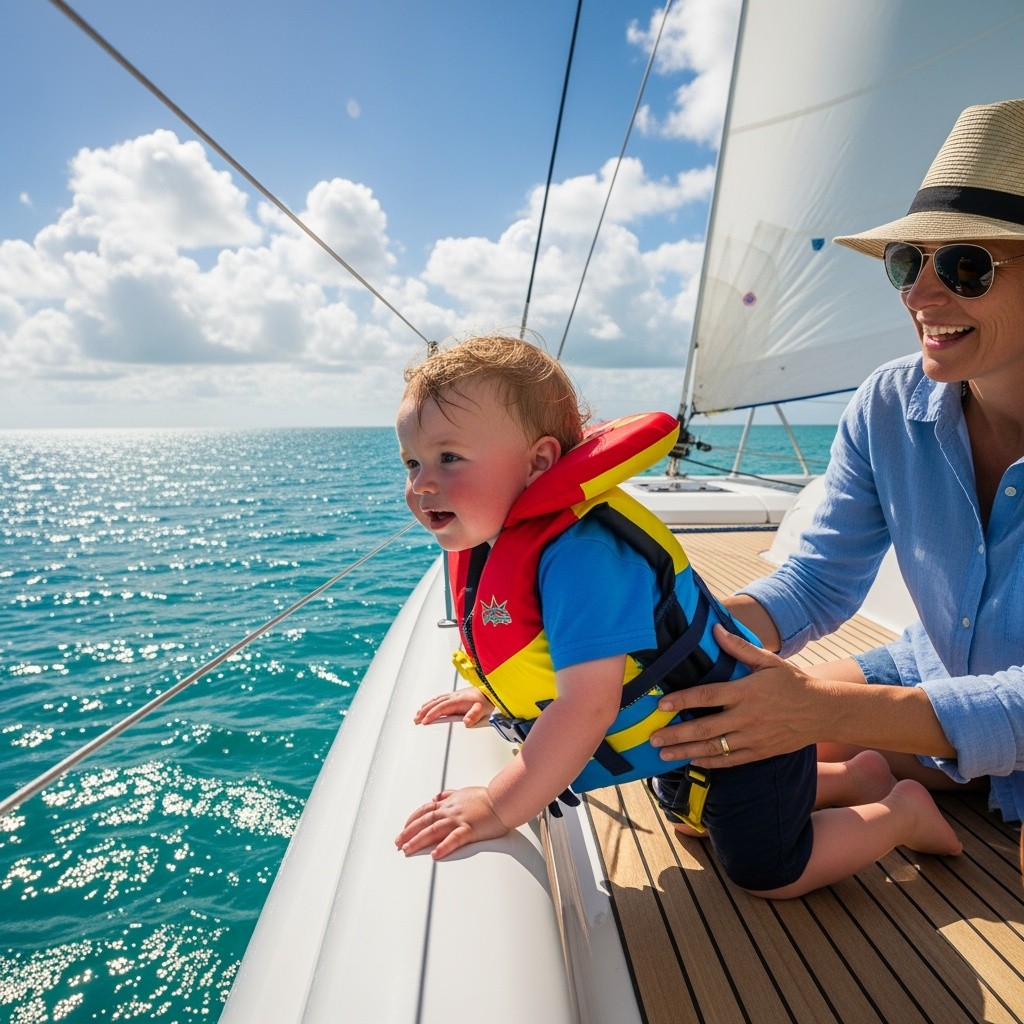
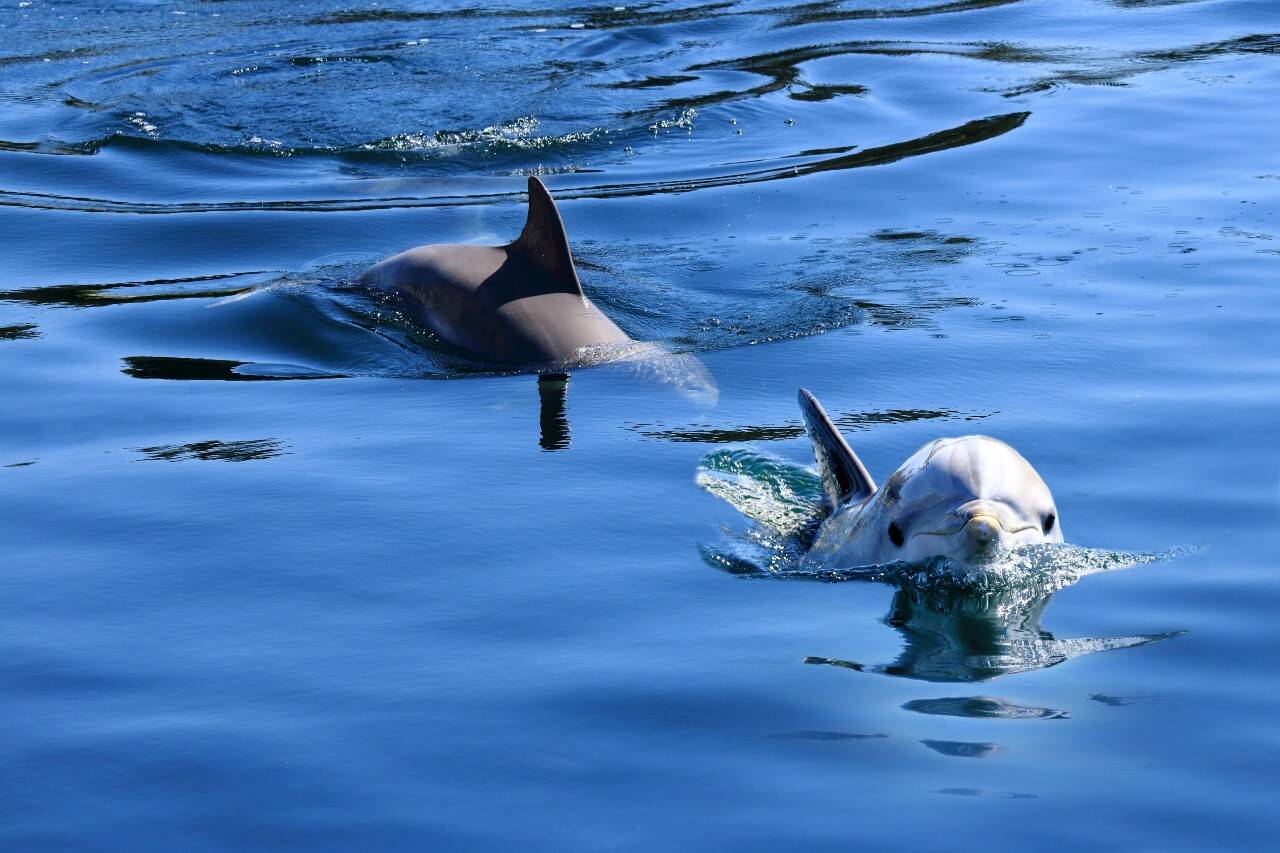
The sea offers a child an endless array of colors, sounds, and stimuli—from dolphins and seagulls circling above the water’s surface to waves of all sizes. For a child, sailing thus becomes a natural part of childhood—not a one-time exotic vacation, but an everyday activity like trips to the cottage or to Grandma’s house.
In any case, thanks to this, I’ve discovered that when you show a child the world from the deck, they form a lifelong bond with the sea. And you? You’ll have a welcome excuse to head out on the water with your family and avoid hearing complaints that you’re running off on another guys’ night out with your friends.
Choosing the Right Boat: Why Are Kids Happier on a Catamaran?
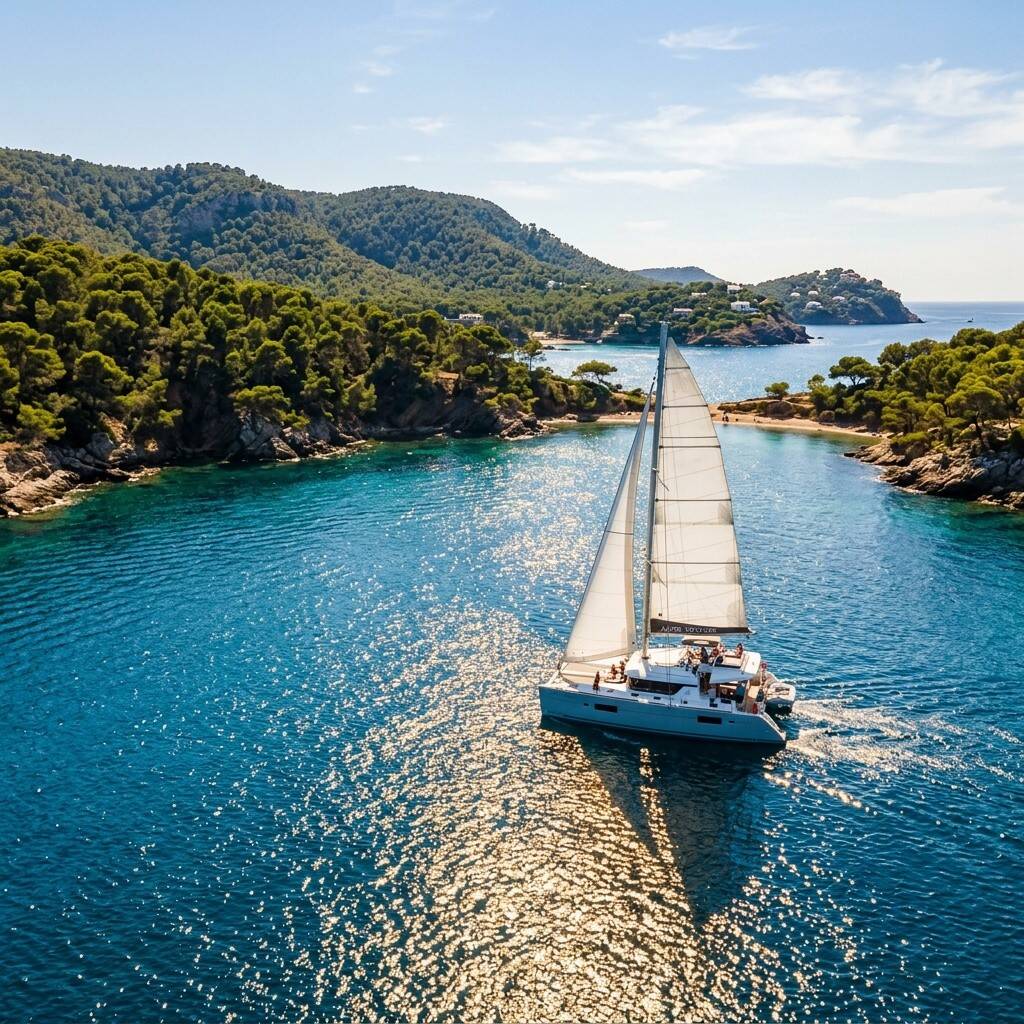
You know that feeling when a sailboat heels over sharply and you have to hold on for dear life? For an adult, it’s an adrenaline rush; for a toddler, it’s a sloping surface down which they roll like a ball in a pinball machine. That’s why there’s a simple rule: kids are just happier on a catamaran.
A catamaran offers more space, tremendous stability (it barely tilts at all), and a spacious salon that instantly transforms into a safe playground. The only things missing are maybe some bananas, the sea, and a mojito happy hour for parents who’ve just survived another day full of kids’ questions.
Safety First: Key Rules for Children on a Yacht
That’s where the fun ends. Children on a yacht require stricter rules than even a Spartan upbringing. The sea, after all, does not forgive mistakes.
Life jackets, nets, and harnesses
If your child is starting to crawl, I recommend having at least a net around the cockpit, ideally around the entire boat. It will protect not only your child but also any toys that might otherwise take a quick "splash" overboard.
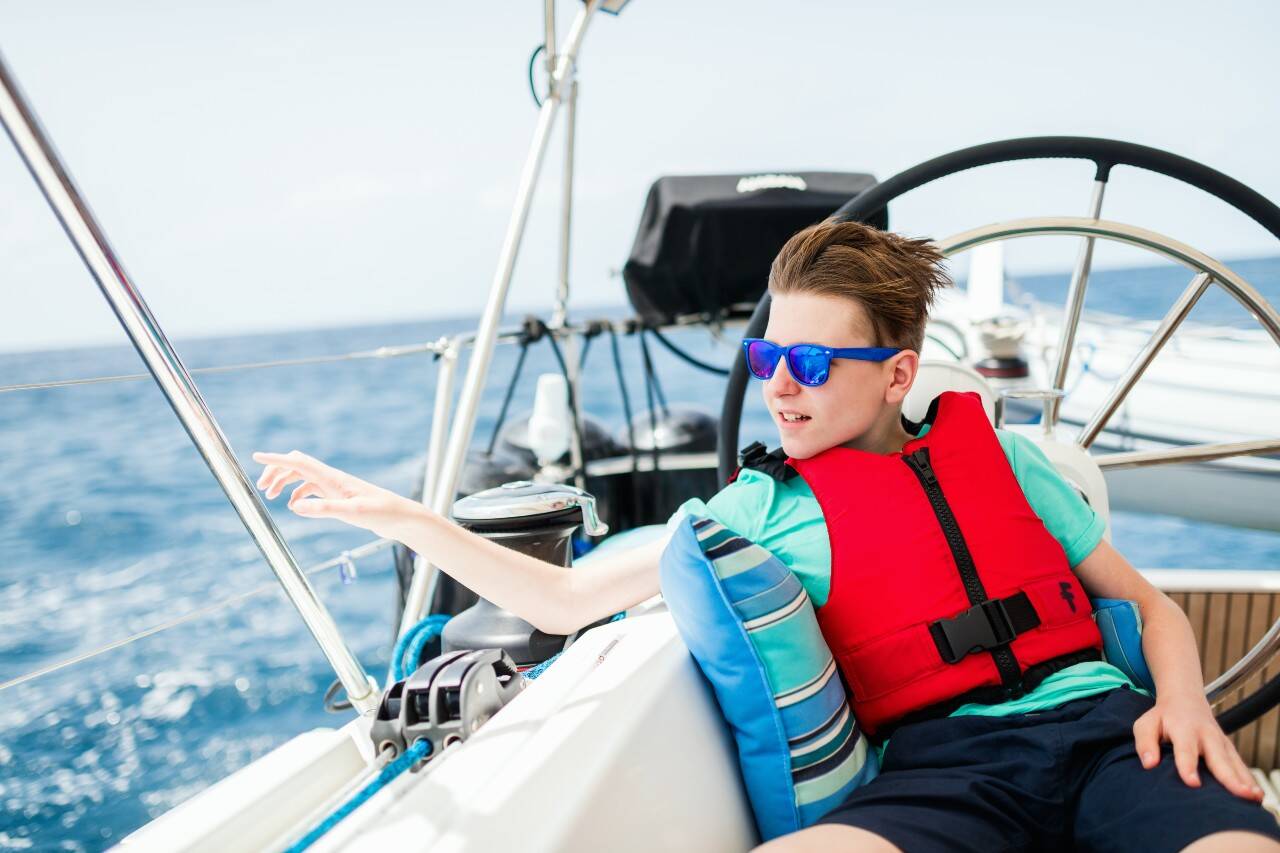
A life jacket is an absolute must as soon as your little one leaves the boat’s interior.
“Mommy, I don’t want this vest, it’s choking me!” We’ve all been there. Practicing at home helps—play sailors in the bathtub or on a blanket in the living room. And when moving around the deck while sailing? A harness is your best friend. You clip your child in like a dog on a leash, and you’ve got peace of mind.
Respect for the captain's authority and safe movement
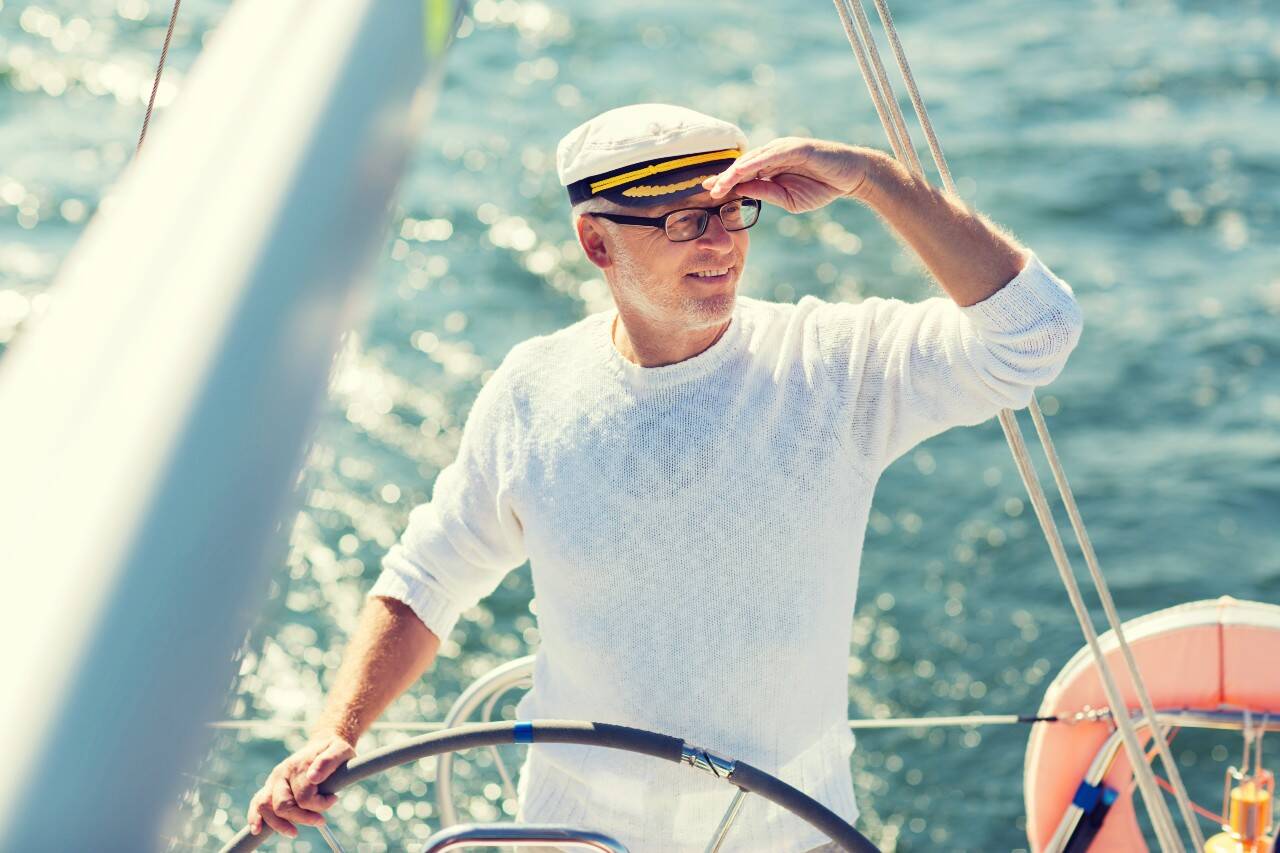
There is no democracy on a boat. On a boat, there is an enlightened dictatorship. The captain’s decision is final—when the captain says something, it goes without exception. Experience shows that a child often pays more attention to the captain’s authority than to a parent’s instructions.
The basic rules are clear: A child may enter the cockpit only when accompanied by an adult. The bow? Only with the captain’s permission and always accompanied. What the captain says goes!
Age-specific characteristics: From newborns to active toddlers
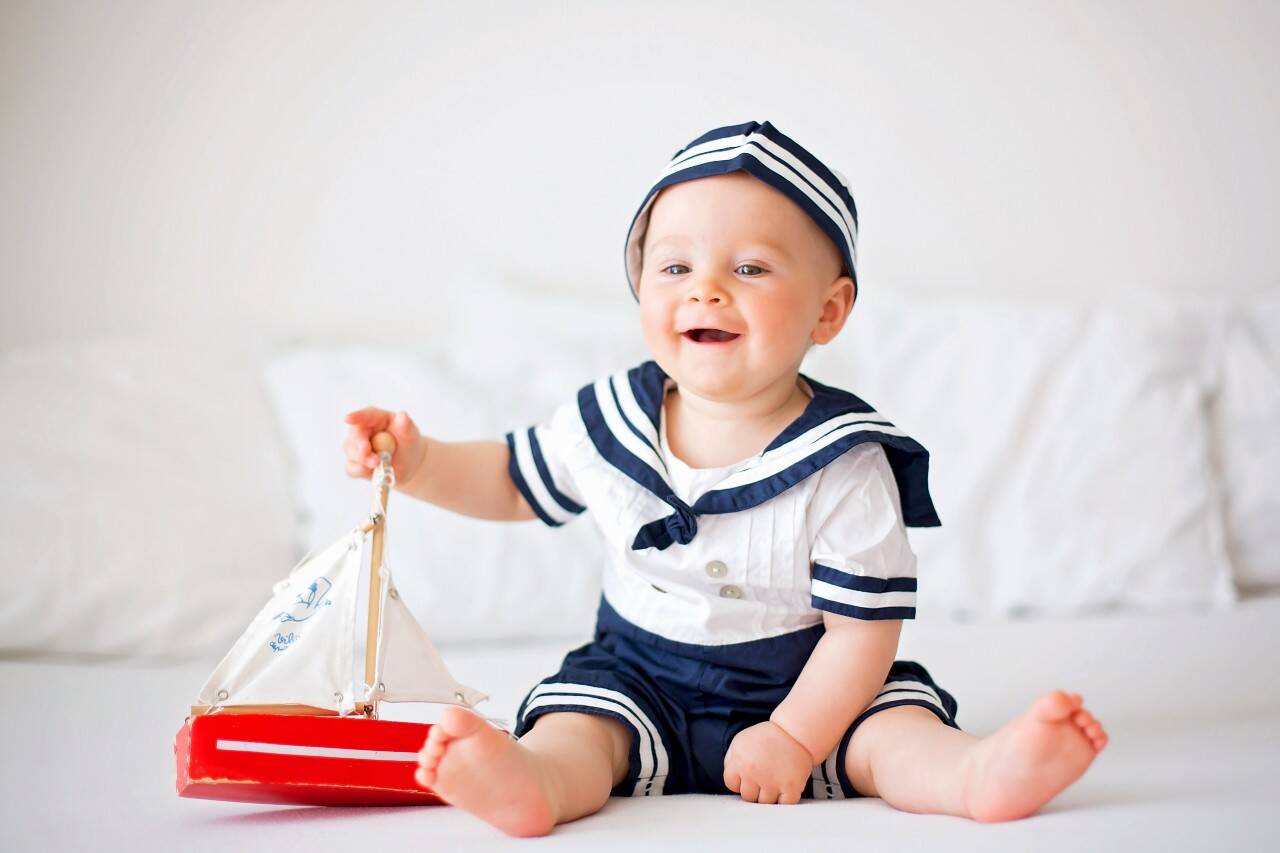
Are you crazy to take a toddler on a boat? Maybe. Babies (0–1 years) are actually ideal travel companions. They sleep most of the time, the rocking lulls them to sleep, and you can relax and read a book (provided your boat has air conditioning).
But toddlers (1–3 years)? That’s a whole different ballgame. At this age, a child is already crawling, running, and exploring the world around them. It’s like watching a loose cannon in a china shop. You can’t let them out of your sight for a second. I stand crouched like a predator, ready to catch a falling child or a flying teacup. It requires constant shifts among the adults on watch so you don’t go crazy.
How to Manage Your Daily Routine, Sleep, and Diet While at Sea
Cruising with a toddler isn’t just about having the right gear; it’s mainly about adapting your daily routine to their needs. On a boat, the lines between day and night blur. Stick to your usual bedtime routines even on board—and above all, always make sure to close the hatch securely at night so your child doesn’t fall out of bed!
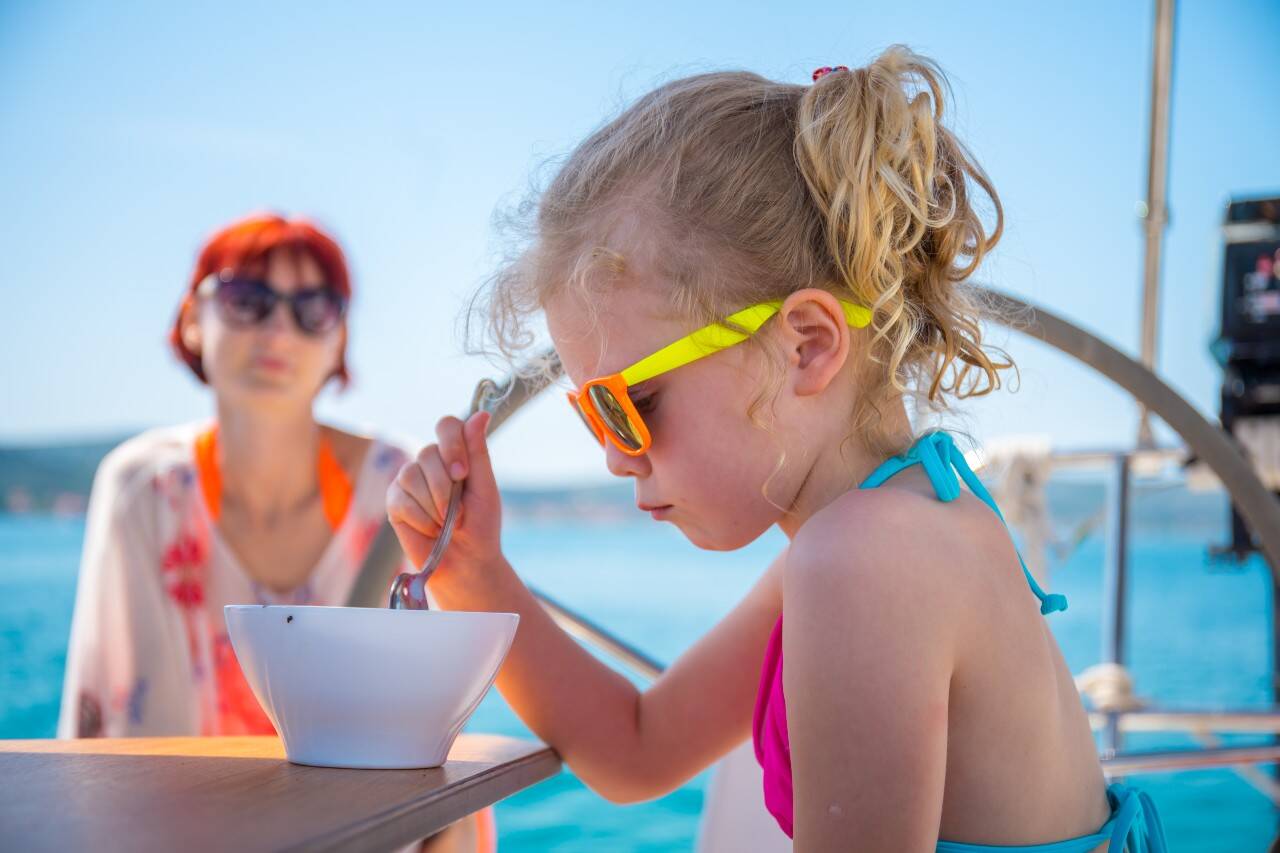
Bring your own food for the toddler. From experience, I recommend bringing baby food and favorite snacks (pouches, crackers) from the Czech Republic—they can be hard to find in some of the island’s mini-markets. Eating together with your child can sometimes be a challenge, but if you adapt and feed your child before the rest of the crew, you’ll manage it with ease.
Hygiene and Health: Diaper Changes, Potty Training, and a Travel First-Aid Kit
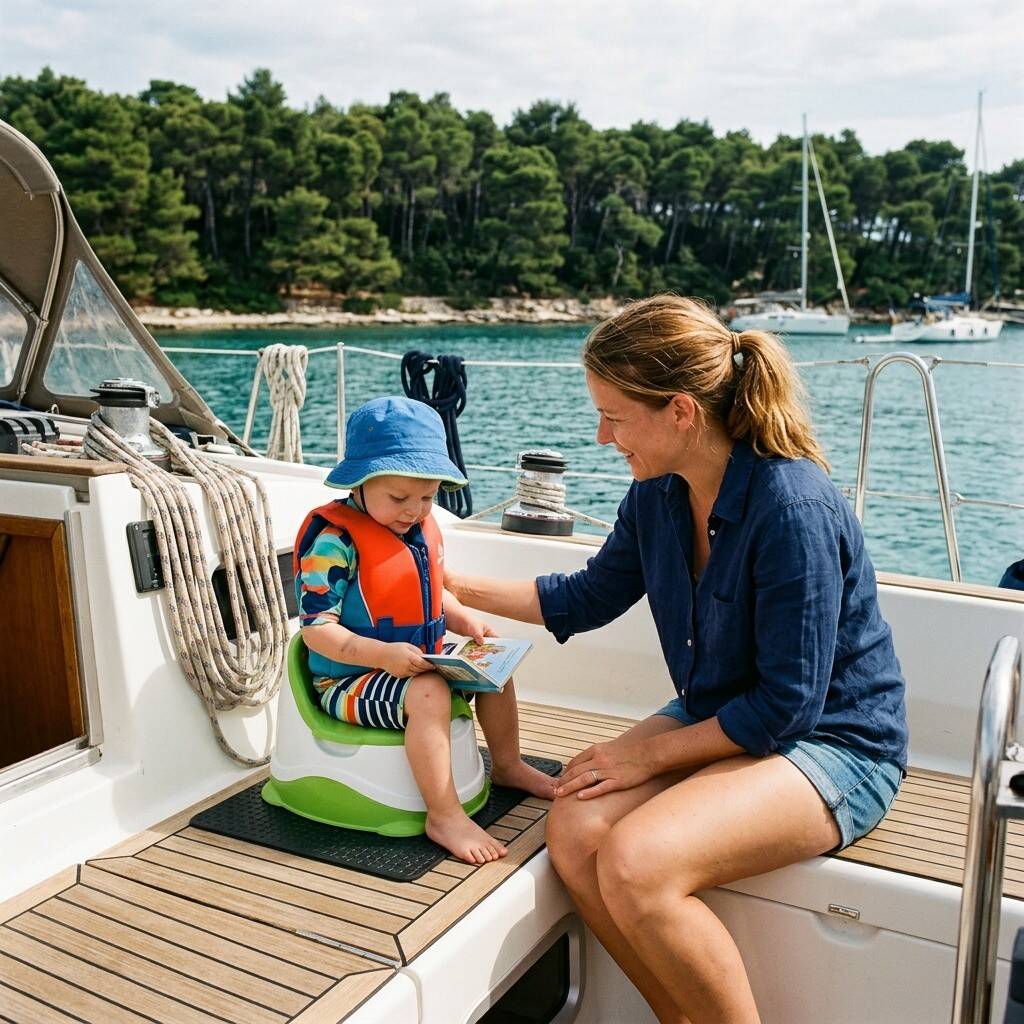
Be sure to pack a portable potty. A foldable one takes up almost no space and will save you the trouble of searching for public restrooms.
And now for the most important thing: wet wipes really do not belong in the ship’s toilet! A boat toilet clogged by a wet wipe is exactly what you want to deal with in 30-degree heat, right? Irony aside, throw them in the trash in a plastic bag. Don’t forget your own children’s first-aid kit, which you know well, and dress in layers—UV-protective clothing and a waterproof jacket are essential.
Seasickness in Children and How to Prevent It
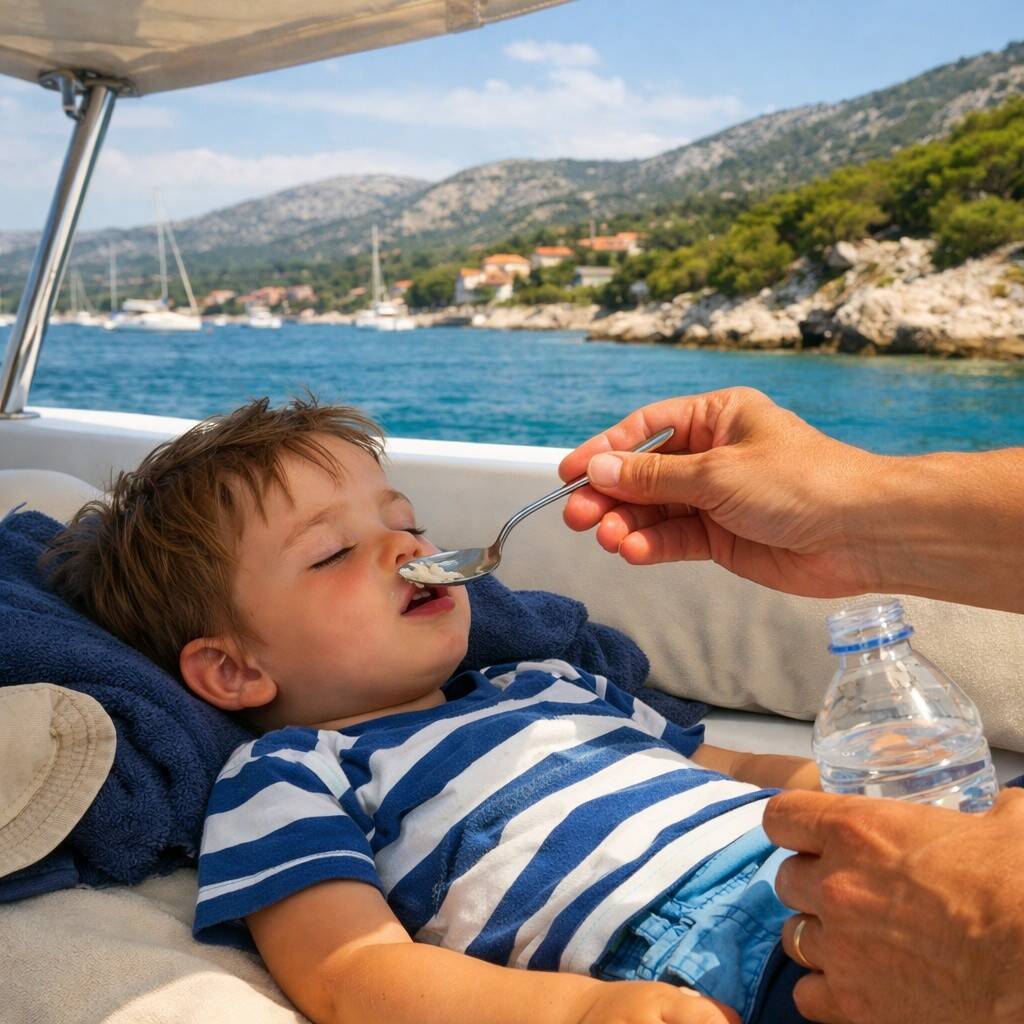
Yes, even young children can get seasick. According to pediatricians, they can experience it as early as age two, even if they can’t tell you yet. How can you tell? The child looks pale, is quiet (which is always a cause for concern with a toddler), and lies down.
Resting in a lying position, staying in the shade on deck, and giving them water by the spoonful can help. Dry, unsalted crackers work great for soothing the stomach.
Fun for Little Sailors: How to Keep Kids Happy
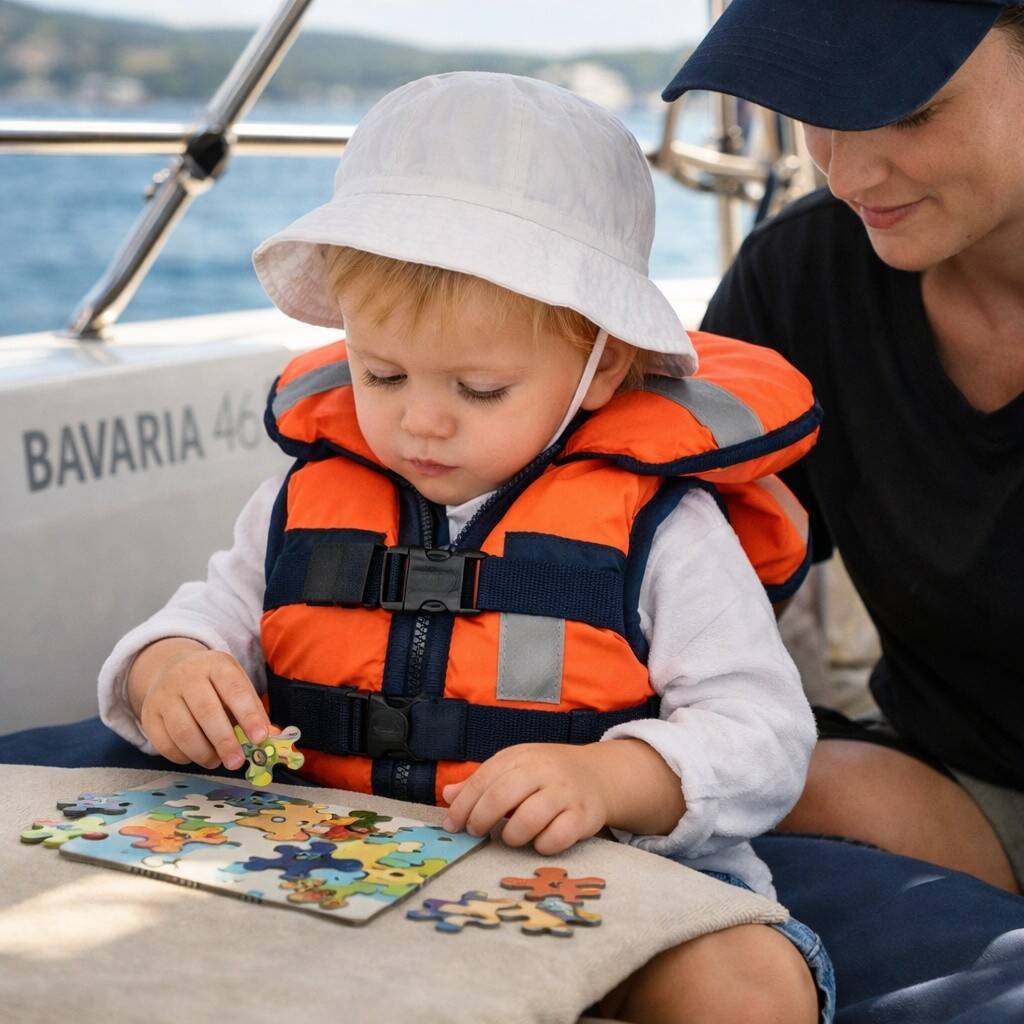
A toddler doesn’t need sophisticated entertainment, but constant stimulation. A long boat ride without the chance to move around will quickly bore them. What works? Bubble wands, stickers, coloring books, puzzles.
And Legos! Just be careful—don’t forget to move them to the other side before turning the boat, or you’ll have a minefield on deck. And stepping on a Lego brick with a bare foot on a rocking boat hurts as if someone were hitting you over the head with a club. Regular stops at beaches will also do you a world of good—sand is the ultimate time-killer for kids.
Where to go and how to plan the perfect route
Don’t try to be a sailor like Magellan, who had to sail around the world at any cost. With a toddler, there’s no set schedule. There’s only the child’s mood. And that determines everything.
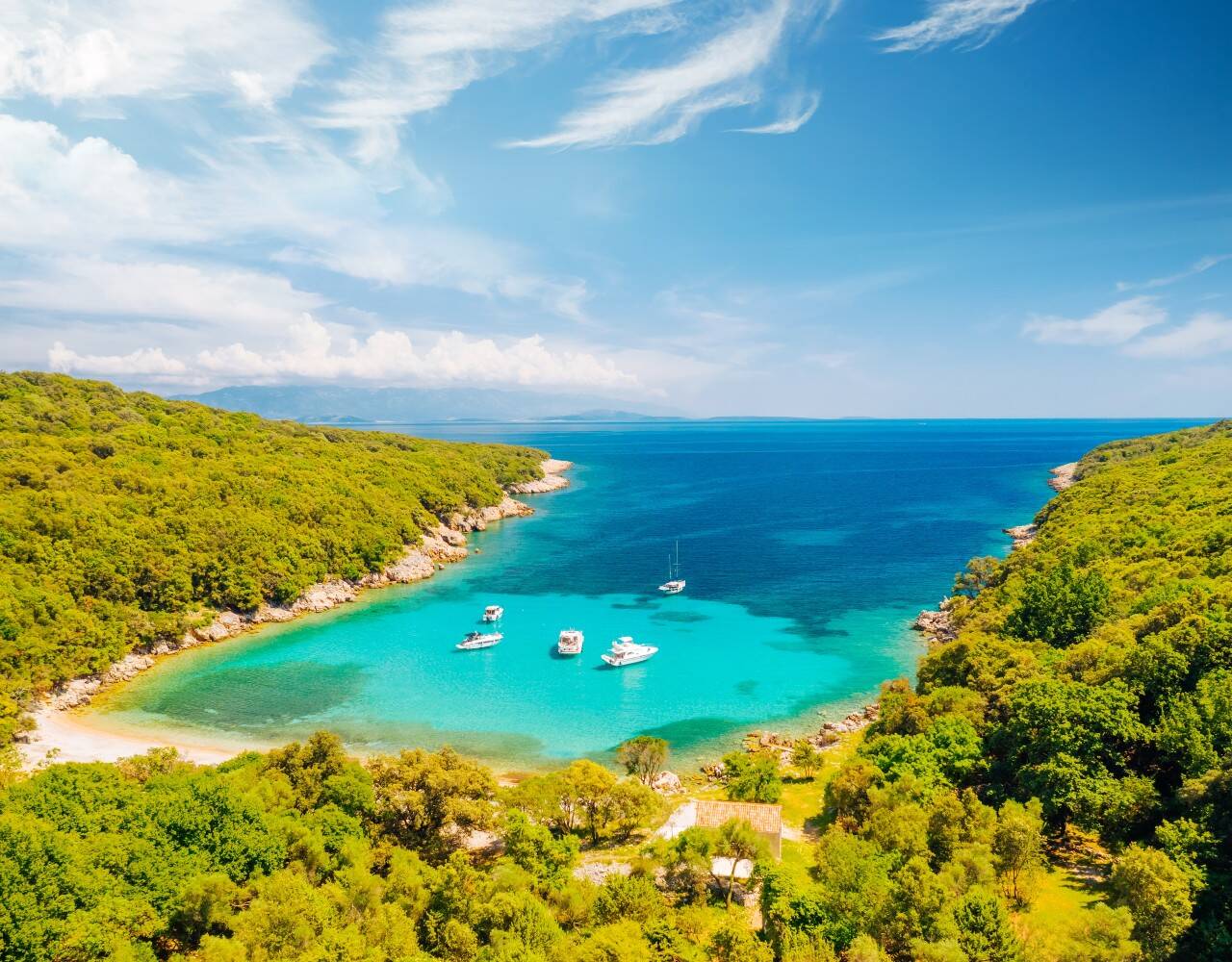
It works best to plan for a maximum of 3–4 hours of sailing per day, ideally in the morning. The rest of the day is then for swimming, playing on the beach, and enjoying ice cream. Ideal destinations? Croatia, Italy, or Greece—ideally outside the hottest summer months, when the sea is calmer and the sun isn’t so intense. And always have a Plan B. You might even need a Plan C if the child decides that today, they simply aren’t going sailing anywhere.
Does that mean sailing with kids is all about sacrifice, constant supervision, and stress? Not at all! When you see the sparkle in your child’s eyes the first time they see a dolphin jumping, or when they proudly turn the wheel with you, you’ll realize it’s all worth it. So cast aside your worries, pack your bags, don’t forget the potty, and set off on a new family adventure. Ahoy and fair winds!
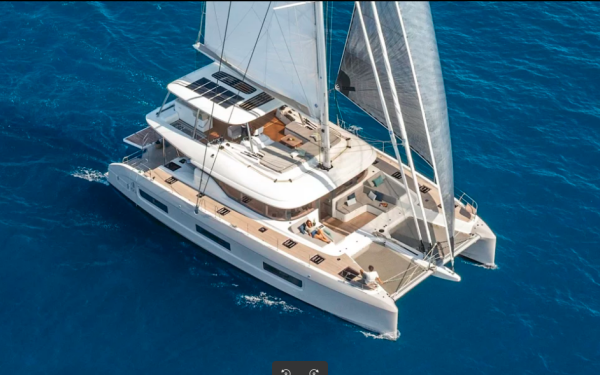
Lagoon 60 Catwalk I
-
Year 2026
-
Cabins 4 + 2
-
Persons 8
-
WC 4
-
Length 65 ft

Lagoon Sixty 5 Amada Mia - CREWED
-
Year 2021
-
Cabins 4 + 2
-
Persons 8 + 3
-
WC 4 + 1
-
Length 67 ft
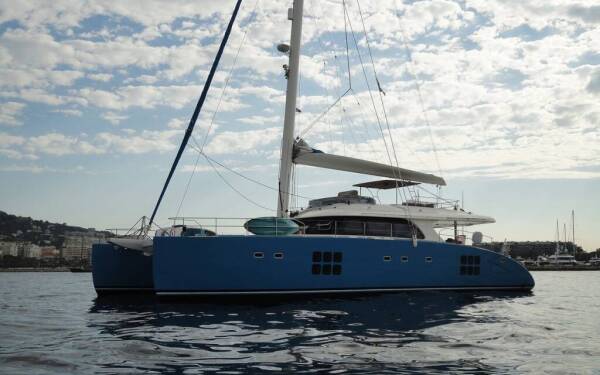
Sunreef 70 Midori
-
Year 2026
-
Cabins 3 + 4
-
Persons 6 + 4
-
WC 3 + 1
-
Length 70 ft

Sunreef 70 Power Amber One
-
Year 2023
-
Cabins 4 + 2
-
Persons 8 + 3
-
WC 5
-
Length 70 ft

Greenline 58 Seven Seas
-
Year 2025
-
Cabins 3 + 1
-
Persons 6 + 1
-
WC 3 + 1
-
Length 63 ft

Mazarin 55 October
-
Year 2024
-
Cabins 5
-
Persons 10 + 1
-
WC 3 + 1
-
Length 55 ft

Lagoon 60 Princess Karla
-
Year 2025
-
Cabins 4 + 2
-
Persons 8 + 2
-
WC 4 + 1
-
Length 65 ft

Sunreef 70 n + 1
-
Year 2024
-
Cabins 5 + 2
-
Persons 10 + 4
-
WC 5
-
Length 70 ft
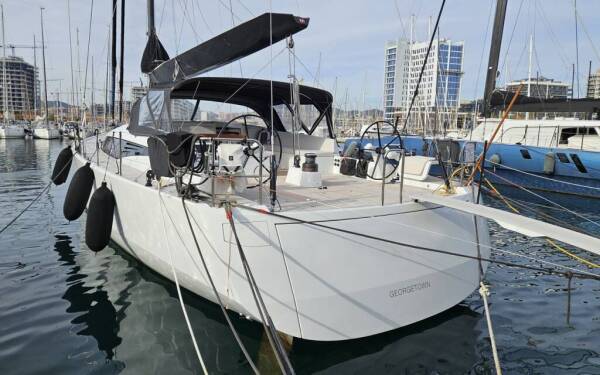
CNB 76 Bubbles
-
Year 2020
-
Cabins 3 + 1
-
Persons 7 + 2
-
WC 3 + 1
-
Length 76 ft

Jeanneau 64 Aria
-
Year 2016
-
Cabins 4
-
Persons 8 + 1
-
WC 3
-
Length 66 ft
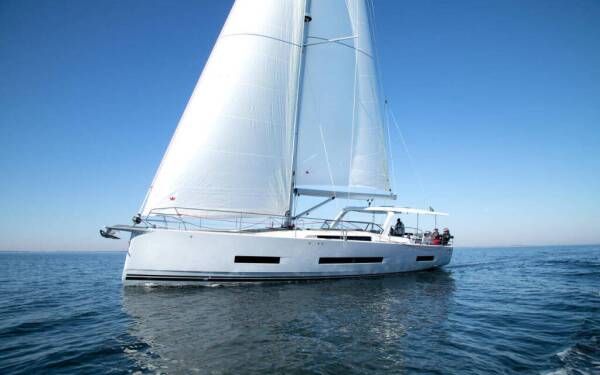
Hanse 590 Art H
-
Year 2026
-
Cabins 4 + 1
-
Persons 8 + 2 + 1
-
WC 2 + 1
-
Length 58 ft

Bavaria C57 Olimp
-
Year 2024
-
Cabins 5 + 1
-
Persons 10 + 1 + 1
-
WC 3 + 1
-
Length 55 ft

Hanse 588 Joanna
-
Year 2023
-
Cabins 3 + 1
-
Persons 6 + 2 + 1
-
WC 3 + 1
-
Length 56 ft

Grand Soleil 52 LC Morea
-
Year 2024
-
Cabins 4
-
Persons 8
-
WC 3
-
Length 56 ft

Oceanis 60 Scorpio III
-
Year 2025
-
Cabins 3 + 1
-
Persons 6 + 2 + 1
-
WC 3
-
Length 62 ft
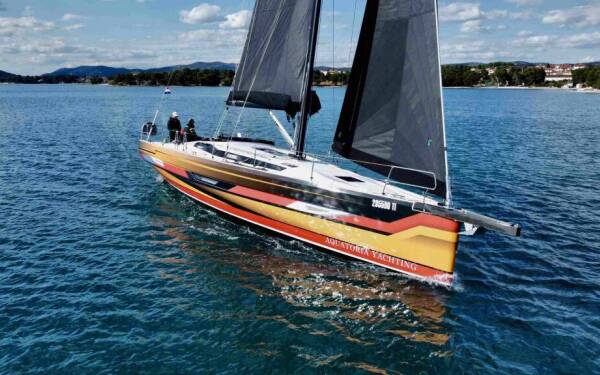
Elan E6 Iron Man
-
Year 2024
-
Cabins 4
-
Persons 8 + 2
-
WC 2
-
Length 50 ft
Latest from Blog

The Art of Mooring a Boat: Common Mistakes and How to Avoid Them
Becoming an experienced captain isn’t just about knowing how to handle the sails or stay on course. The real test comes when you’re approaching a pier, a buoy, or a marina. Why? Because anchoring and mooring a boat is the discipline where things most often go wrong—and often result in damaged fenders, keels, and the crew’s nerves. Let’s take a look at how to moor like a pro and avoid the most common mistakes.
Peace, quiet, and the endless sea: The magic of a boat vacation
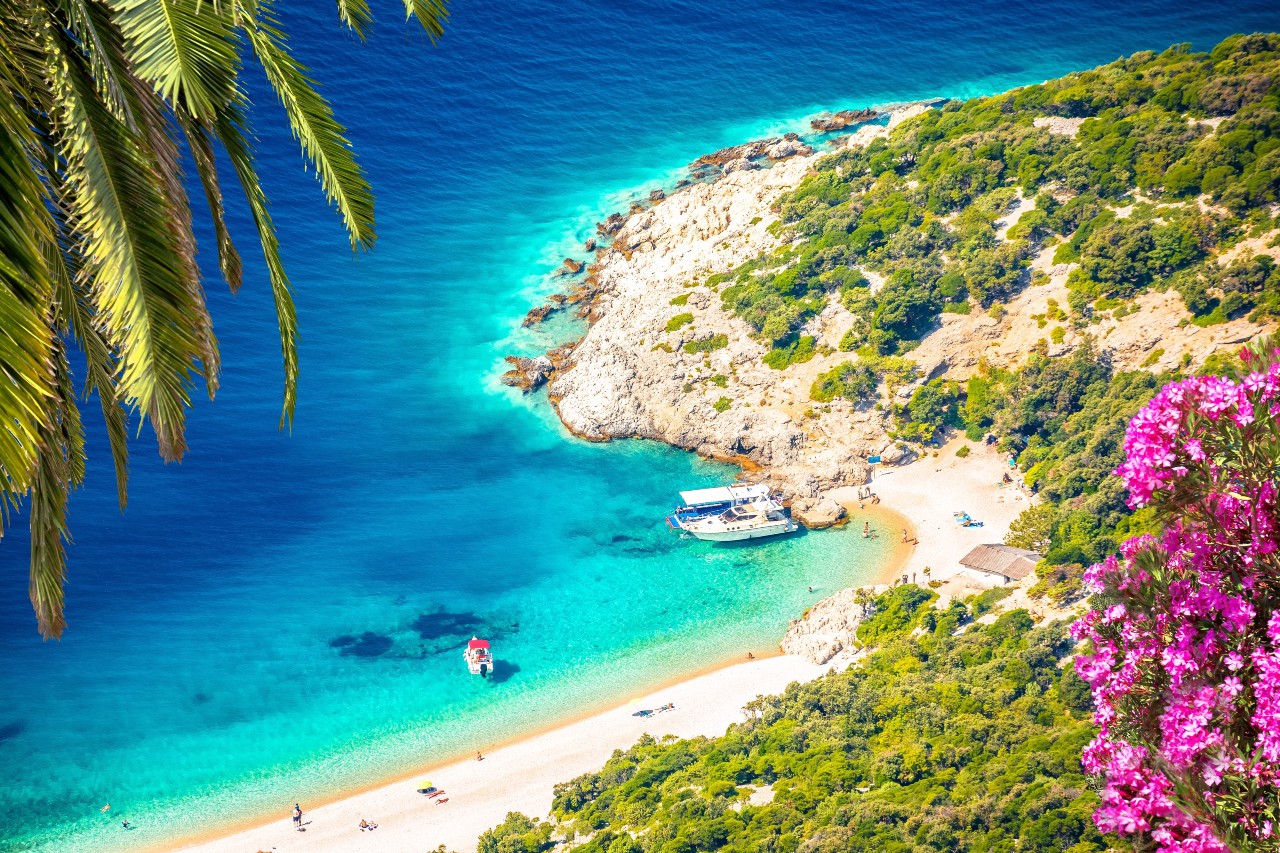
Do you remember that vacation you came back from more exhausted than when you left? The line for breakfast, the loud entertainers by the pool, and the never-ending battle for a lounge chair—which felt more like a morning supermarket clearance sale than a well-deserved break? I certainly do. And I’m far from the only one who said to myself, “Never again.”
Trends are changing. And they’re changing dramatically. Welcome to an era where simple silence is becoming the greatest luxury.
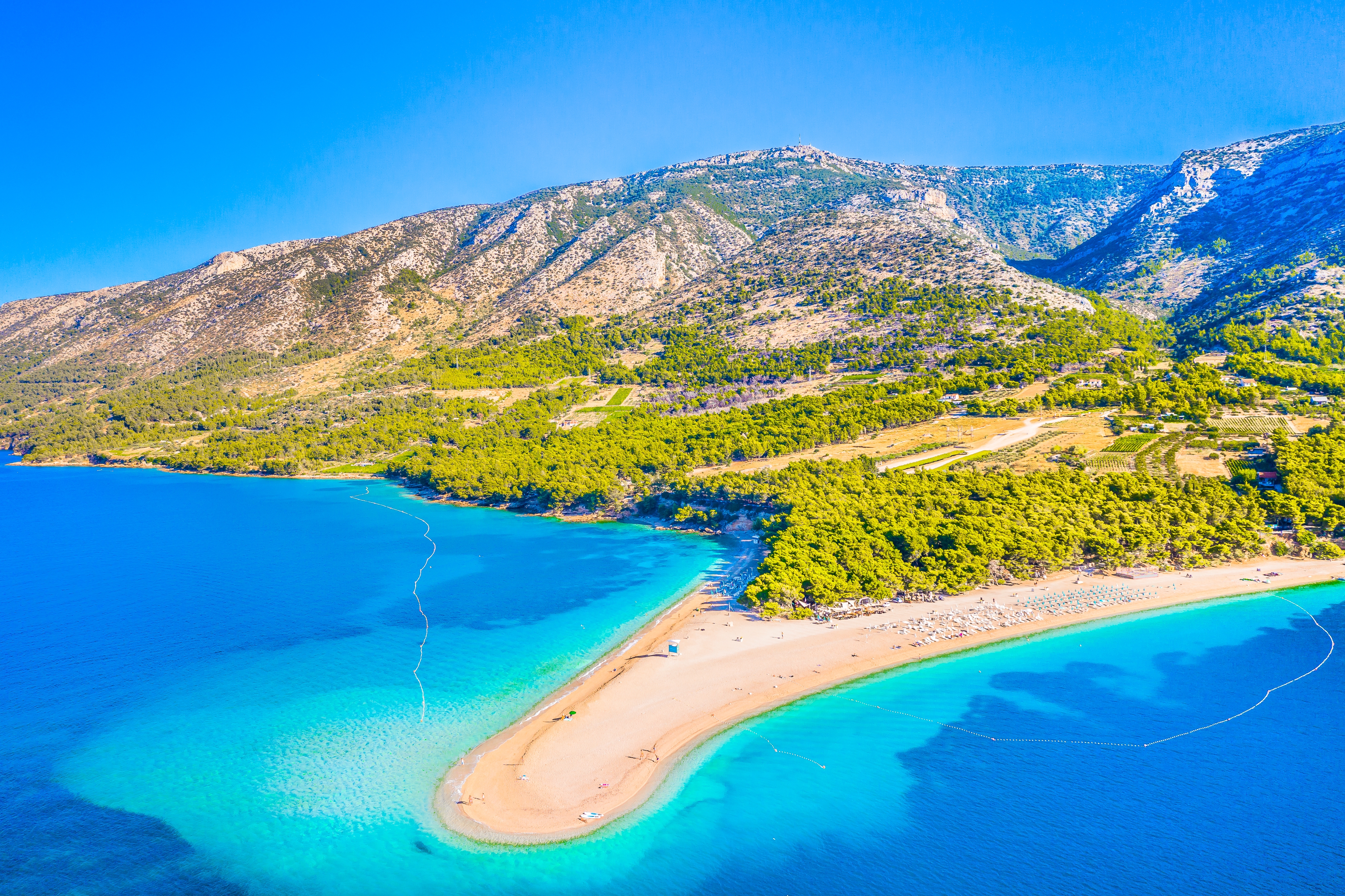
Where are the best places to swim on the Adriatic? A Guide for Sailors
Croatia is close by, with crystal-clear waters, a rugged coastline, and thousands of islands glistening on the horizon. And when you add to that the privacy of your own sailboat, which will take you exactly where you point on the map… well, tell me, can you resist? Let’s take a look together at the best places to swim in the Adriatic—and, most importantly, why yachting in Croatia is the smartest way to discover this country.

