

From the Deck to the Wall: How to Combine a Passion for Sailing and Climbing

The best spots for sea climbers in the Split area
The wider Split area is a true paradise for climbers. There are more than 1,200 climbing routes here that will satisfy both complete beginners and seasoned professionals. The wider Split area is a true paradise for climbers. There are more than 1,200 climbing routes here, catering to everyone from complete beginners to seasoned professionals.
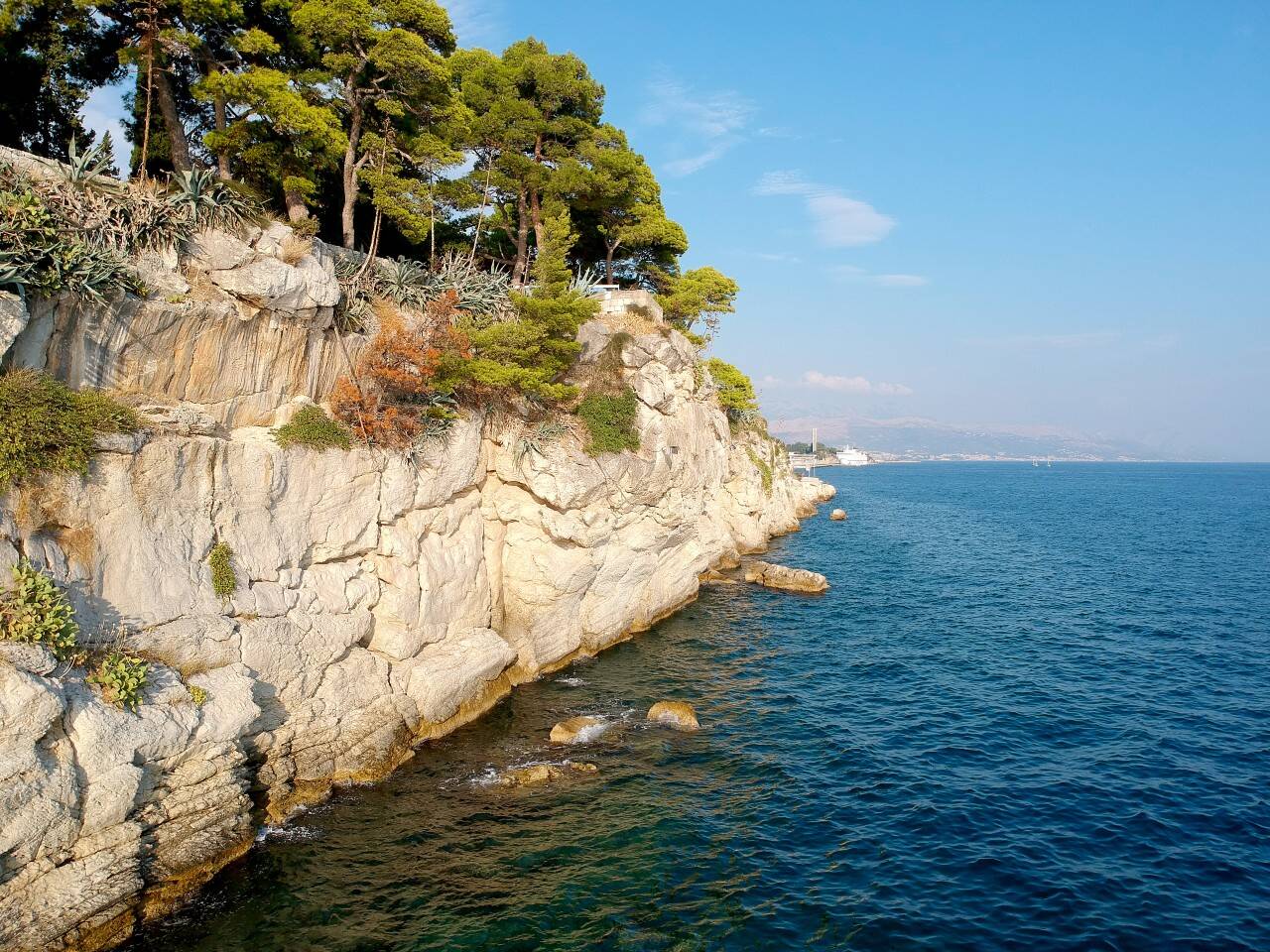
Sustipan and Kašjuni: Adrenaline in the Heart of Dalmatia
If you’re setting sail directly from Split, you don’t have to travel far to go climbing. Sustipan Park, located on the city’s southwestern cape, offers cliffs ranging from 6 to 10 meters in height. Here you’ll find roughly 25 different routes full of pockets and holds.
Another gem in Split is the Kašjuni area at the foot of Marjan Hill. With cliffs ranging from 2 to 10 meters high, it’s the perfect spot for beginners and DWS enthusiasts. You don’t need any special gear—just swim out to the rock and start climbing.
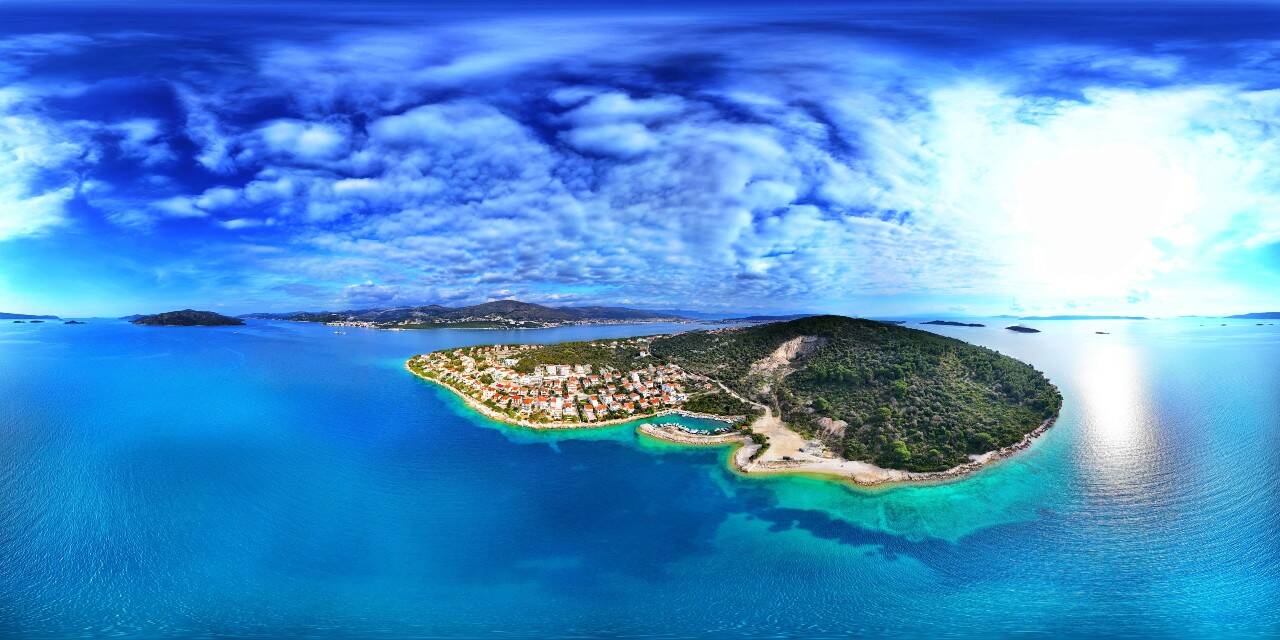
Čiovo Island: Inaccessible cliffs visible only from the deck of a boat
When you head out to sea from Split, be sure not to miss the island of Čiovo. Its southern side, facing the sea, hides fantastically shaped cliffs that reach heights of up to 20 meters. There are around 120 routes here, and the history of DWS began here nearly twenty years ago. These walls are best (and often only) accessible by boat. Be careful when anchoring, however, as the area is exposed to winds from the open sea.
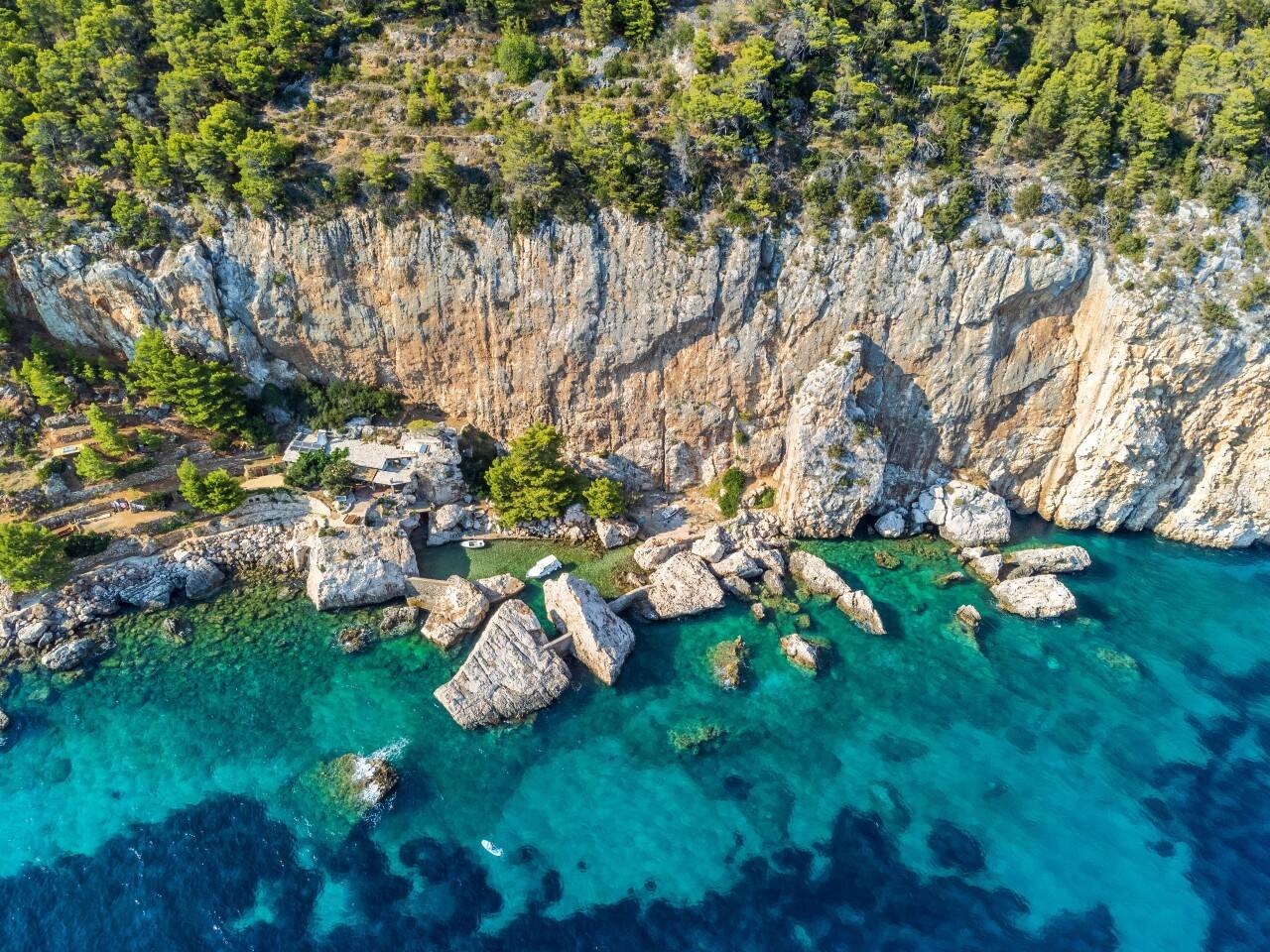
Island Challenges: Hvar and Its Vertical Cliffs
The island of Hvar is famous for its nightlife and luxury restaurants, but it also has plenty to offer climbing enthusiasts. On the southern side of the island, below its highest peak, Sv. Nikola, lies the small village of Sveta Nedjelja.
This spot is an absolute must-visit for climbing during a sailing trip. The routes here start just a few meters from the sea, and their height ranges from 8 to an impressive 40 meters. Both beginners and experts will find something to suit them here. For the most daring, there is a 300-meter-wide wall designed exclusively for Deep Water Solo.
The Northern Adriatic and Istria: Cliffs overlooking the archipelago
Not only Dalmatia, but also the northern part of the Croatian coast and Istria boast more than 1,200 climbing routes, many of which are literally within arm’s reach from the bow of a boat.
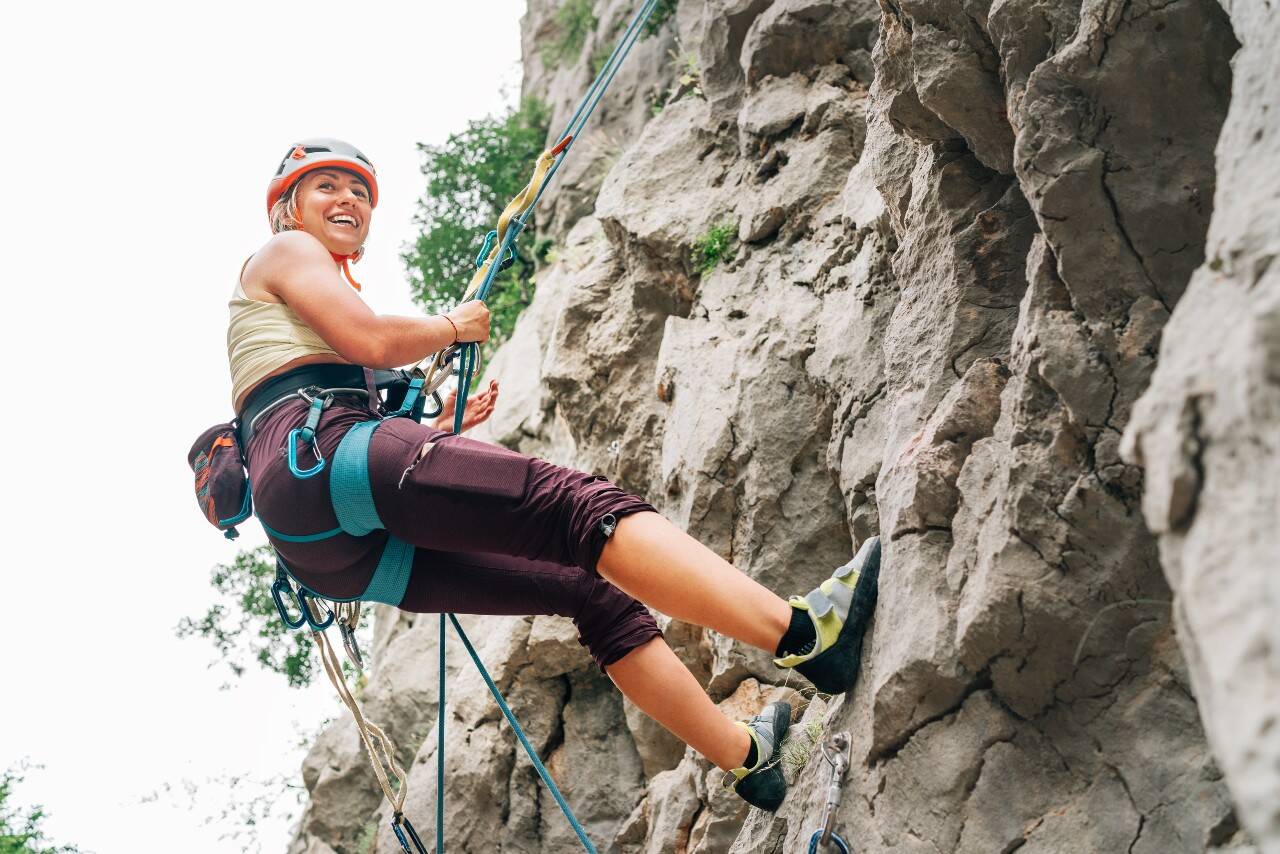
Paklenica National Park: A legendary climbing destination just a stone's throw away
What Viganj is to surfers, Paklenica National Park is to climbers. At the foot of the majestic Velebit Mountains lies Croatia’s largest and most popular climbing area, with nearly 600 routes. Yachters can safely anchor their boats in the harbor on the north side (ideal depth is 2 to 5 meters), which is partially sheltered from both the bora and the jugo winds. The ascent of the famous Anića kuk wall is a classic that no experienced climber should miss.
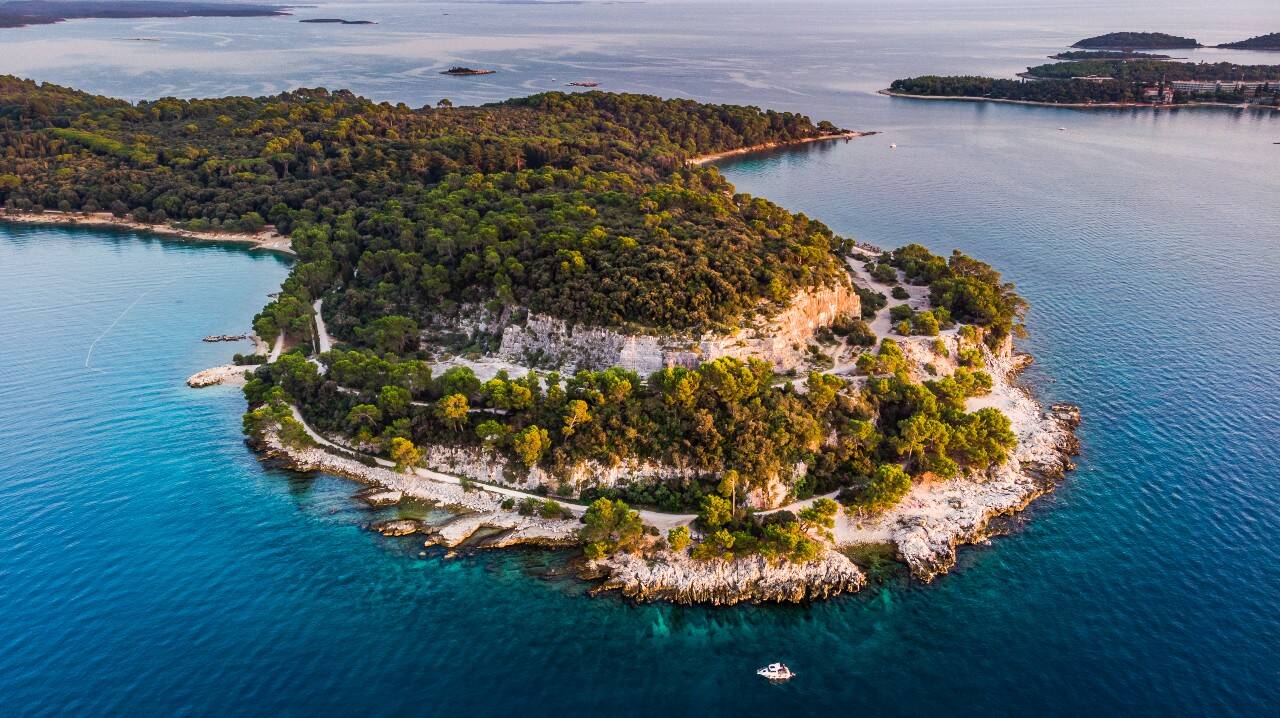
Zlatni rt and Medveja: Aesthetic Climbing in Istria
If you’re sailing around Istria, drop anchor at Rovinj. In the Zlatni rt forest park, you’ll find climbing routes just a few dozen meters from the sea. Climbing at sunset, when the sun’s rays reflect off the sea and you have a view of the Rovinj archipelago, is an unforgettable aesthetic experience. On the eastern coast of Istria, at the foot of the Učka Mountains, lies Medveja, which offers some of the most challenging climbing routes in the country.
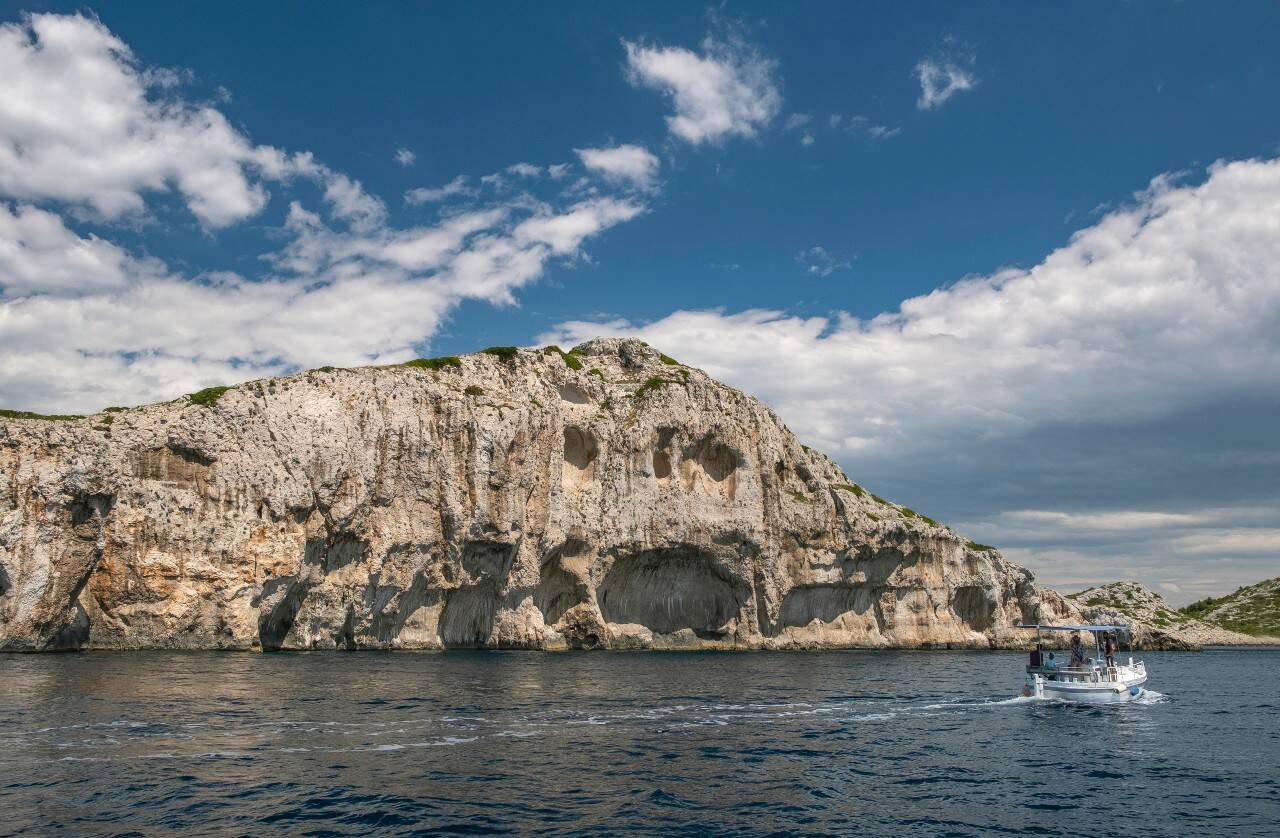
Kornati National Park: Vertical Cliffs Over the Open Sea
The Kornati archipelago, consisting of 89 uninhabited islands and reefs, is a maritime paradise. Its symbol is the so-called "crowns"—steep vertical cliffs facing the open sea. The highest of these, on the island of Klobučar, measures 82 meters, while the underwater section near the island of Piškera drops to a depth of over 90 meters.
Although cliff climbing may be temporarily prohibited within the national park boundaries to protect nesting birds, the wider Kornati area and adjacent islands are globally recognized as one of the best destinations for DWS in Europe.
Practical Tips for Planning a Sailing and Climbing Expedition
Combining sailing and climbing requires a bit of planning. Always keep a close eye on the weather forecast, as cliffs exposed to the open sea can be dangerous for both climbers and anchored boats in strong winds and waves.
Whether you’re a seasoned sea dog with calluses from ropes or an enthusiastic beginner looking to add a bit of adrenaline to your vacation, the Croatian coast won’t disappoint you. Swap the helm for limestone holds for a moment, defy gravity, and enjoy that unique feeling of freedom that only a bird’s-eye view of your boat’s deck can offer. Happy sailing and a firm grip!
Latest from Blog

The Art of Mooring a Boat: Common Mistakes and How to Avoid Them
Becoming an experienced captain isn’t just about knowing how to handle the sails or stay on course. The real test comes when you’re approaching a pier, a buoy, or a marina. Why? Because anchoring and mooring a boat is the discipline where things most often go wrong—and often result in damaged fenders, keels, and the crew’s nerves. Let’s take a look at how to moor like a pro and avoid the most common mistakes.
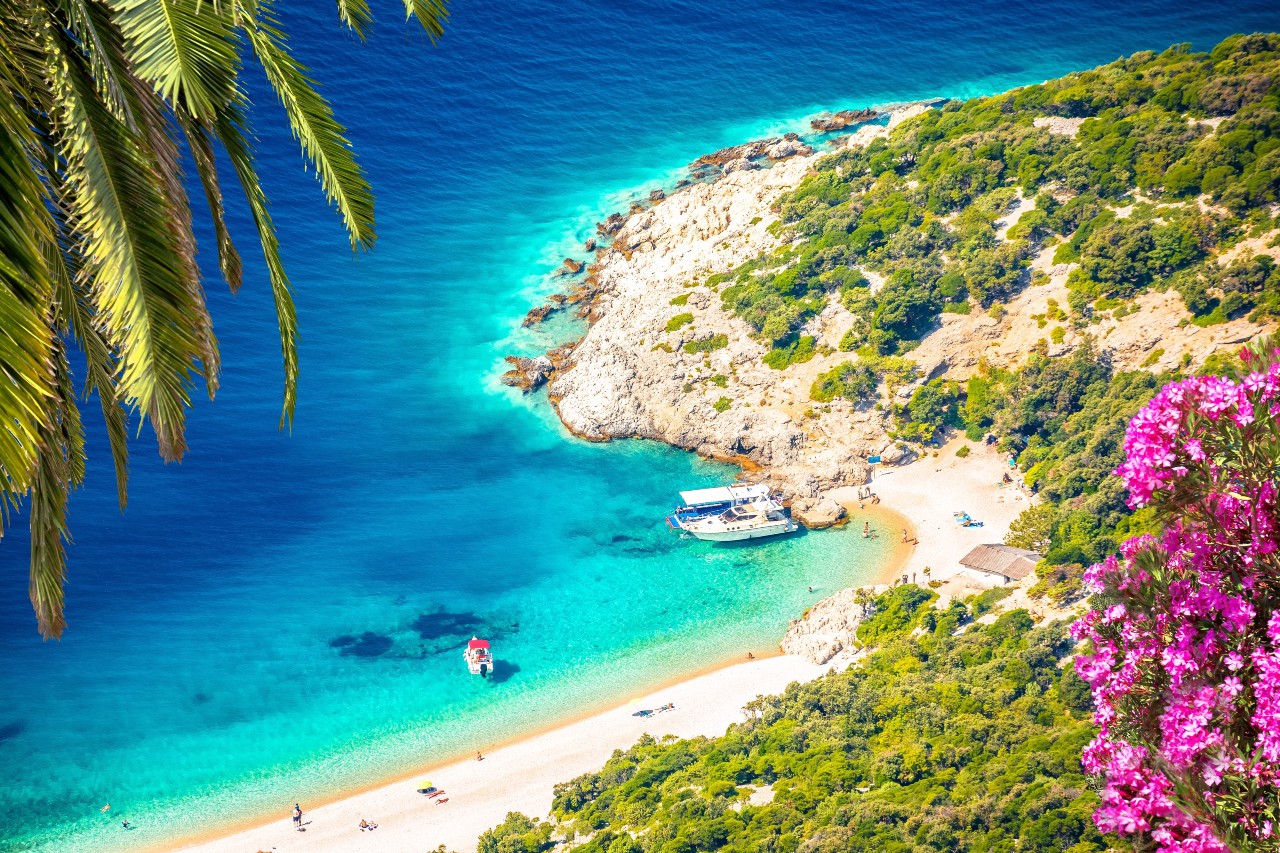
Peace, quiet, and the endless sea: The magic of a boat vacation
Do you remember that vacation you came back from more exhausted than when you left? The line for breakfast, the loud entertainers by the pool, and the never-ending battle for a lounge chair—which felt more like a morning supermarket clearance sale than a well-deserved break? I certainly do. And I’m far from the only one who said to myself, “Never again.”
Trends are changing. And they’re changing dramatically. Welcome to an era where simple silence is becoming the greatest luxury.
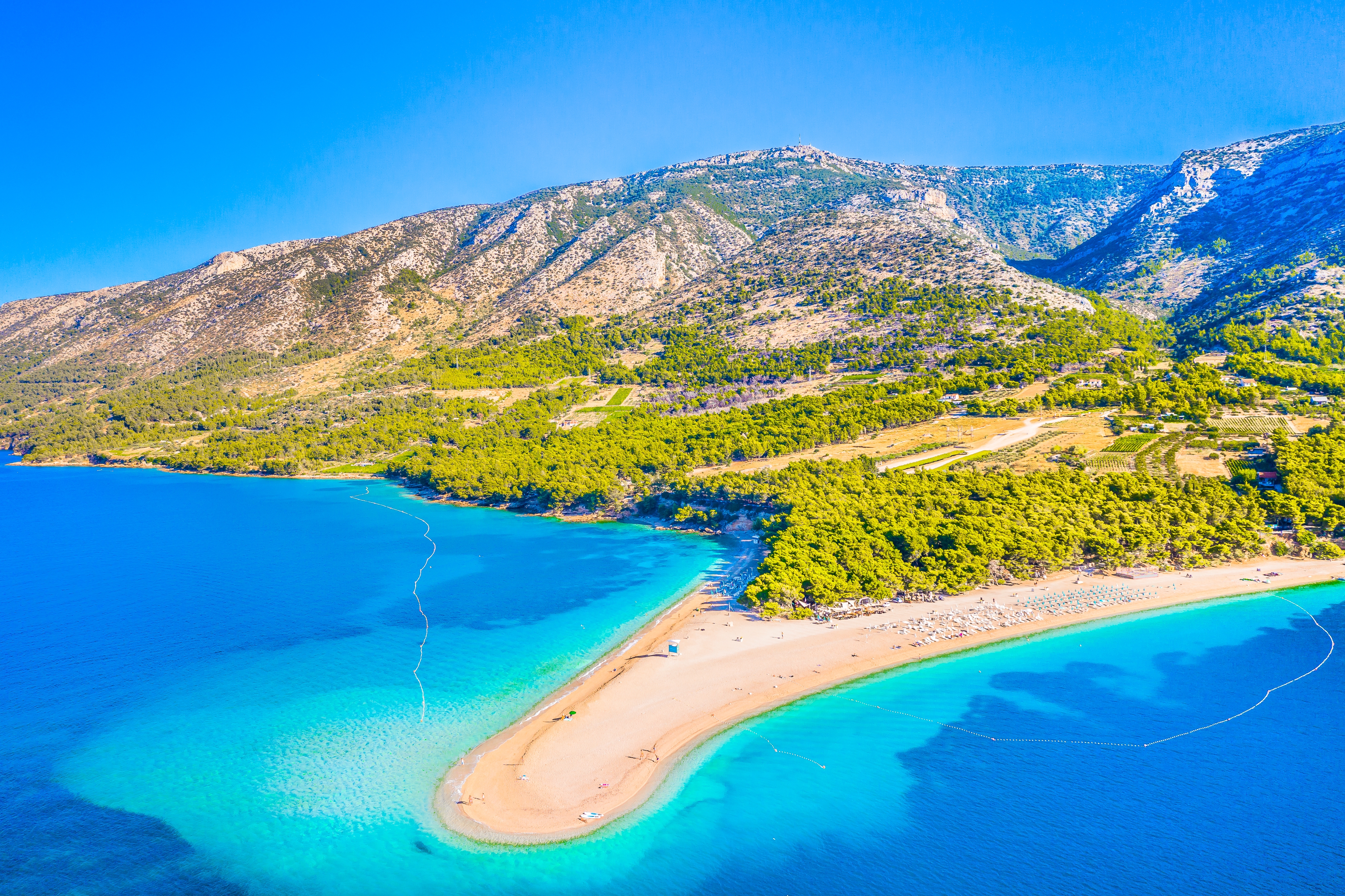
Where are the best places to swim on the Adriatic? A Guide for Sailors
Croatia is close by, with crystal-clear waters, a rugged coastline, and thousands of islands glistening on the horizon. And when you add to that the privacy of your own sailboat, which will take you exactly where you point on the map… well, tell me, can you resist? Let’s take a look together at the best places to swim in the Adriatic—and, most importantly, why yachting in Croatia is the smartest way to discover this country.

