

The Wild Beauty of Corsica: A 7-Day Itinerary Full of Mountains, Beaches, and History
The ideal time for sailing and wind conditions
When to set sail? May, June, September, and October. August in Corsica is ideal only if you love feeling like a sardine in an overcrowded can and enjoy fighting for every square meter in the bay. Spring is beautifully blooming here, and fall offers fantastic wind conditions for those who’ve already sailed a fair bit.
And the wind? It does whatever it wants here. It usually blows from the northwest, so you sail around the island counterclockwise. But be prepared for the Mistral, Tramontana, or Scirocco to make an appearance. The wind here can change direction faster than a politician before an election.
Safety at Sea and Route Difficulty
“Captain, is the anchor holding?” my partner asked me, fear in his eyes, when a nighttime gust of wind caught us off guard at the southern tip of the island. Corsica, and especially the strait near Bonifacio, can be rough. The wind here can easily pick up to 25 knots out of nowhere. The sea can become so rough in an instant that you feel as if someone has thrown you into a running washing machine.
That’s why there’s one golden rule: always keep an eye on the weather forecast. Fortunately, the coastline is as rugged as Swiss cheese, so there’s always a cove where you can hide from the storm. But if you’re on a boat for the first time and don’t know how to tie a bowline knot, you’d better bring an experienced skipper along.
North vs. South: Which part of the island should you choose?
You’re standing at the helm, wondering which way to turn. North or south? What do you really want out of life?
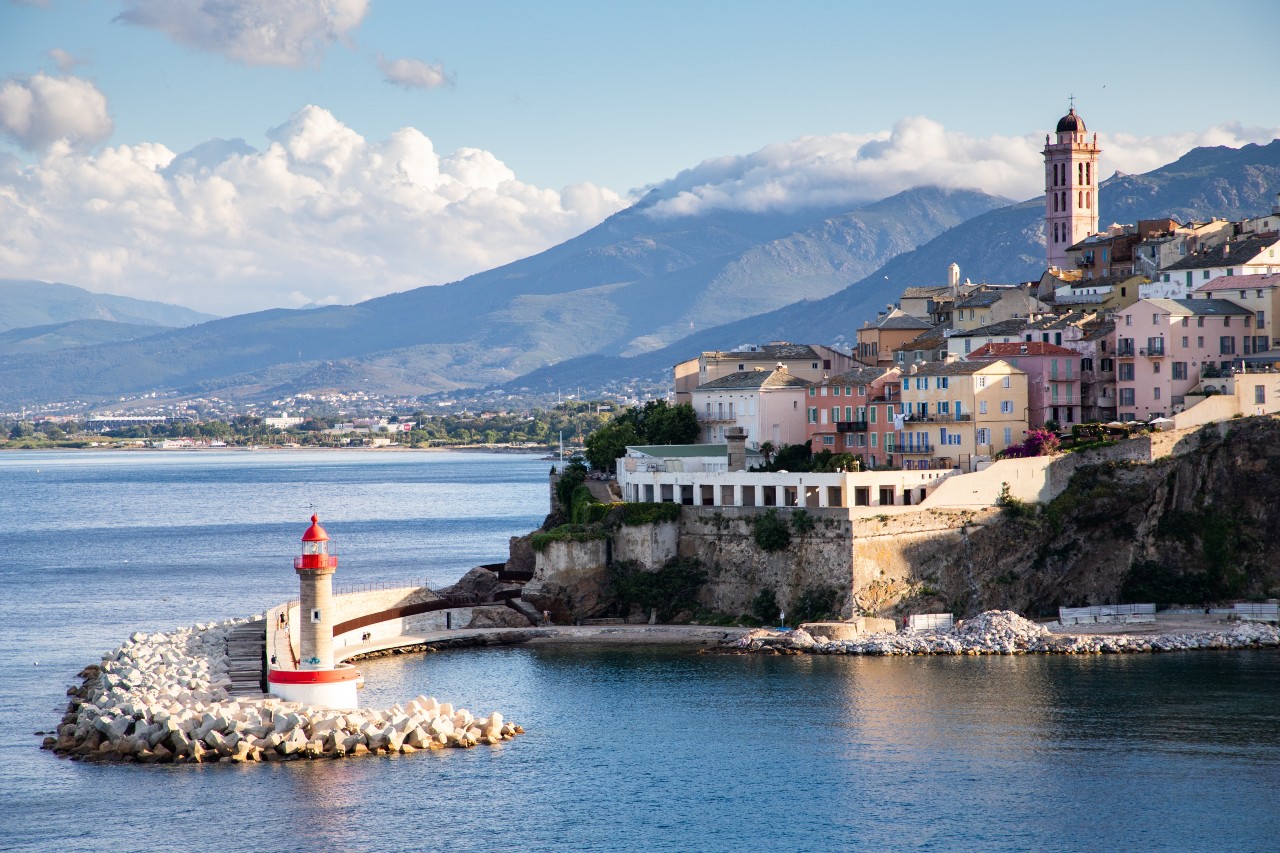
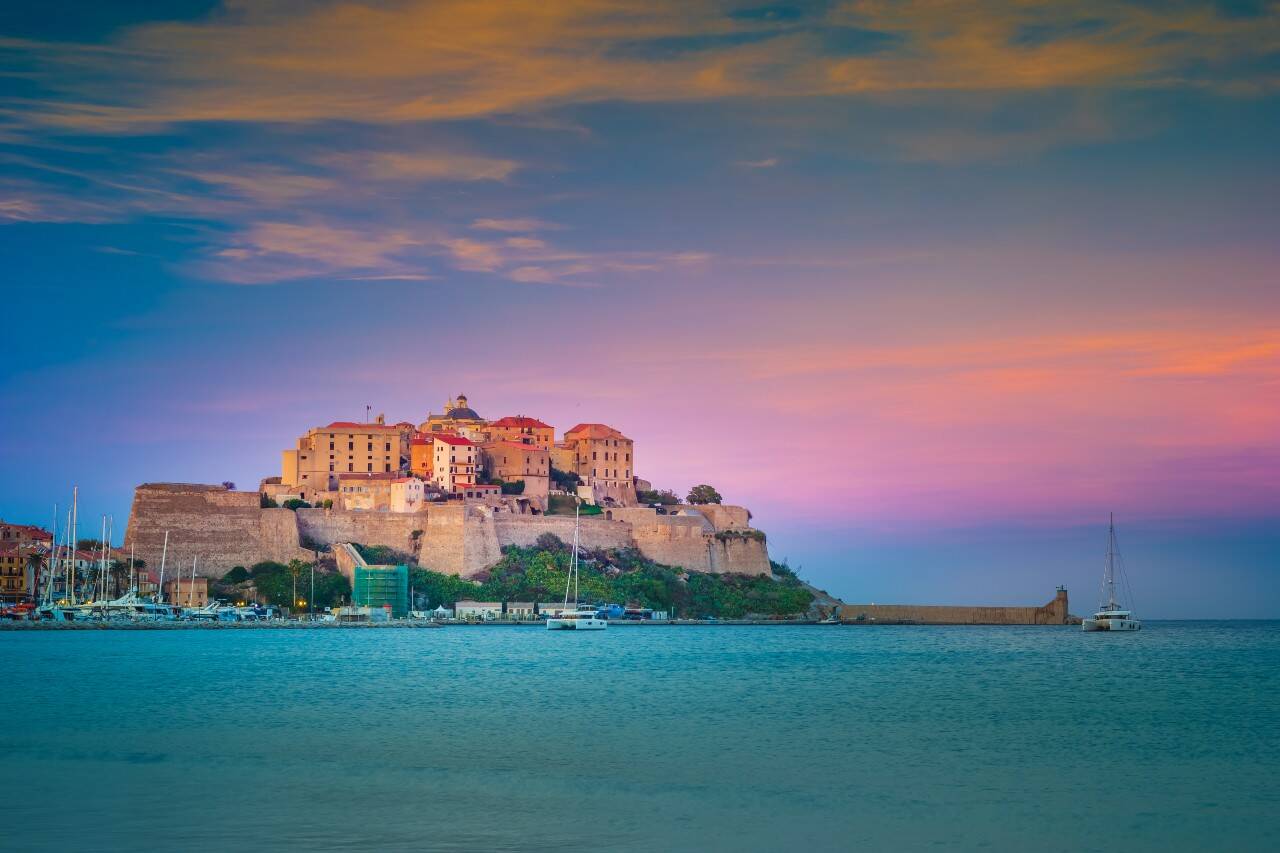
If you’re a history buff who loves wandering through old streets, the north will win you over. Towns like Calvi and Bastia have an incredible atmosphere. And the Scandola Nature Reserve? You’ll be blown away by the sight of seals and dolphins there.
The south, on the other hand, is a paradise for beach bums and lovers of romantic coves. Here you’ll find Porto Vecchio, the famous Palombaggia Beach, and of course the majestic Bonifacio. Personally, I can’t get enough of the south. It’s simply a safe bet if you want a combination of a more peaceful cruise and kitschy-beautiful views.
Detailed 7-day itinerary along the southwest coast
Here’s my tried-and-true plan for getting the most out of southern Corsica. Rent a boat in Ajaccio. There’s an airport there, two marinas right next to each other, and best of all—it’s the perfect starting point.
Day 1: Arrival in Ajaccio and in the footsteps of Napoleon Bonaparte
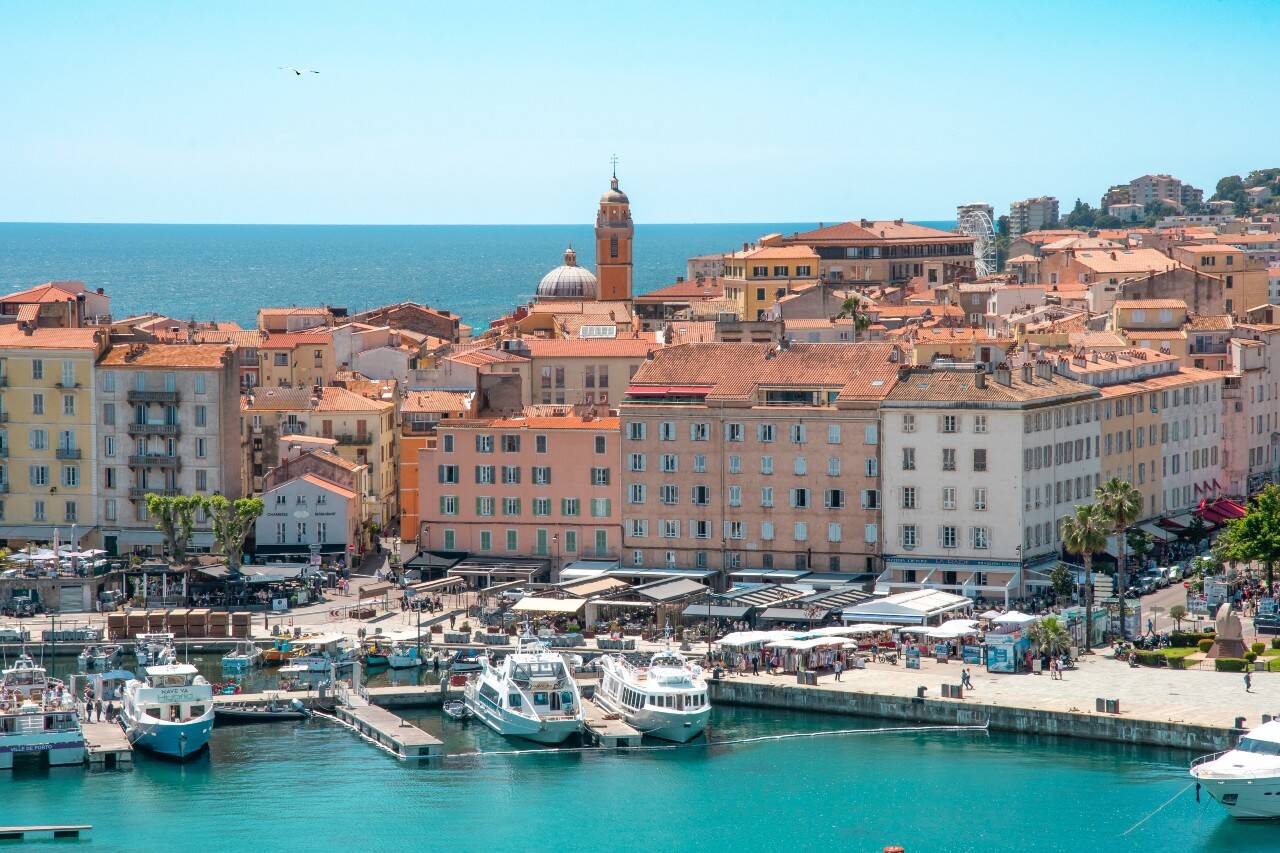
The first day is always a bit of organized chaos. Take over the boat, check the sails, stock up on supplies (especially wine and cheese, of course). But once you’re done, head into town. Ajaccio is noisy, but it has its charm. It’s the birthplace of Napoleon Bonaparte. You can walk in his footsteps and visit the Maison Bonaparte. In the evening, enjoy your first Corsican dinner right at Tino Rossi Harbor. Napoleon would surely be pleased with us if he could see us stuffing ourselves with local specialties.
Day 2: A trip into the wilderness at Cala di Conca Bay
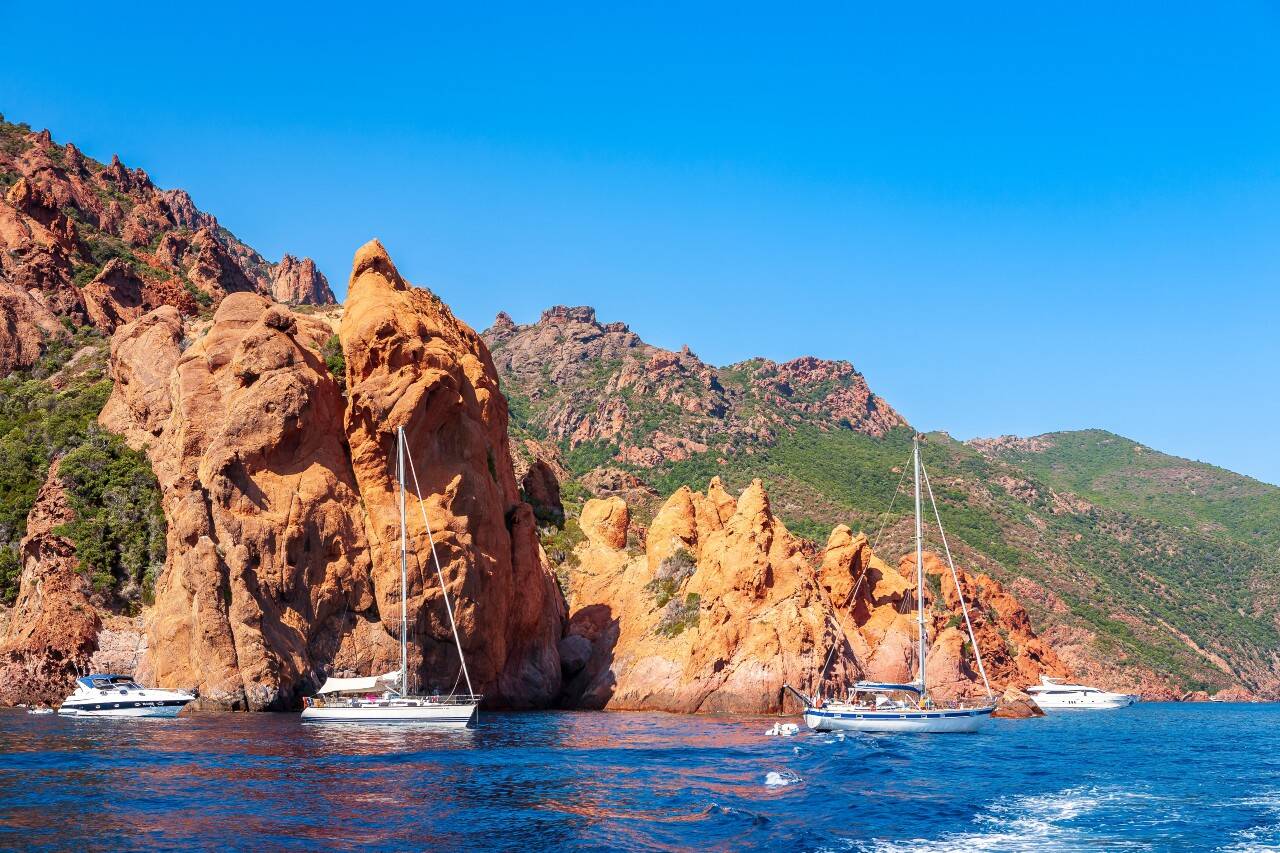
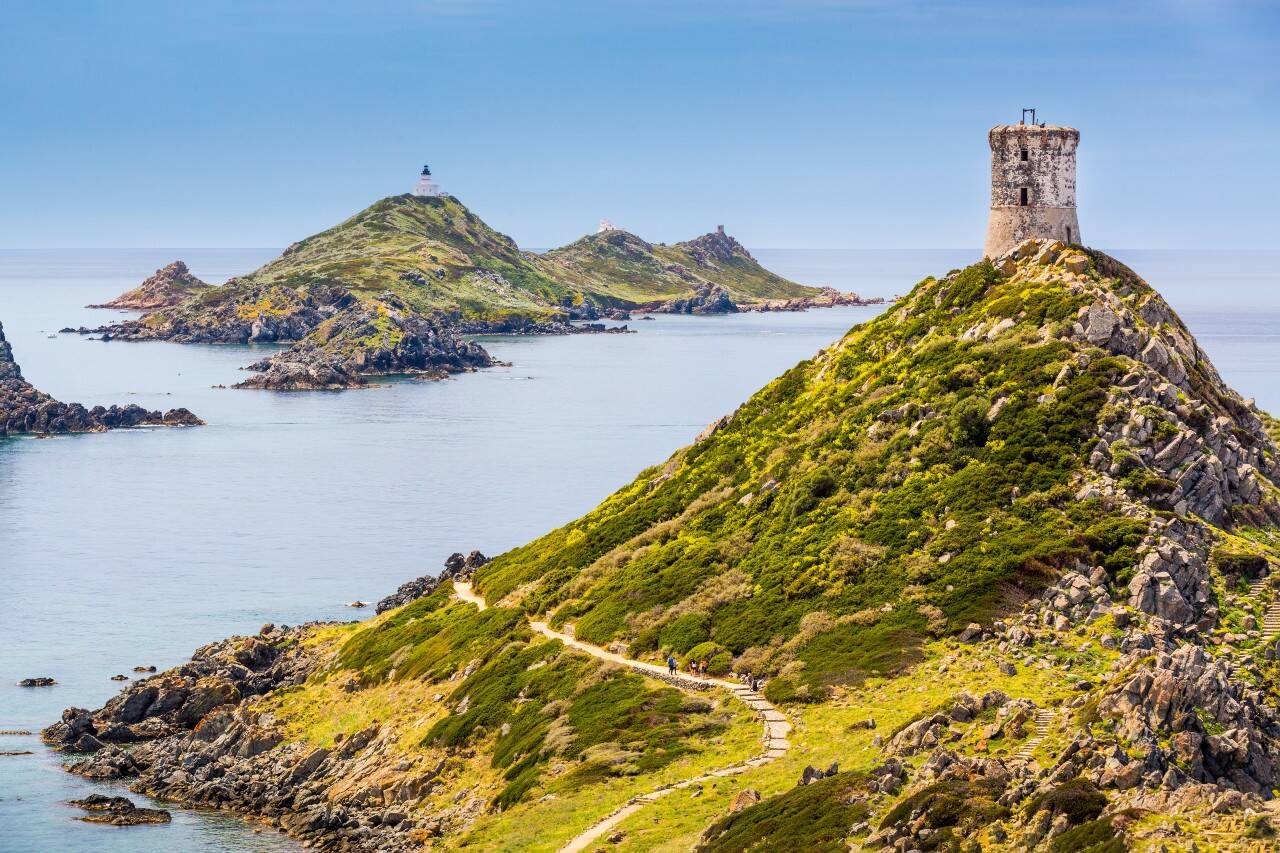
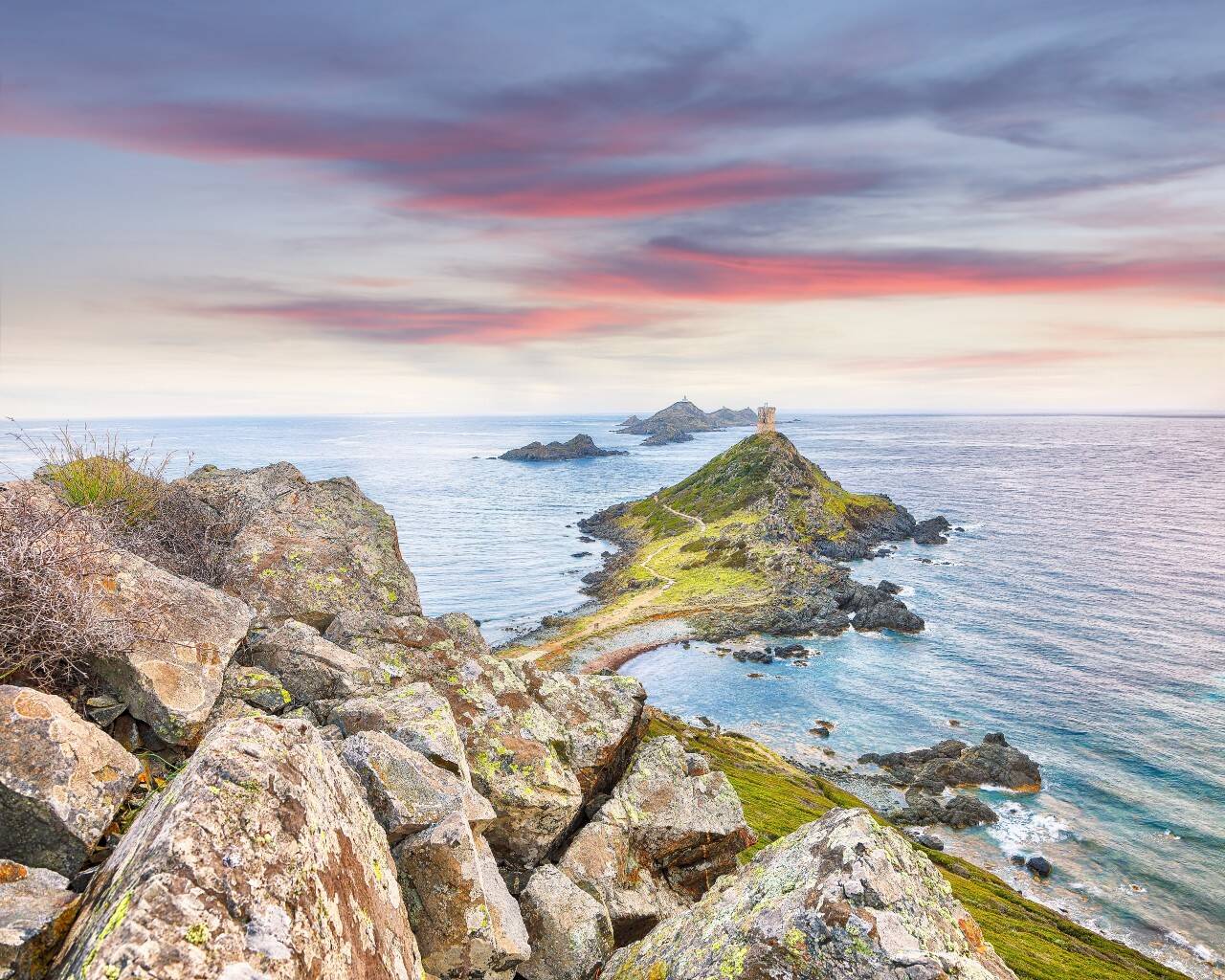
In the morning, we start the engines, hoist the sails, and head south. We pass the Sanguinaires. At sunset, these red granite cliffs look as if they’re actually on fire. Legend has it that many ships have been wrecked here in bad weather. Fortunately, we keep our distance.
On the way, we take a swim at Cala d'Orzu and anchor for the night at Cala di Conca. What’s the best thing about this place? There’s no cell service. No emails, no notifications. Just you, the stars, and the sound of the sea. Do we really need constant internet access to live when we have this?
Day 3: Majestic Bonifacio and the limestone cliffs
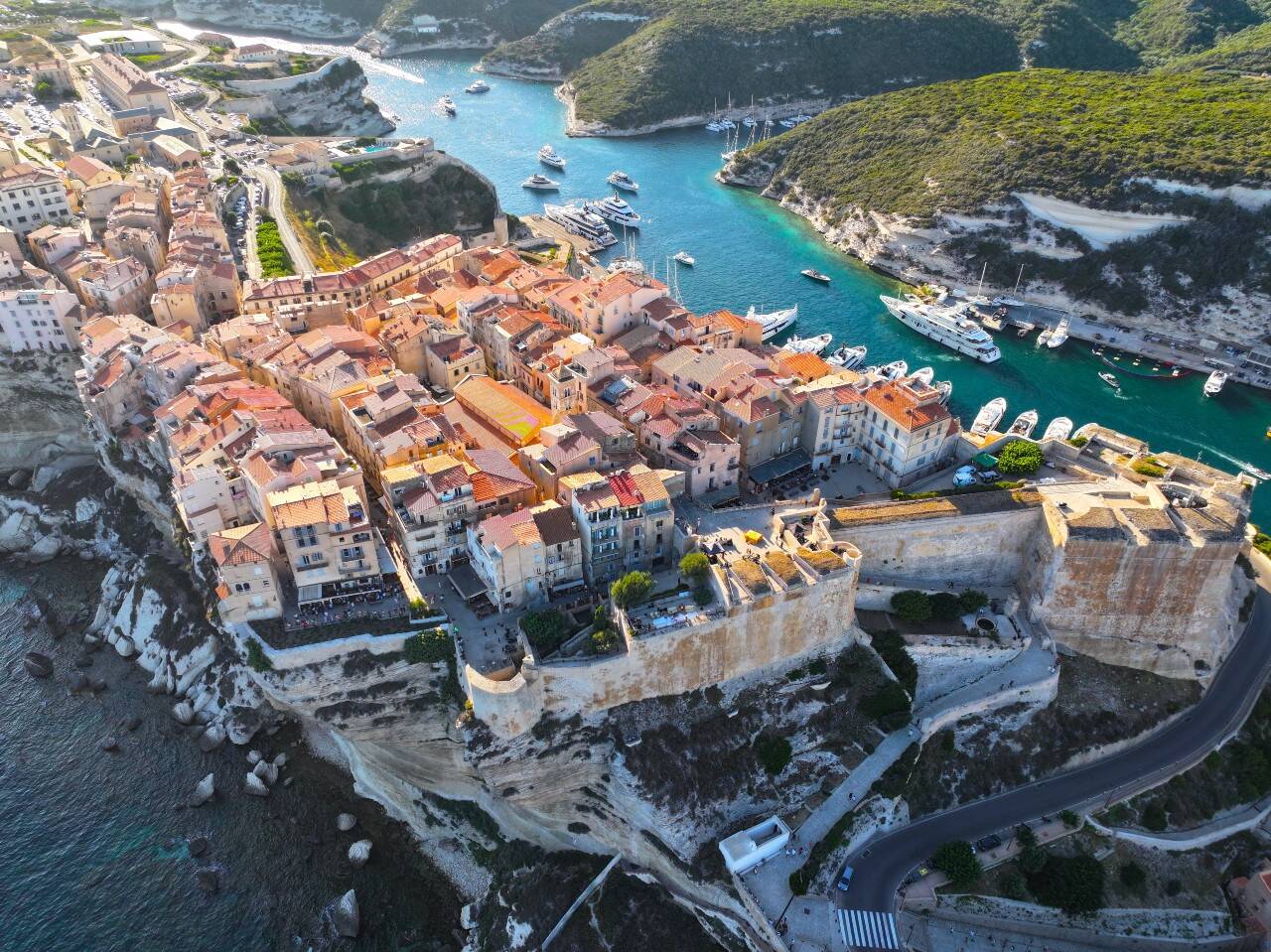
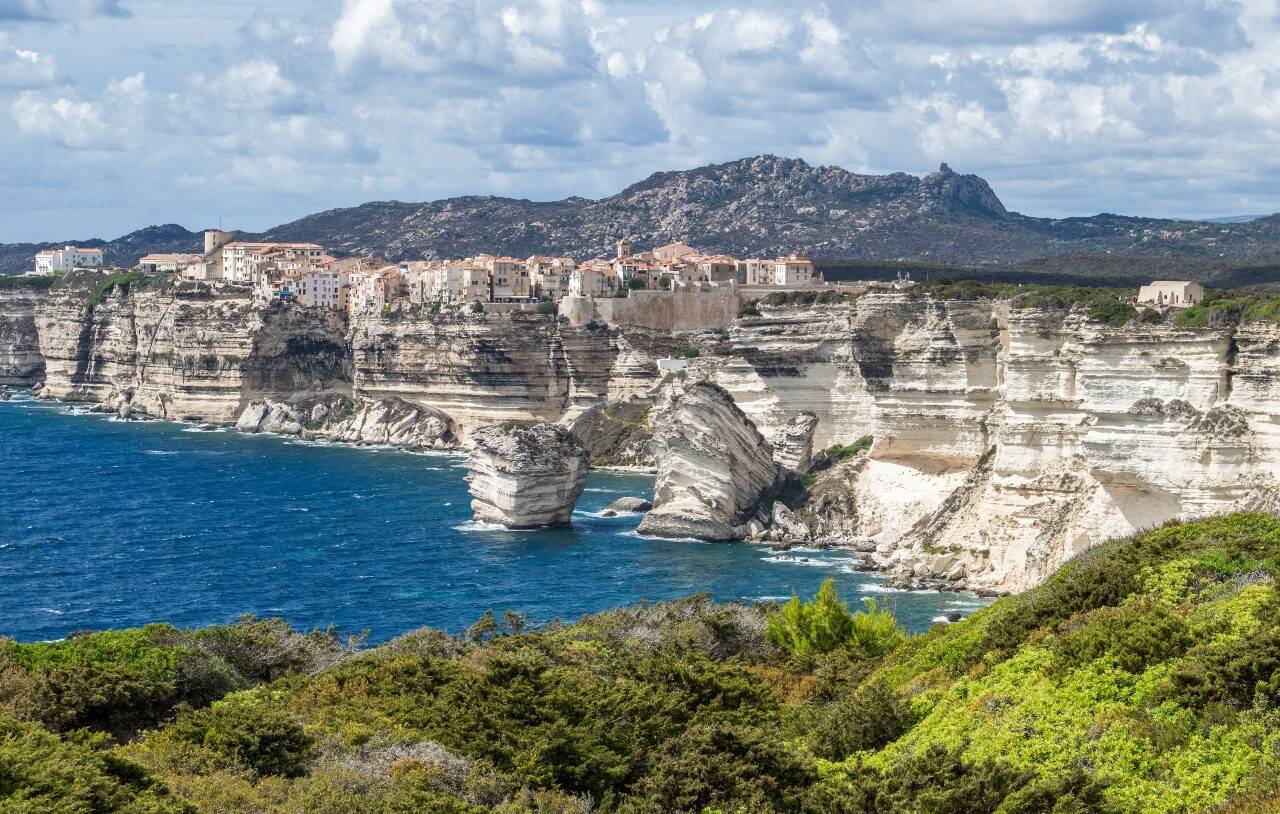
This is the highlight. Arriving in Bonifacio is an experience you’ll never forget. The town perches on the edge of steep white limestone cliffs, as if defying gravity. As you sail into the narrow fjord, you feel incredibly small.
I recommend arriving at the port before 4 p.m., otherwise you’ll get stuck in a boat traffic jam. Once you’ve docked, head to the Citadel and descend the King of Aragon’s Staircase (Escalier du Roy d’Aragon). It consists of 187 steps carved directly into the cliff at a staggering 45-degree angle. Legend has it that King Alfonso V’s soldiers carved them out in a single night in 1420. Historians will dryly inform you that it was Franciscan monks searching for a source of drinking water, but who cares about facts when the legend sounds so good? In any case, on the way up, I was huffing and puffing like a steam locomotive with asthma.
Day 4: The Natural Wonders of the Lavezzi Archipelago and Rondinara Bay
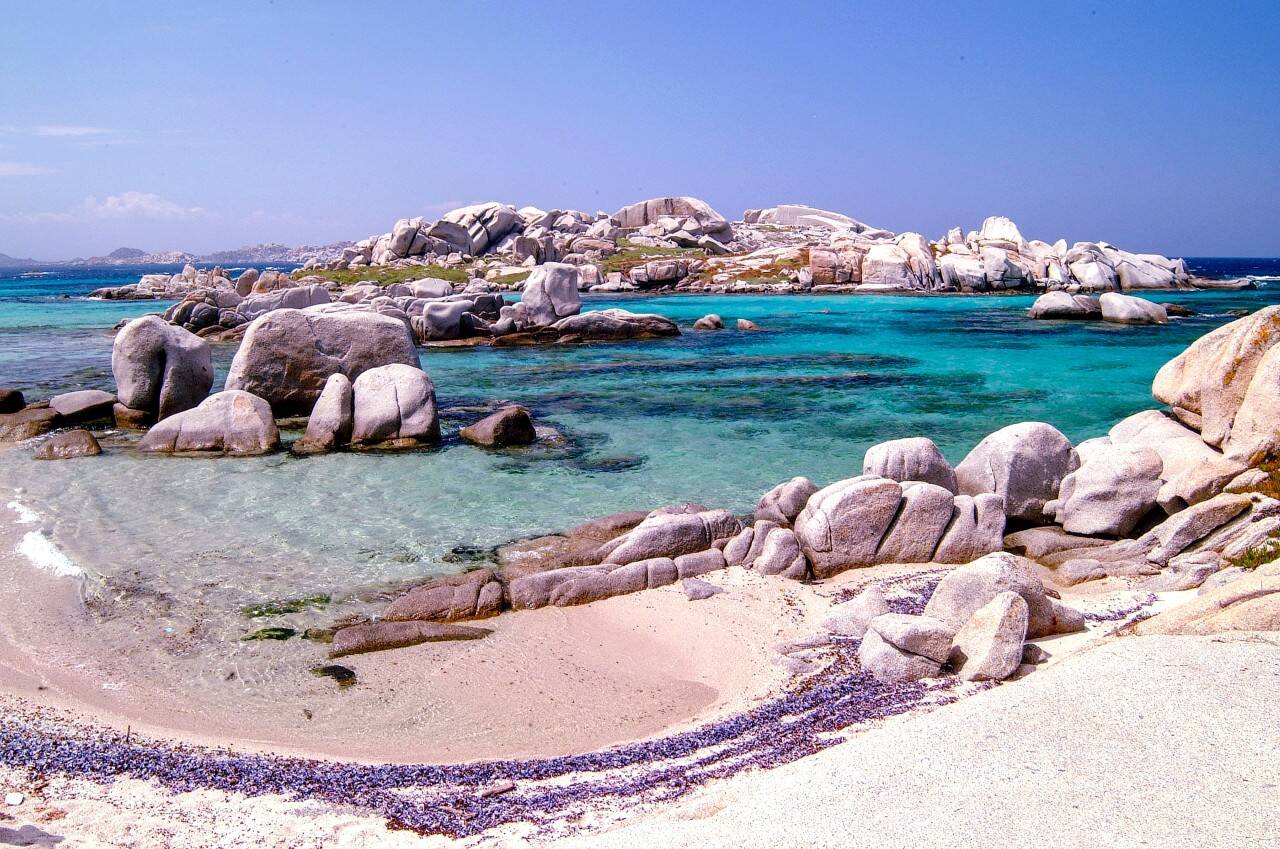
From Bonifacio, it’s just a short distance to the Lavezzi Islands. It feels a bit like Jurassic Park here. Huge granite boulders, turquoise water, and white sand. But this place also has a dark past. In 1855, the French frigate Sémillante, which was heading to the Crimean War, was wrecked here in a terrible storm. Nearly all 700 sailors and soldiers on board perished. Today, you’ll find two quiet cemeteries here that remind you of just how powerful the sea really is.
For the night, we’re heading to Rondinara Bay. It’s shaped like a perfect horseshoe, and the water is so clear you can see every pebble on the bottom. It’s a bit crowded, but the beauty is worth it.
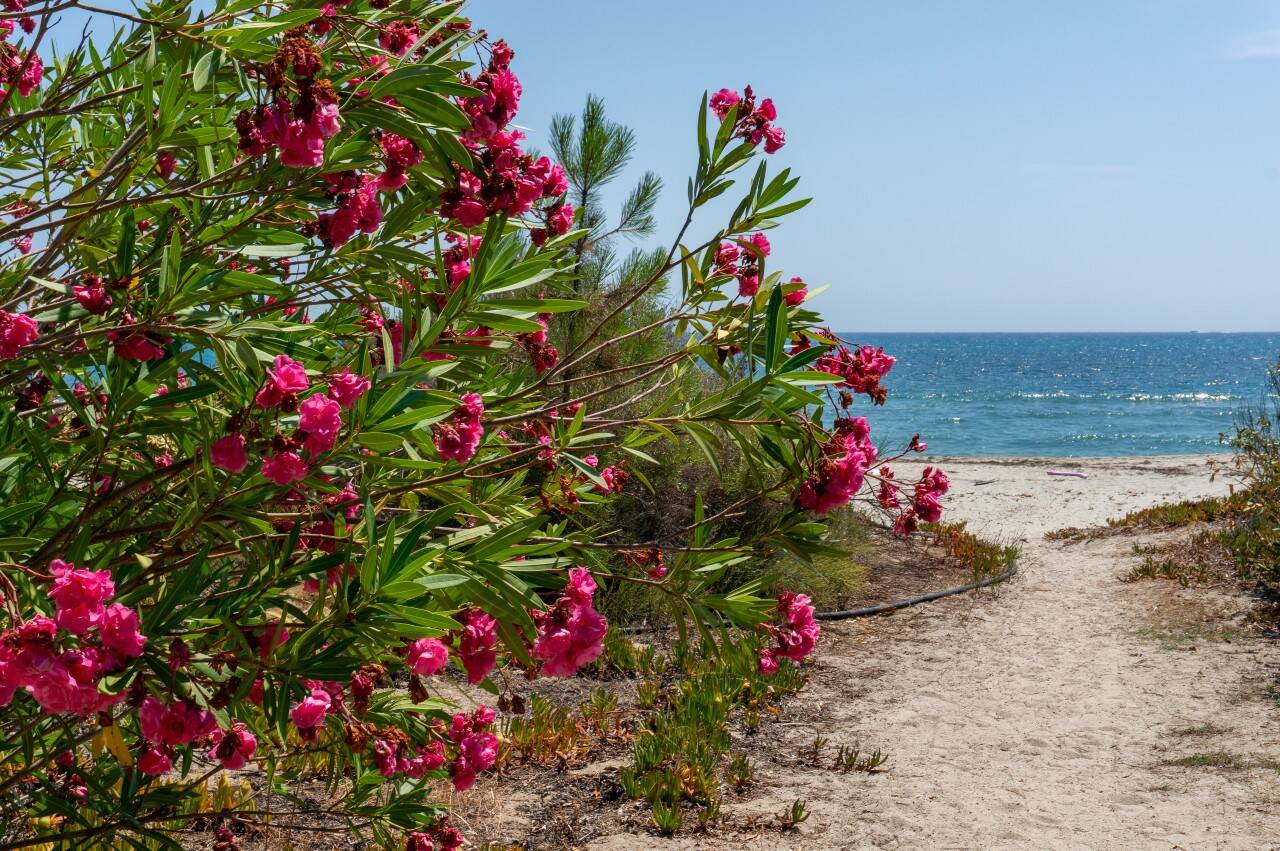
Day 5: The magical lion-shaped rock at Cala di Roccapina
We turn the helm and slowly head back northwest. We anchor at Cala di Roccapina. The cove is sheltered, and towering above it is a massive rock that looks like a reclining lion. I stand on deck, gazing at this stone sentinel, and marvel at how nature plays with us. You can take a hike to the nearby Genoese tower. The path is a bit treacherous, but the view of the cove more than makes up for it.
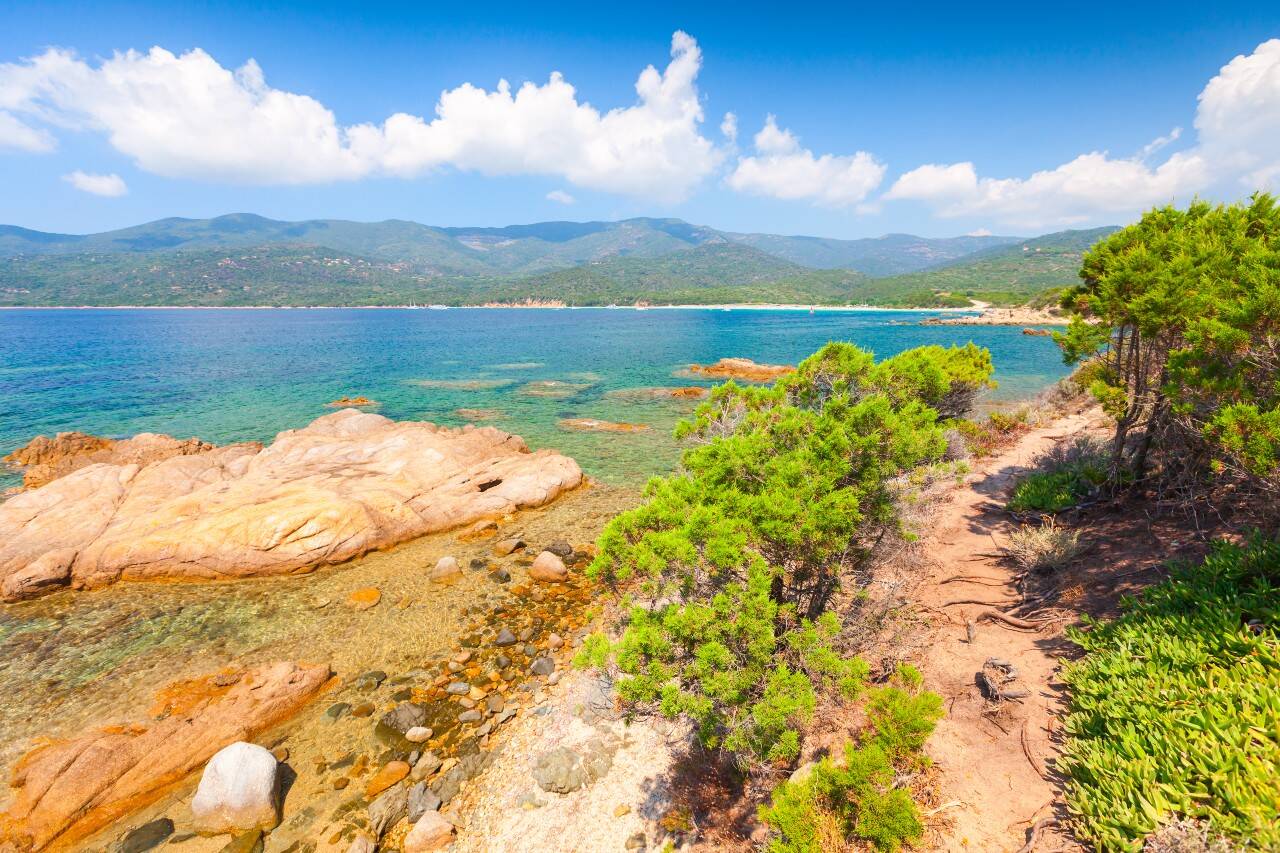
Day 6: Relaxing in the bays of Baie de Cupabia and Campomoro
The penultimate day is all about relaxation. We stop in Tizzano for lunch (Chez Antoine is a safe bet) and then head to Baie de Cupabia. It’s a huge bay with a sandy bottom where the anchor holds like a rock.
If the wind is blowing from the south, it’s better to take shelter in Campomoro. But the depth there is around 20 meters, so you have to let out a good length of chain. In the evening, we sit on deck, sipping local wine, and no one can believe that it’s already coming to an end.
Day 7: Final snorkeling session at Anse de Cacalu and return to Ajaccio
The last day. The last chance to dive into those crystal-clear waters. We stop at Anse de Cacalu. I put on my snorkel and fins and head out to explore the underwater world. On the hill above us stands another Genoese tower—Capo di Muru.
In the afternoon, there’s nothing left to do but hoist the sails and head back to Ajaccio. The wind is picking up. The sails fill out. The adrenaline is rising. It’s moments like these that make it all worth it.
Corsican Cuisine: What to Try After Disembarking
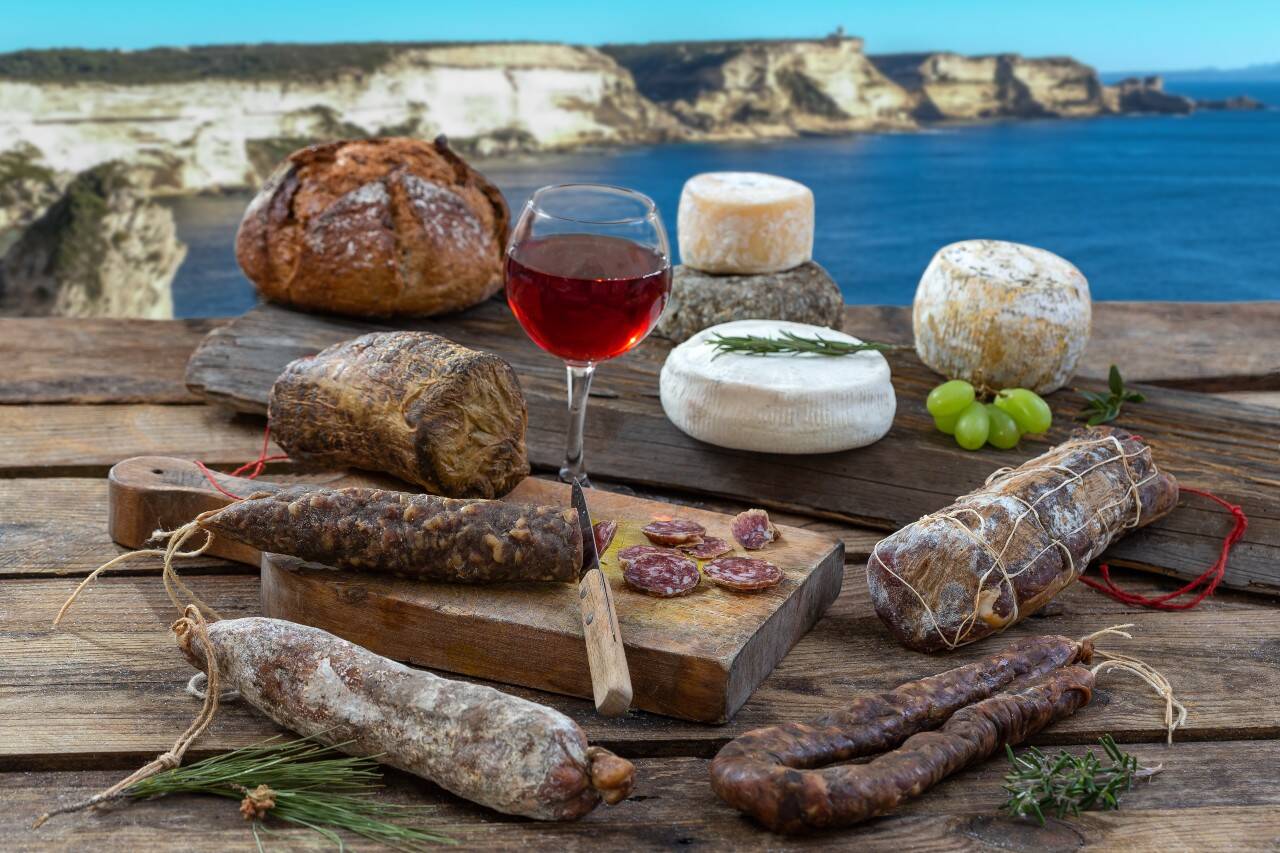
Do you think that just because you’re on an island, you’ll only be eating fish and seafood? Think again! Corsican cuisine is the food of the mountains. It’s hearty, meaty, and incredibly delicious.
What must you try? Definitely civet de sanglier, a hearty wild boar stew slowly braised in red wine with chestnuts and fennel. The wild boars here roam semi-wild and feast on acorns, so the meat has an incredible flavor. Another standout is figatella—a smoked sausage made from pork liver, often grilled. And the cheeses? The king is brocciu, a fresh cheese made from sheep’s or goat’s milk that goes into just about everything, from omelets to desserts.
Wash it all down with the local Pietra beer, which contains chestnut flour, or a great Corsican wine. After a dinner like that, you’ll sleep like a baby.
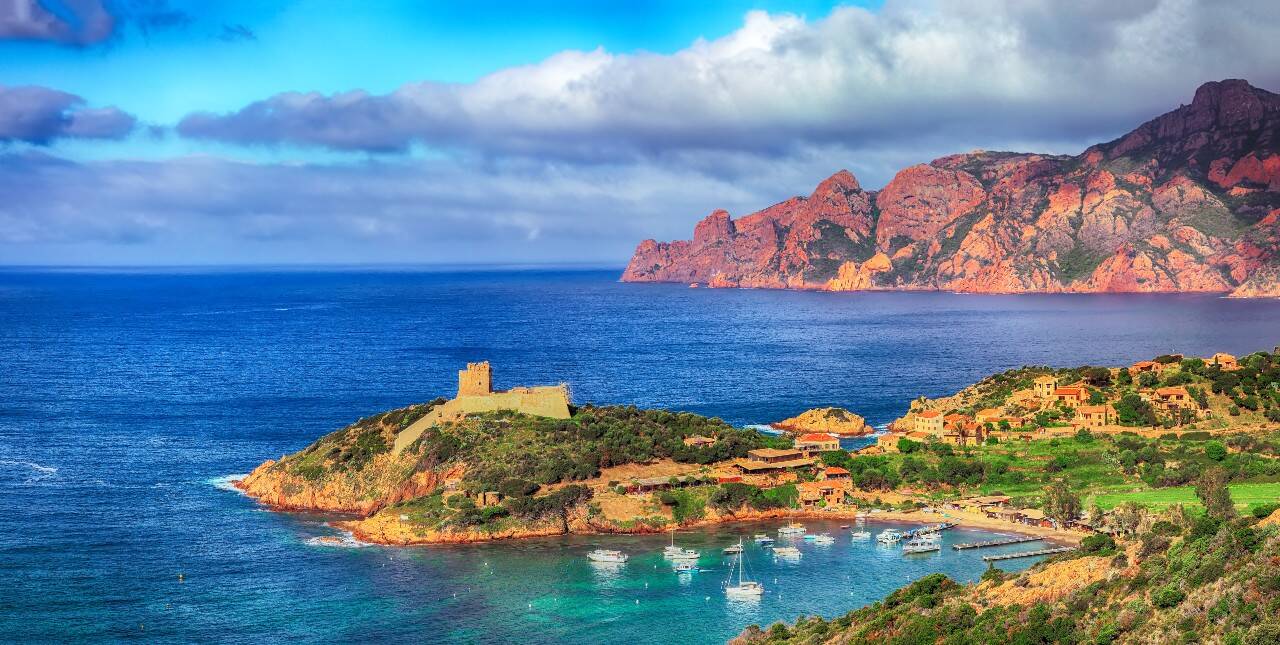
Why Corsica is an unforgettable sailing experience
Corsica isn’t just another destination on the map. It’s an experience that gets under your skin. Perhaps it’s in this wilderness that you’ll find the true peace you’ve been searching for in vain amid the daily hustle and bustle at home. It’s those moments when the salty wind ruffles your hair, the boat cuts through the waves, and you know that right here and now, you’re exactly where you’re supposed to be.
So, if you have even a hint of an adventurous spirit and don’t mind occasionally pushing your sailing skills to the limit, pack your bags and set off. Corsica awaits. And believe me, once you’ve had a taste of it, you’ll want to come back. I wish you fair winds and a trail of water beneath your keel!
Latest from Blog

The Art of Mooring a Boat: Common Mistakes and How to Avoid Them
Becoming an experienced captain isn’t just about knowing how to handle the sails or stay on course. The real test comes when you’re approaching a pier, a buoy, or a marina. Why? Because anchoring and mooring a boat is the discipline where things most often go wrong—and often result in damaged fenders, keels, and the crew’s nerves. Let’s take a look at how to moor like a pro and avoid the most common mistakes.
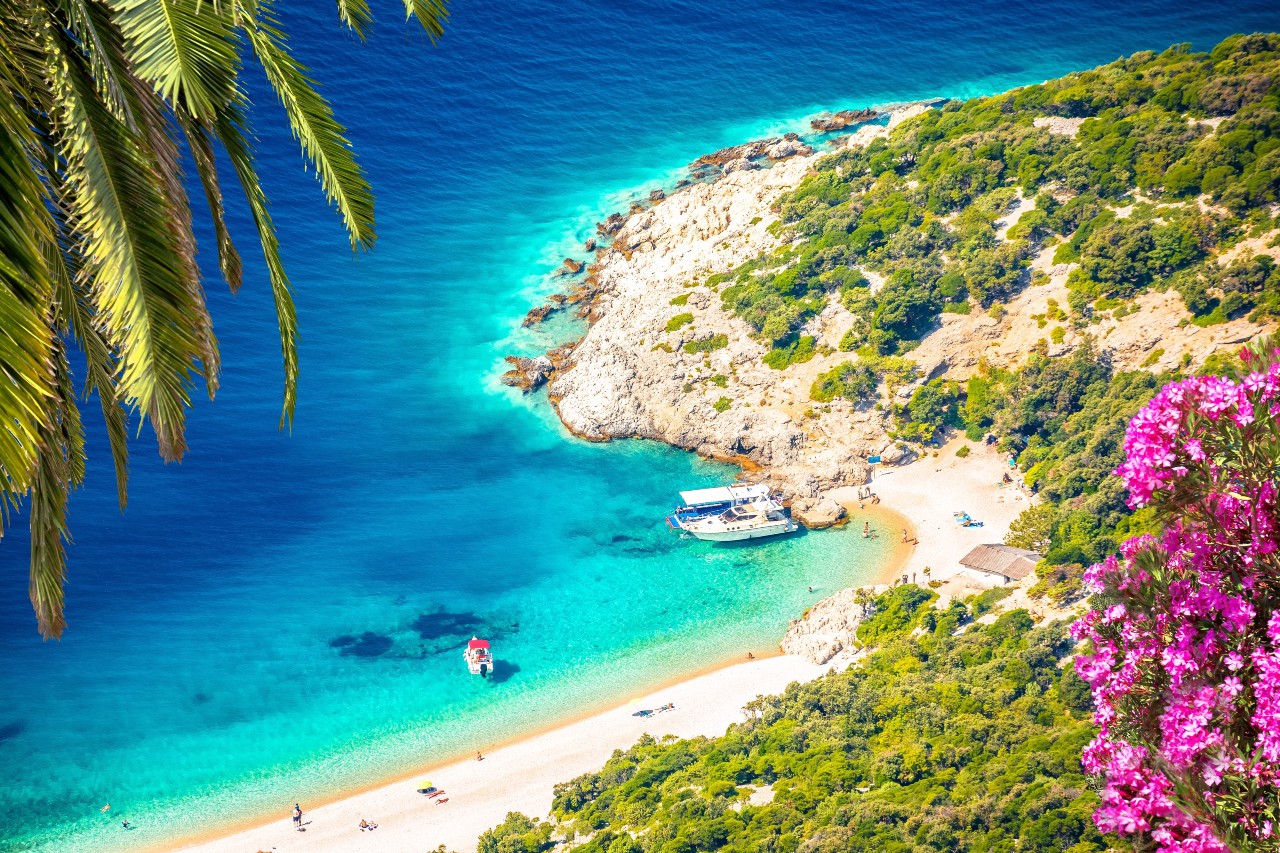
Peace, quiet, and the endless sea: The magic of a boat vacation
Do you remember that vacation you came back from more exhausted than when you left? The line for breakfast, the loud entertainers by the pool, and the never-ending battle for a lounge chair—which felt more like a morning supermarket clearance sale than a well-deserved break? I certainly do. And I’m far from the only one who said to myself, “Never again.”
Trends are changing. And they’re changing dramatically. Welcome to an era where simple silence is becoming the greatest luxury.
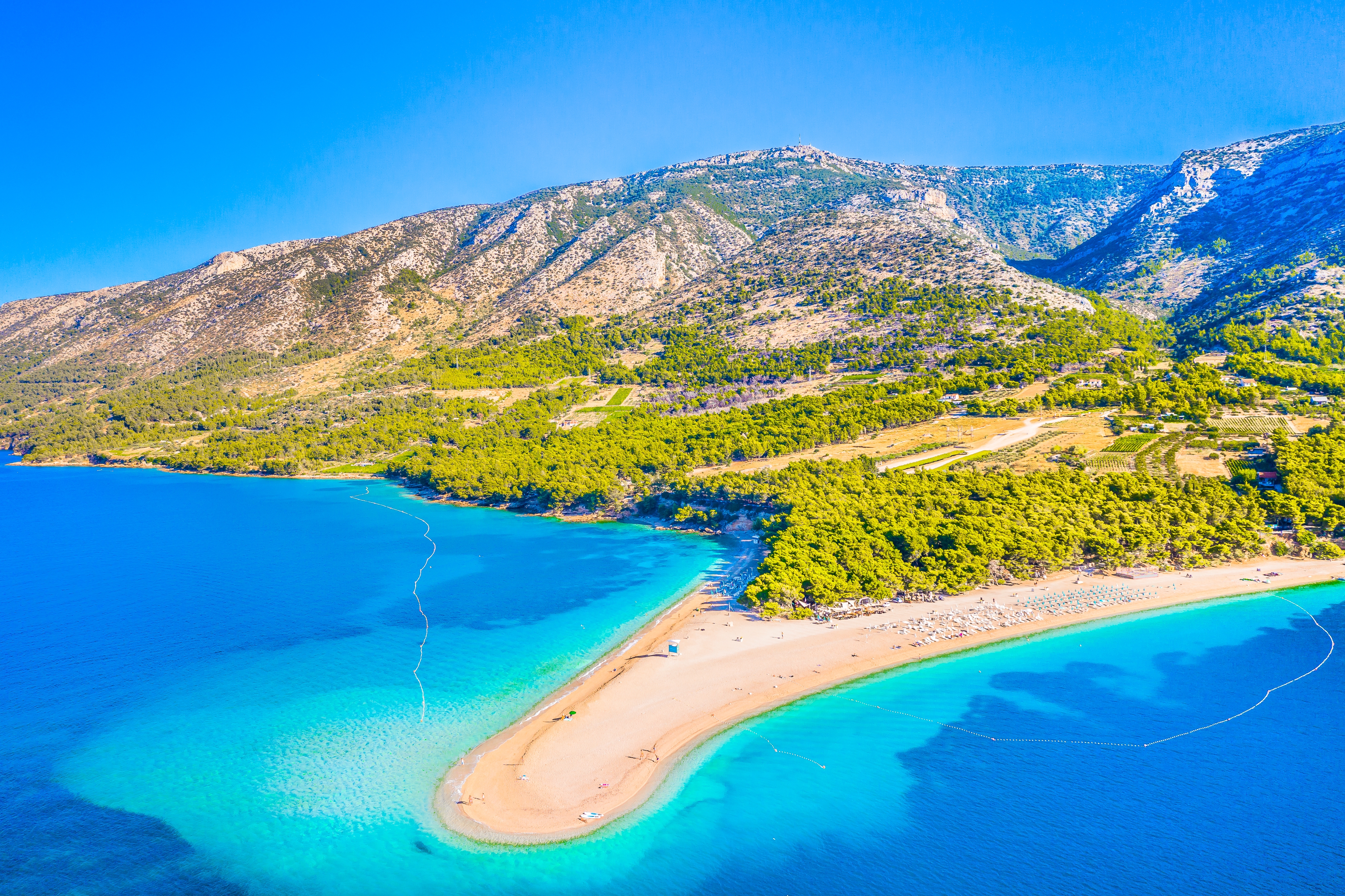
Where are the best places to swim on the Adriatic? A Guide for Sailors
Croatia is close by, with crystal-clear waters, a rugged coastline, and thousands of islands glistening on the horizon. And when you add to that the privacy of your own sailboat, which will take you exactly where you point on the map… well, tell me, can you resist? Let’s take a look together at the best places to swim in the Adriatic—and, most importantly, why yachting in Croatia is the smartest way to discover this country.

